534 2nd Street Pike, Southampton, PA 18966

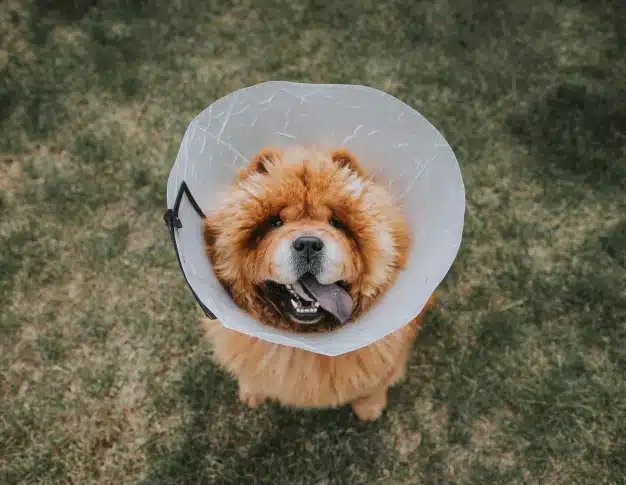

Surgical Care Built Around Your Dog's Safety
Hearing that your dog needs surgery is stressful, even when the procedure is routine. At Family Pet Clinic, our approach to dog surgical care is built to reduce that stress at every stage, not just get through the procedure. We walk you through what to expect before your dog goes in, keep a trained technician monitoring vitals throughout, and stay closely involved in recovery once the procedure is done. You're never left guessing what's happening or why.
Before Your Dog's Procedure
Every surgical service for dogs at our Southampton hospital starts with a conversation, not a scalpel. We sit down with you to go over the recommended procedure, answer questions, and make sure you understand what the surgery involves and why it's being recommended for your dog.
Before any anesthesia is administered, we run pre-surgical bloodwork to confirm your dog is a safe candidate and to determine the correct anesthesia dosing for their size, age, and health status. This step matters, since it's how we catch underlying issues, like organ function concerns, that could otherwise complicate anesthesia.
During Your Dog's Surgery
Once your dog is under anesthesia, a trained veterinary technician stays with them for the entire procedure, tracking heart rate, oxygen levels, blood pressure, and body temperature in real time. This dedicated monitoring is what allows our veterinarians to adjust course immediately if anything shifts during surgery, rather than finding out after the fact.
Pain management begins during the procedure itself, not after your dog wakes up. We use a combination of anesthesia and analgesics tailored to the specific surgery and your dog's individual needs, so they're as comfortable as possible from the very start.
Surgical Procedures We Perform for Dogs
Our medical team has extensive, hands-on experience across a full range of surgical services for dogs, including:
- Spay/Neuter: removal of reproductive organs to prevent disease and reduce territorial or aggressive behavior
- Soft-Tissue Surgery: covers spay/neuter, mass removal, laceration and trauma repair, hernia repair, bladder stone removal, and other procedures not involving bone
- Surgical Oncology: aimed at stopping or slowing cancer spread and improving quality of life
- Mass Removal: testing and removing abnormal lumps or bumps, whether cancerous or benign
- Gastrointestinal Procedures: addressing conditions causing vomiting, weight loss, diarrhea, bloating, or appetite loss
- Splenectomy: spleen removal, typically used as a last resort when other treatments haven't worked
- Foreign Body Removal: for objects swallowed that can't safely pass through the digestive tract
- C-Sections: performed to help female dogs deliver litters safely
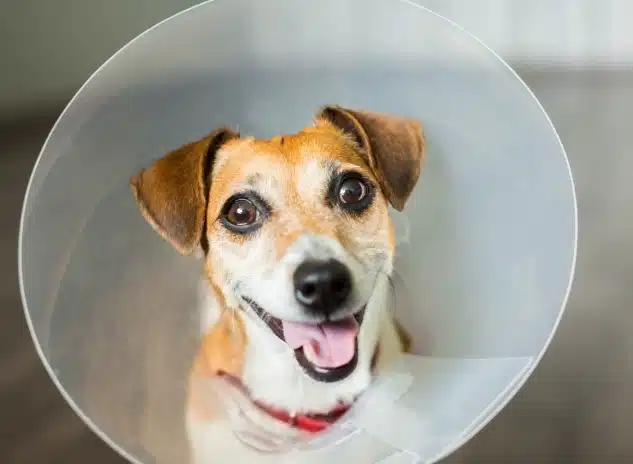
Spay and Neuter Surgery for Dogs
Spaying is performed on female dogs and involves removing the ovaries and uterus. Neutering is performed on male dogs and involves removing the testicles. Both procedures sound more intimidating than they actually are, and dogs typically recover quickly.
It is one of the most common and most beneficial procedures we perform, and our team follows the same safety standards for this dog surgery as we do for every other procedure:
- Pre-surgical bloodwork
- Properly calculated anesthesia dosing
- Pain management protocols
- Advanced monitoring equipment throughout the procedure
- Dedicated technician monitoring
- IV fluids as needed
Benefits of Spay and Neuter Surgery for Dogs
Beyond preventing unwanted litters, spay and neuter surgery can provide important health and behavioral benefits for your dog. These procedures may also support a safer, healthier life while helping reduce pet overpopulation.
- Reduces Certain Health Risks: Spaying eliminates the risk of uterine infections and can reduce the risk of mammary cancer. Neutering eliminates the risk of testicular cancer and may lower the risk of prostate problems.
- Prevents Unwanted Litters: Spay and neuter surgery prevents unplanned pregnancies and helps pet owners manage responsible breeding.
- May Improve Behavior: Neutering may reduce hormone-driven behaviors such as roaming, urine marking, mounting, and some forms of territorial behavior.
- Eliminates Heat Cycles: Spayed female dogs no longer experience heat cycles, including associated bleeding and behavioral changes.
- Helps Keep Dogs Safer: Reduced roaming can lower the likelihood of dogs becoming lost, getting into fights, or being injured while searching for a mate.
- Supports Animal Welfare: Spaying and neutering helps reduce the number of homeless dogs and can ease pressure on shelters and rescue organizations.
Recovery After Surgery
Recovery monitoring continues right up until your dog is discharged. Many dogs go home the same day as their procedure, while others, particularly after more involved surgeries, may need to stay overnight so we can watch the first stage of recovery closely.
Pain control doesn't stop at the hospital door. We send dogs home with a pain management plan suited to their procedure, along with clear post-operative care instructions covering activity restriction, incision care, feeding, and warning signs that would warrant a call to us. We'd rather answer a question early than have you worry at home.
Have Questions About Your Dog's Upcoming Surgery?
Every dog’s surgical needs are different, from pre-surgery preparation to recovery at home. Our Southampton veterinary team can provide guidance specific to your dog and explain the next steps based on their age, health, and procedure. To schedule a visit, (215) 357-2885
or book online. Visit us at 324 2nd Street Pike, Southampton, PA 18966.