534 2nd Street Pike, Southampton, PA 18966

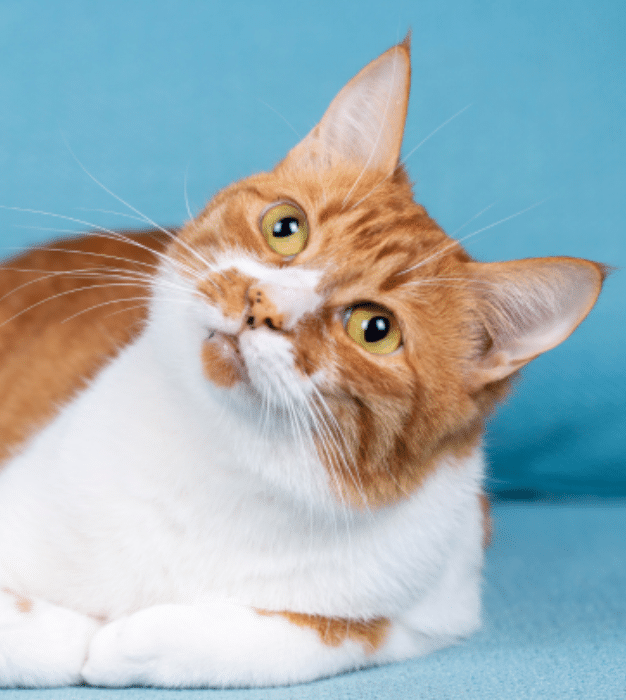

Preventive Care Designed Around Cats
Cats are remarkably good at concealing discomfort. A cat experiencing an early health problem may continue eating, grooming, and following familiar routines without showing obvious signs of illness. This natural tendency makes regular veterinary care particularly valuable for feline patients.
At Family Pet Clinic, preventive care for cats goes beyond responding to visible symptoms. We use routine visits to follow your cat’s health over time, identify changes that may otherwise go unnoticed, and discuss preventive measures based on their age, lifestyle, and environment.
Whether your cat lives exclusively indoors or regularly explores outside, their preventive care plan may include physical examinations, appropriate vaccinations, parasite protection, nutrition and weight monitoring, and permanent identification.
Routine Wellness Exams for Cats
A veterinary examination provides an opportunity to assess aspects of your cat’s health that may be difficult to evaluate at home. It also gives us a baseline for comparison as your cat grows and ages.
During a feline wellness visit, our veterinary team may assess:
- Heart and respiratory rate
- Eyes, ears, nose, and mouth
- Teeth and gum health
- Skin and coat condition
- Weight and body condition
- Muscles and joints
- Abdominal organs
- Overall physical condition
Adult cats should generally receive routine wellness examinations even when they appear healthy. Kittens, senior cats, and cats with existing medical concerns may benefit from more frequent monitoring.
We may also request a fresh stool sample to screen for intestinal parasites when appropriate.
Changes to Notice in Your Cats
Because cats often show illness differently from dogs and people, seemingly minor behavioral changes deserve attention. Changes in everyday habits can sometimes be the first indication that something is affecting your cat.
Tell our veterinary team if you have noticed your cat:
- Hiding more frequently
- Eating or drinking more or less than usual
- Grooming excessively or grooming less
- Losing or gaining weight
- Sleeping in unusual places
- Becoming less interested in jumping or climbing
- Urinating or defecating outside the litter box
- Becoming unusually vocal
- Avoiding interaction
- Showing changes in activity or play
These behaviors do not necessarily mean your cat is sick, but discussing them during an examination can help us determine whether further evaluation is warranted.
Feline Vaccinations Based on Individual Risk
Core feline vaccines provide protection against diseases that can pose significant health risks.
Core Vaccines for Cats
- FVRCP: This combination vaccine provides protection against feline viral rhinotracheitis, calicivirus, and panleukopenia.
- Rabies: Rabies is a fatal viral disease that can affect animals and people. Vaccination requirements are also governed by applicable Pennsylvania law.
Lifestyle-Based Vaccinations
Some cats may require additional protection depending on their risk of exposure. For example, cats that spend time outdoors or have contact with cats of unknown health status may have different needs than cats living alone indoors. They may require the FeLV/FIV vaccine.
Our veterinarians will discuss which vaccinations are appropriate and how frequently they should be administered.

Year-Round Parasite Protection for Cats
Living indoors can reduce certain exposures, but it does not eliminate the possibility of parasites. Fleas can enter homes on people or other animals, mosquitoes can get indoors, and intestinal parasites may be encountered in several ways.
Our approach to cat preventive care considers your cat’s actual risk rather than assuming indoor cats cannot encounter parasites.
Keeping Your Cat at a Healthy Weight
Weight changes can be difficult to recognize when you see your cat every day. Even relatively small gains can be meaningful because of a cat’s smaller body size.
During wellness visits, we evaluate both weight and body condition rather than relying on the number on the scale alone.
Weight management for cats should be approached carefully. Significant calorie restriction or rapid weight loss can be dangerous, so dietary changes should be made under veterinary guidance.
Helping Indoor Cats Stay Active
Physical activity and mental stimulation are important parts of feline wellness. Indoor cats may have fewer natural opportunities to climb, chase, hunt, and explore, making environmental enrichment particularly useful.
Simple changes can encourage healthy activity. Interactive toys, climbing structures, scratching surfaces, puzzle feeders, and short play sessions can provide both physical movement and mental engagement.
Our team can help you develop practical strategies based on your cat’s age, mobility, personality, and current body condition.
Microchipping Provides Permanent Identification
Even cats that normally stay indoors can slip through an open door, escape during travel, or become separated from their family unexpectedly.
A microchip provides permanent identification that cannot fall off like a collar or identification tag. The chip contains a unique number that can be read using a scanner commonly available at veterinary hospitals and animal shelters.
Once your cat is microchipped, registering the chip and keeping your phone number and address current are essential. The chip itself does not contain GPS technology, but accurate registration information allows an organization that finds your cat to contact you.
Preventive Care Changes as Your Cat Ages
A kitten, healthy adult cat, and senior cat do not have identical healthcare needs. Preventive recommendations should evolve throughout your cat’s life.
Kittens require closer monitoring as they grow and complete their initial vaccination series. Adult cats benefit from routine examinations, appropriate vaccination, parasite prevention, dental assessment, and weight monitoring. As cats enter their senior years, closer attention may be given to mobility, kidney function, thyroid health, weight changes, and other age-related concerns.
Our goal is to adjust your cat’s preventive plan as their health and lifestyle change.
Keep Up With the Changes You Can’t Always See
Preventive care gives us an opportunity to look beyond your cat’s outward appearance and follow their health from one life stage to the next. By tracking weight, physical findings, vaccination needs, parasite risks, and behavioral changes, we can make recommendations based on what your cat needs now.
Schedule a cat preventive care visit with Family Pet Clinic in Southampton to establish or update your cat’s ongoing wellness plan.