534 2nd Street Pike, Southampton, PA 18966

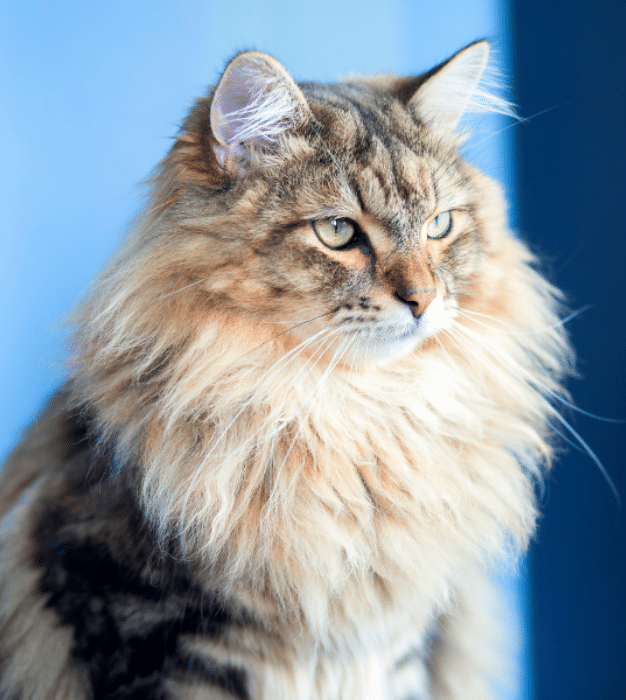

Thoughtful Veterinary Care for Your Cat’s Golden Years
As cats grow older, their health needs change, often in ways that are easy to miss. Subtle changes in appetite, mobility, grooming, weight, or behavior may be early signs of an underlying condition. At Family Pet Clinic, we provide senior cat care in Southampton, PA, focused on monitoring these changes, maintaining comfort, and identifying health concerns as early as possible.
Our approach to aging cat care considers your cat’s medical history, lifestyle, mobility, nutrition, and behavior. With regular veterinary evaluations and preventive care, we can help you make informed decisions about your senior cat’s changing needs.
When Is a Cat Considered a Senior?
Cats are generally considered seniors at around 10 years of age, although aging varies from one cat to another. Some cats remain active well into their later years, while others develop age-related health concerns earlier.
Getting older does not automatically mean that illness is inevitable. However, senior cats have an increased risk of conditions affecting the kidneys, thyroid, joints, teeth, heart, and other organs. Routine veterinary care becomes increasingly important as your cat ages.
Why Are Regular Exams Important for Senior Cats?
Cats naturally conceal pain and illness. A senior cat may have a developing health problem without showing obvious symptoms until the condition has progressed.
Regular senior cat care appointments allow our veterinary team to establish health trends and identify changes that may require further evaluation. During an examination, we may assess your cat’s:
- Weight and body condition
- Heart and lungs
- Teeth and gums
- Eyes and ears
- Skin and coat
- Abdomen
- Joints and mobility
- Muscle condition
- Hydration
- Behavior and cognitive changes
The frequency of veterinary visits depends on your cat’s age and medical history. Some senior cats may benefit from more frequent evaluations than younger adult cats.
Senior Cat Wellness Testing and Early Detection
A physical examination provides valuable information, but some age-related diseases cannot be detected through an exam alone. Bloodwork, urine testing, and other diagnostic tests may help identify internal changes before obvious symptoms develop.
Depending on your cat’s needs, senior wellness testing may help evaluate:
- Kidney function
- Liver health
- Blood glucose levels
- Thyroid function
- Red and white blood cell counts
- Urinary health
- Electrolyte levels
Establishing baseline results also allows us to compare future tests and recognize changes over time.
Common Health Concerns in Aging Cats
Older cats are more likely to develop age-related health conditions. Recognizing subtle changes early can help us address concerns and support your cat’s comfort and quality of life.
- Arthritis and Mobility Changes: Arthritis may cause your cat to avoid jumping, move more slowly, sleep more, or have difficulty grooming due to joint discomfort.
- Kidney Disease: Chronic kidney disease may lead to increased thirst and urination, reduced appetite, vomiting, or unexplained weight loss.
- Hyperthyroidism: An overactive thyroid may cause weight loss despite an increased appetite, restlessness, increased thirst, vomiting, or changes in coat quality.
- Dental Disease: Dental problems may cause bad breath, drooling, difficulty chewing, reduced appetite, or reluctance to eat harder foods.
Regular senior cat care and appropriate diagnostic testing can help identify these conditions early and guide treatment based on your cat’s individual needs.
Nutrition and Weight Management for Senior Cats
Aging can affect metabolism, muscle mass, digestion, and nutritional requirements. Some senior cats gain excess weight as activity decreases, while others lose weight because of underlying illness or age-related muscle loss.
During wellness appointments, we monitor your cat’s weight and body condition and can recommend dietary adjustments when appropriate. Nutrition recommendations may consider your cat’s age, activity level, medical conditions, and current body weight.
Unexpected weight loss or gain should always be discussed with your veterinarian.
Helping Your Aging Cat Stay Comfortable
Every senior cat ages differently. Some need only routine monitoring and preventive care, while others require ongoing management of chronic conditions. Our goal is to adapt your cat’s care as their needs change rather than treating aging as a single condition.
At Family Pet Clinic, our approach to senior cat care includes regular health assessments, diagnostic screening when appropriate, nutrition guidance, pain and mobility management, and ongoing communication with your family.
For comprehensive senior cat care in Southampton, PA, schedule an appointment with Family Pet Clinic. Our veterinary team can develop an aging cat care plan focused on your cat’s health, comfort, mobility, and quality of life.