534 2nd Street Pike, Southampton, PA 18966


Healthy Start: Wellness Exam & Key Services
Welcoming a new pet is an exciting adventure! That's why it's essential to schedule a wellness exam as soon as possible, ensuring your pet embarks on a path to a long, happy, and healthy life. Many pets may experience fear and anxiety when visiting the veterinarian, and that's perfectly normal! The sooner you bring in your new companion, the more comfortable they will likely become, reducing stress. Whether you have a new puppy or kitten, we highly recommend two key services: the spay/neuter procedure and microchipping.
Puppy Wellness Exams
Puppy wellness exams should be scheduled at 8, 12, and 16 weeks. These visits allow us to monitor your puppy’s growth and ensure they are on track for a long, happy, and healthy life.
Puppy wellness visits typically include a comprehensive physical examination, a fecal exam, and the administration of essential core and non-core vaccinations.
Puppy Vaccinations
Vaccinations are vital in protecting your puppy against life-threatening illnesses, especially since their immune systems are still developing. Until your puppy is fully vaccinated, it’s crucial to avoid areas with other dogs, such as dog parks, kennels, and grooming facilities.
Core vaccines are strongly recommended for all dogs and include Distemper, Hepatitis, Parainfluenza, Parvovirus, Rabies, and Leptospirosis. Non-core vaccines, like Bordetella (kennel cough) and Canine Influenza, are advised based on your pet’s lifestyle, risk of exposure, and health condition.
For more information on keeping your pets safe with vaccines, click here.
Kitten Wellness Exams
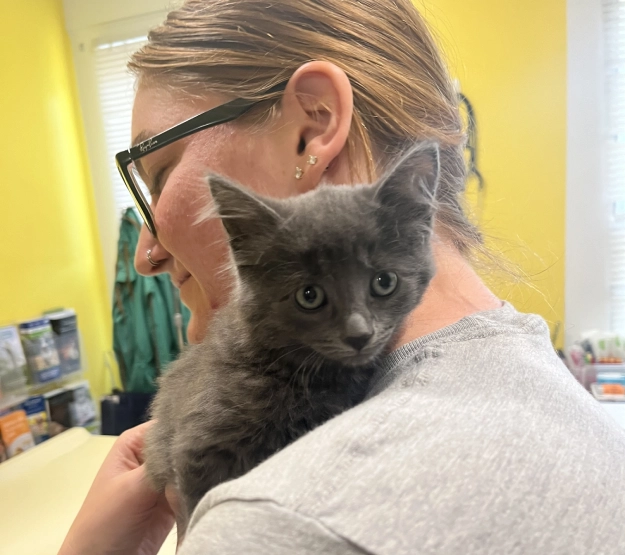
Kitten exams are generally scheduled at 8, 12, and 16 weeks. These timely appointments allow us to monitor your kitten’s growth, prevent illness, and detect parasites early.
A kitten wellness exam typically includes a physical examination, a fecal exam, vaccine recommendations, and testing for common health conditions in kittens.
Kitten Vaccinations
Before your kitten is fully vaccinated, it's advised to keep them away from other cats or pets.
Core vaccines are recommended for all cats, regardless of their living conditions or health. These include Distemper, Rhinotracheitis, Calicivirus, and Rabies. Non-core vaccines are suggested based on lifestyle, health conditions, and exposure risk.
To learn more about vaccines and how they can keep your pet safe, click here.
Multi-Cat Households
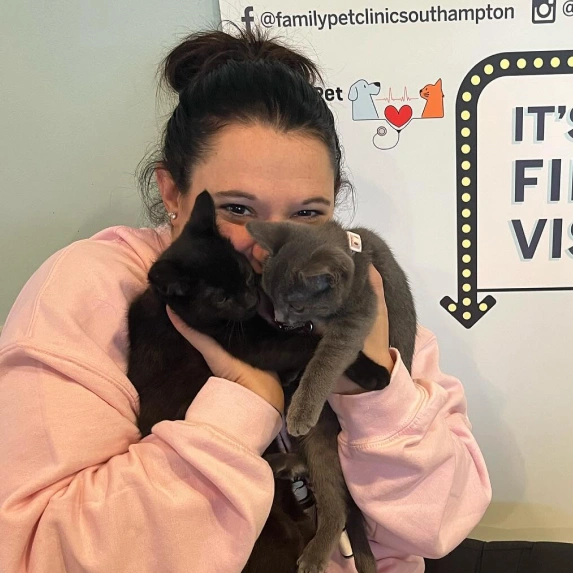
If you have other cats in your home, we recommend testing your new kitten for Feline Leukemia Virus (FeLV) and Feline Immunodeficiency Virus (FIV) before they meet your existing cats.
Since cats are naturally territorial, we advise gradually introducing your new kitten to your other cats. Start by keeping them in separate rooms for at least a week, allowing them to become accustomed to each other’s scent through the door. Then, you can place the kitten in a carrier for your other cats to see. When appropriate, let them interact under supervision.
Please reach out if you have any questions or need advice on how to introduce your new kitten to your existing cats.
Spay/Neuter Procedure
Having your pet spayed or neutered provides numerous health and behavioral benefits. At Family Pet Clinic, our dedicated medical team highly recommends this procedure for all pets.
Your pet's safety is our top priority. Our experienced team is prepared for this important procedure, utilizing practices such as:
- Pre-surgical bloodwork
- Properly dosed anesthesia
- Pain management
- Advanced surgical monitoring equipment
- Technician monitoring
- IV fluids
What is Spay/Neuter Procedure?
Spaying involves the removal of the ovaries and uterus for female pets, while neutering (castration) entails the removal of the testicles for male pets. Don’t worry; it sounds more daunting than it is!
Benefits of Spay/Neuter Procedure
Spaying and neutering offer numerous health benefits for your pet. This procedure can help prevent serious health issues, undesirable behaviors, and unwanted litters.
Spaying female pets can prevent:
Spaying female pets prevent:
- The urge to roam
- Aggressive behaviors
- Messy heat cycles
- Urine marking
- Uterine and mammary issues, including cancer and infections
- Unwanted litters
- Howling
Neutering male pets prevents:
- The urge to roam
- Aggressive behaviors
- Urine marking
- Testicular cancer and prostate disease
- Unwanted litters
Moreover, spaying/neutering contributes positively to the overall pet population. By preventing litters, it creates more opportunities for pets in shelters to be adopted!
Common Myths
- My pet will gain weight. This is a myth. Weight gain is part of growth, and the spay/neuter procedure does not affect this process.
- Female pets need to complete a heat cycle before being spayed. There is no clinical evidence to support this myth in most cases; delaying spaying can increase the risk of mammary masses.
- Male pets’ personalities change after being neutered. Your pet's personality will remain the same, with reduced aggression and less urine marking.
Microchipping
At Family Pet Clinic, we understand that accidents can happen. Each year, one in three pets goes missing, gets lost, or is stolen—equating to about ten million pets annually!
To prepare for this, we strongly recommend reliable pet identification. Microchipping provides a modern solution to identifying lost or stolen pets, maximizing the chances of their safe return. Microchips can be inserted at any age, so the sooner, the better!
The microchip insertion process is quick, easy, and painless. This procedure can be done alongside other services, like dental cleanings or routine wellness visits. Once your pet’s microchip is in place, you can upload your contact information to the national online database. You can easily update your information if you move or change your phone number.
Each microchip has a unique serial number. When a lost pet is brought to a shelter or clinic, a special scanner retrieves the contact information, allowing for the rightful owner to be contacted.
In addition to microchips, our veterinary team advises all pet owners to use collars and ID tags. While these methods may not be foolproof, they provide an additional layer of security for your pet if they go missing.