534 2nd Street Pike, Southampton, PA 18966

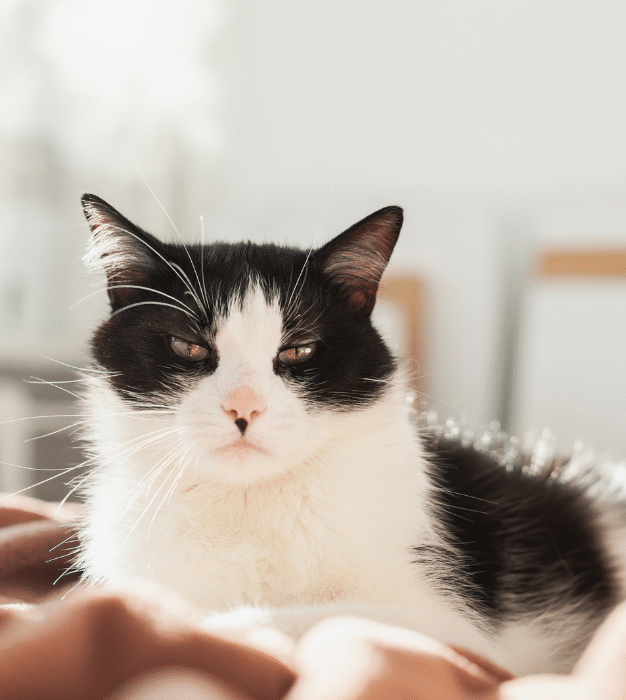

Gentle, Non-Invasive Laser Therapy to Help Your Cat Feel Better
Cats often hide pain, stiffness, and discomfort, making subtle changes in movement or behavior especially important. At Family Pet Clinic, we provide cat laser therapy in Southampton, PA, as a gentle, non-invasive option to help manage pain, reduce inflammation, and support tissue healing.
Laser therapy may be incorporated into your cat’s treatment plan for arthritis, injuries, wounds, inflammation, or recovery after certain surgical procedures. Each session is planned around your cat’s condition, comfort, and individual needs.
How Does Laser Therapy for Cats Work?
Laser therapy for cat care uses focused light energy to stimulate natural processes within the body. During treatment, a handheld device is positioned over the affected area, allowing light energy to reach the targeted tissues.
The cells absorb this energy, which can help improve local circulation, support cellular activity, reduce inflammation, and promote tissue repair. Because the treatment does not involve injections or incisions, most cats tolerate sessions well.
Treatment sessions are typically brief. Our veterinary team also takes steps to keep the experience calm and minimize unnecessary stress throughout your cat’s visit.
Situations When Your Cat May Benefit From Laser Therapy
Cats are very good at concealing discomfort. Instead of crying or showing obvious pain, they may become less active, stop jumping onto familiar surfaces, sleep more, or change their grooming habits.
Your veterinarian may consider cat laser therapy when your cat has:
- Arthritis or age-related joint stiffness
- Soft tissue injuries
- Muscle soreness or inflammation
- Wounds that need additional healing support
- Chronic skin inflammation
- Oral inflammation associated with conditions such as stomatitis
- Swelling or discomfort following certain surgical procedures
Laser therapy is not intended to replace every other form of veterinary care. Depending on the diagnosis, it may be used alongside medication, environmental modifications, joint support, surgery, or other treatments.
Laser Therapy for Cats With Arthritis
Arthritis can be difficult to recognize in cats because they do not always limp when their joints hurt. You may instead notice that your cat hesitates before jumping, avoids stairs, sleeps in different locations, or has trouble grooming certain areas of the body.
For cats with arthritis, laser therapy may help reduce inflammation and improve comfort in affected joints. Improving comfort can make everyday activities, such as walking, climbing, grooming, and using the litter box, easier.
For long-term joint problems, we may combine laser therapy with other approaches based on your cat’s age, health, mobility, and degree of discomfort.

Supporting Wound and Post-Surgical Healing
After an injury or surgical procedure, controlling inflammation and supporting tissue repair are important parts of recovery. Laser therapy may be recommended for certain wounds or surgical sites to promote circulation and help manage localized swelling and discomfort.
Because every wound and surgical procedure is different, our veterinary team will determine whether laser treatment is appropriate and how it should fit into your cat’s recovery plan.
What Happens During a Cat Laser Therapy Session?
Before beginning treatment, our veterinary team evaluates your cat and identifies the areas that need attention. The laser settings and treatment duration are selected according to the condition being addressed.
During the session, a handheld laser device is gently moved over or positioned near the treatment area. Your cat remains awake, and treatment is generally quiet and non-invasive.
The number and frequency of sessions depend on the condition. An acute injury may require a different schedule than chronic arthritis. We will discuss the recommended treatment frequency based on your cat’s response and ongoing needs.
Gentle Support for Your Cat’s Comfort and Recovery
Pain or inflammation can gradually change how your cat moves, rests, grooms, and interacts with your family. Identifying the underlying problem allows us to recommend care based on your cat’s specific needs.
At Family Pet Clinic, we provide cat laser therapy in Southampton, PA, for appropriate feline conditions, including joint discomfort, inflammation, wounds, and post-surgical recovery. If you have noticed changes in your cat’s mobility or behavior, schedule an appointment to have your cat evaluated and discuss whether laser therapy may be part of their treatment plan.