534 2nd Street Pike, Southampton, PA 18966


Thoughtful Surgical Care for Feline Patients
Learning that your cat needs surgery can bring plenty of questions. You may wonder how they will handle anesthesia, whether they will be comfortable, and what their recovery will look like once they return home.
At Family Pet Clinic, cat surgical care begins well before the procedure itself. We evaluate your cat’s current health, review their medical history, and explain the recommended procedure so you understand why surgery is being considered and what to expect.
Cats also have unique behavioral and medical needs. Our team takes these differences into account when preparing feline patients for surgery, monitoring them during the procedure, and supporting them through recovery.
Common Surgical Procedures We Perform for Cats
Our veterinary team performs a range of routine and soft tissue procedures based on each cat’s medical needs. Before recommending surgery, we evaluate your cat and explain the purpose of the procedure, anesthesia considerations, and expected recovery.
- Spay and Neuter Surgery: Prevents unwanted litters and may reduce hormone-related behaviors such as roaming, spraying, and persistent vocalization.
- Mass and Tumor Removal: Certain skin or soft tissue growths may require surgical removal for treatment or further evaluation.
- Laceration and Wound Repair: Deeper wounds and injuries may require surgical cleaning and closure to promote proper healing and reduce complications.
- Bladder Stone Removal: Some urinary stones require surgical removal when they cannot be managed through other treatment methods or are contributing to serious urinary problems.
For every procedure, anesthesia and monitoring are planned according to your cat’s age, health status, medical history, and specific surgical needs.
Preparing Your Cat for Surgery
Every surgical service for cats begins with preparation. Before anesthesia, we perform a physical examination and review relevant information about your cat’s health.
Be sure to tell us about any medications, supplements, previous reactions to anesthesia, or changes you have recently noticed at home.
Depending on your cat’s age, medical history, and procedure, pre-anesthetic testing may also be recommended. Bloodwork can provide information about blood cells and organ function that helps our veterinarians plan anesthesia and identify potential concerns before surgery.
You will receive specific instructions regarding food, water, medications, and arrival time. Follow these directions carefully, as they are provided with your cat’s procedure and safety in mind.
Anesthesia for Cat Surgery
General anesthesia allows your cat to remain unconscious and still during surgery while preventing awareness of the procedure. Because every feline patient is different, anesthesia planning considers factors such as age, weight, health history, examination findings, and the type of surgery being performed.
Our veterinary team monitors your cat throughout the procedure and pays close attention to important physiological parameters while they are under anesthesia. After surgery, monitoring continues as your cat wakes and progresses through the immediate recovery period.
Keeping Your Cat Comfortable During Surgical Care
Pain management is an important component of cat surgery. Cats may not show discomfort in obvious ways, and signs of pain can be subtle.
Depending on the procedure, pain management may begin before or during surgery and continue through recovery. Our veterinarians determine appropriate medications and supportive care based on the type of procedure and your cat’s individual needs.
At home, signs that may indicate discomfort include hiding, reduced appetite, unusual vocalization, reluctance to move, changes in grooming, or behaving differently when touched. If you are unsure whether your cat is comfortable after surgery, contact our veterinary team rather than adjusting medications yourself.
What Happens After Your Cat’s Surgery?
Once the procedure is complete, your cat is moved into recovery and observed as the effects of anesthesia wear off. It is normal for some cats to be sleepy or quieter than usual after returning home.
Before discharge, we will provide instructions specific to your cat and their procedure. These may cover:
- Prescribed medications
- Feeding after anesthesia
- Activity restrictions
- Incision monitoring
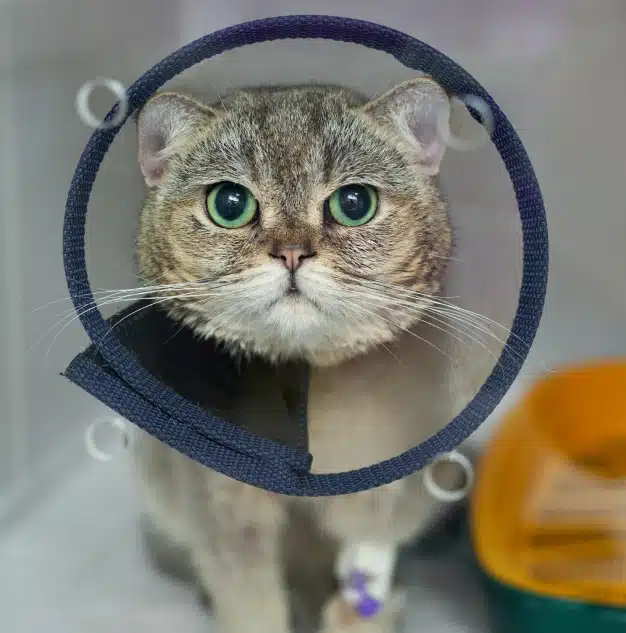
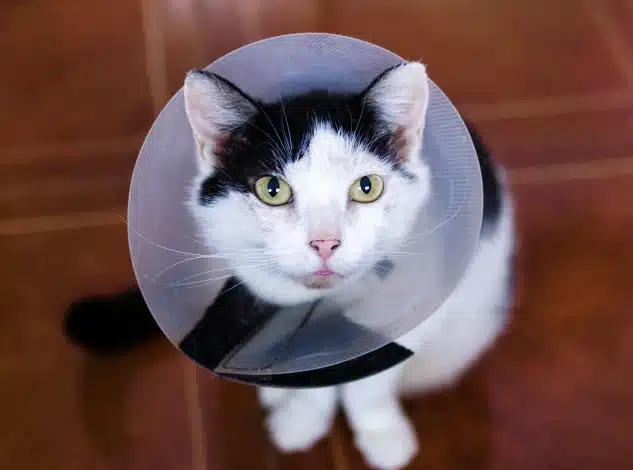
- Use of a recovery collar or protective garment
- Litter box considerations
- Follow-up examinations
- Suture or staple care, when applicable
Recovery requirements vary considerably between procedures, so follow the instructions provided for your cat rather than general postoperative advice found online.
Schedule a Surgical Consultation for Your Cat
Successful surgical care involves more than the procedure itself. Careful preparation, appropriate monitoring, pain management, and attentive recovery all play a role in helping your cat through the process.
If surgery has been recommended or you need to discuss a condition that may require surgical treatment, contact Family Pet Clinic for cat surgical care in Southampton, PA. Our veterinary team can evaluate your cat and explain the appropriate next steps.