534 2nd Street Pike, Southampton, PA 18966

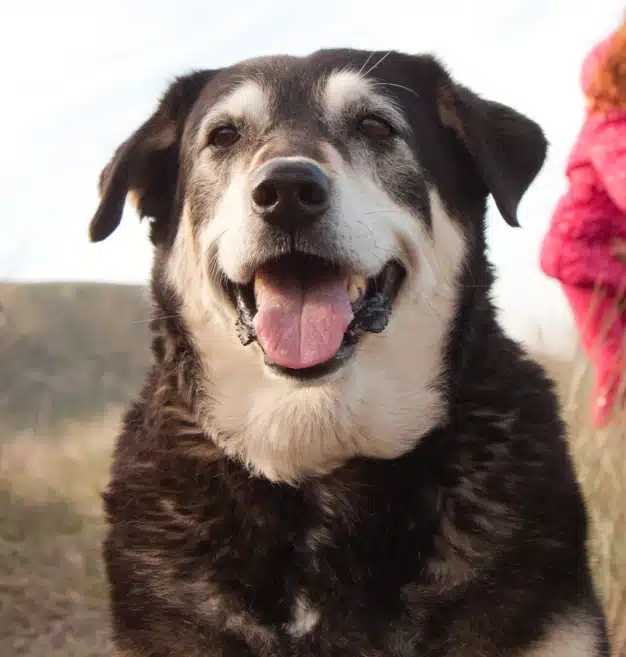

Helping Your Dog Stay Healthy Through Their Senior Years
Getting older does not necessarily mean that your dog has to stop enjoying walks, playtime, or favorite family activities. However, aging can bring gradual changes that deserve closer attention. Arthritis, dental disease, changes in organ function, weight fluctuations, and other health concerns may become more common as dogs enter their senior years.
At Family Pet Clinic, senior dog care focuses on recognizing these changes early and helping you make informed decisions about your dog's evolving needs. Regular examinations, diagnostic screening, nutrition guidance, and mobility assessments allow us to follow your dog's health over time and recommend care based on what we find.
When Is a Dog Considered a Senior?
There is no single age when every dog becomes a senior. Breed and body size play an important role in how quickly dogs age. Large and giant breeds generally reach their senior years earlier than smaller breeds.
Rather than relying only on your dog's age, our veterinary team considers their breed, size, medical history, activity level, and current health. As your dog gets older, we can recommend adjustments to their wellness schedule and preventive care based on their needs.
- A complete nose-to-tail physical examination
- Weight and growth assessment
- Fecal testing for intestinal parasites
- Age-appropriate vaccinations
- Discussion of flea, tick, and heartworm prevention
- Nutrition and feeding recommendations
- Behavioral and socialization guidance
- Planning for future wellness visits
- Discussion of spaying or neutering and microchipping
Changes to Watch for as Your Dog Ages
You know your dog's normal habits better than anyone. Small changes at home can sometimes provide important clues about their health.
Contact your veterinarian if you notice:
- Increased thirst or urination
- Unexplained weight loss or gain
- Changes in appetite
- Difficulty standing, walking, or climbing stairs
- Persistent coughing
- New lumps or bumps
- Changes in bathroom habits
- Bad breath or difficulty chewing
- Increased restlessness or confusion
- Changes in sleep patterns
- Reduced interest in walks or play
- Significant changes in personality or behavior
A new symptom does not always indicate a serious condition, but it is worth discussing rather than assuming it is simply due to age.
Senior Dog Wellness Exams
Regular veterinary examinations become increasingly important as dogs age because many health changes develop gradually. Dogs may also instinctively hide discomfort, making early problems difficult to recognize at home.
During a senior wellness examination, our team may evaluate:
- Weight and body condition
- Heart and lung function
- Teeth and gums
- Eyes and ears
- Skin and coat
- Joints, muscles, and mobility
- Abdominal organs
- Changes in appetite or thirst
- Urination and bowel habits
- Behavior and cognitive changes
Comparing findings from one visit to the next can help us recognize subtle changes and determine whether additional evaluation is appropriate.
Diagnostic Screening for Senior Dogs
A physical examination provides valuable information, but it cannot tell us everything happening inside your dog's body. Diagnostic screening can provide additional insight into organ function and other aspects of your dog's health.
Depending on your dog's age, history, and examination findings, our veterinarians may recommend bloodwork, urinalysis, or other diagnostic tests. These screenings can help establish baseline values and identify changes that may warrant monitoring or further investigation.
Regular testing is particularly useful because results can be compared over time, allowing our team to identify trends rather than relying on a single set of numbers.
Supporting Mobility and Joint Health
Slowing down is often attributed to normal aging, but changes in activity can sometimes indicate joint discomfort or reduced mobility. You may notice that your dog hesitates before climbing stairs, takes longer to stand up, avoids jumping, walks more slowly, or loses interest in activities they once enjoyed.
Our veterinary team can assess your dog's gait, joints, muscle condition, and overall mobility. When concerns are identified, we can discuss appropriate options for managing discomfort and supporting movement.
Changes at home may also make everyday life easier. Providing secure footing on slippery floors, comfortable bedding, ramps, or easier access to favorite areas can help senior dogs remain active and independent.
Nutrition and Weight Management for Older Dogs
Your dog's nutritional requirements can change with age. Some senior dogs become less active and require fewer calories, while others may lose weight because of underlying health changes.
Maintaining an appropriate body condition is particularly important for older dogs. Excess weight can place additional stress on aging joints, while unexpected weight loss may be a sign that further evaluation is needed.
During senior visits, we monitor your dog's weight and body condition and can provide feeding recommendations based on their activity level, health, and nutritional requirements.
Make Every Stage of Your Dog's Life Count
Senior care is about more than responding to illness. It is about understanding how your dog's needs are changing and making adjustments that help them continue enjoying everyday life. At Family Pet Clinic, we work with you to monitor those changes and make care decisions based on your dog's comfort, health, and individual needs.
Schedule a senior wellness visit with our Southampton veterinary team to discuss the next stage of your dog's care.