534 2nd Street Pike, Southampton, PA 18966


Getting Answers Faster With In-House Diagnostics
When something's not right with your dog, guessing isn't good enough. That's why Family Pet Clinic built its Southampton hospital around in-house diagnostic tools that give us real answers in real time, not results that trickle in days later from an outside lab. Bloodwork, imaging, and skin testing all happen right here, which means we can move from question to answer to treatment plan in a single visit in most cases.
What Happens When Your Dog Needs Bloodwork
A lot of what's going on inside a dog's body doesn't show up on a physical exam. That's where our on-site laboratory comes in. Whether your dog is in for a routine annual check, a pre-anesthetic screen, or we're chasing down symptoms that don't have an obvious cause, we can run the panel and have results back before you leave.
Some of the tests our lab runs most often:
- CBC (Complete Blood Count): flags infection, anemia, and inflammation by measuring red and white blood cell levels
- Chemistry Panel: checks how well the liver and kidneys are functioning
- Urinalysis: picks up urinary tract infections, diabetes, and early kidney disease
- Thyroid Panel: especially useful in older dogs, since thyroid imbalances often masquerade as "just getting old"
- Electrolyte Panel: tracks hydration and general metabolic health
- Fecal Testing: identifies intestinal parasites and GI issues
- Skin Scrapes: checks for mites, fungal infections, and other skin-level culprits
For senior dogs or dogs managing an ongoing condition, we typically build annual bloodwork into the regular wellness visit so we're tracking trends over time, not just snapshots.
Seeing What a Physical Exam Can't with X-Rays
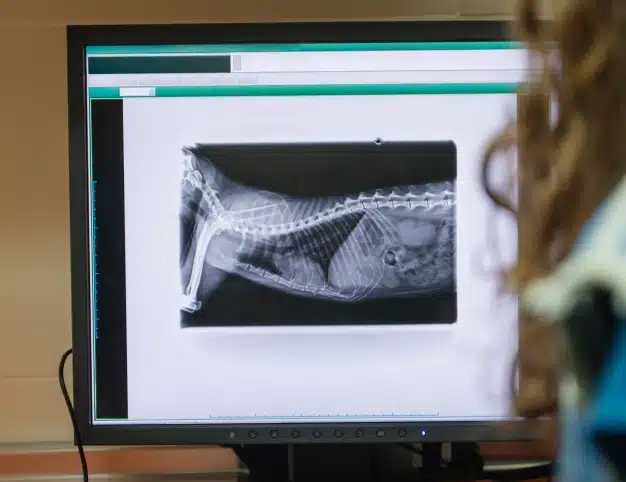
Some problems live below the surface. Our digital X-ray equipment lets us look at bone, organs, and soft tissue without ever needing to make an incision. It's how we catch things like arthritis, bladder stones, spinal issues, fractures, tumors, and blockages that wouldn't otherwise be visible.
The process itself is fast and doesn't require sedation in most cases, and because it's digital, we're reviewing images with you the same day. Dogs of any age can safely undergo X-rays, since the radiation exposure involved is minimal. When we combine imaging with lab results, we get a much fuller picture of what's actually going on, which means less trial and error in treatment.
Allergy Testing
Constant itching, hot spots, and skin irritation are some of the most common reasons dogs end up in our exam rooms, and the causes range from environmental allergies to hormonal issues to infections that need targeted treatment, not just a topical cream.
Signs your dog's skin issue needs a closer look:
- Red, flaky, or irritated skin
- Nonstop licking, chewing, or scratching
- Bald patches or excessive shedding
- Bumps, lumps, or scabbing
- Watery or irritated eyes
- Digestive symptoms like vomiting or diarrhea alongside skin changes
- Noticeable irritability or behavior shifts
What's often behind it:
- Pollen and seasonal grasses
- Certain grains in diet
- Household cleaning products
- Fragrances and perfumes
Diagnosis and Treatment
Sometimes the cause is obvious on exam. When it's not, we bring in bloodwork, allergy testing, or a skin scrape to narrow things down, using our in-house lab so you're not left waiting on results while your dog stays uncomfortable.
Once we know what we're dealing with, treatment might mean a topical medication, an oral or injectable prescription, an allergy management plan, or changes at home to limit exposure to whatever's triggering the reaction. The goal is always the same: figure out the actual cause and fix it, not just mask the symptom.