278 Easton Rd, Horsham, PA 19044, United States

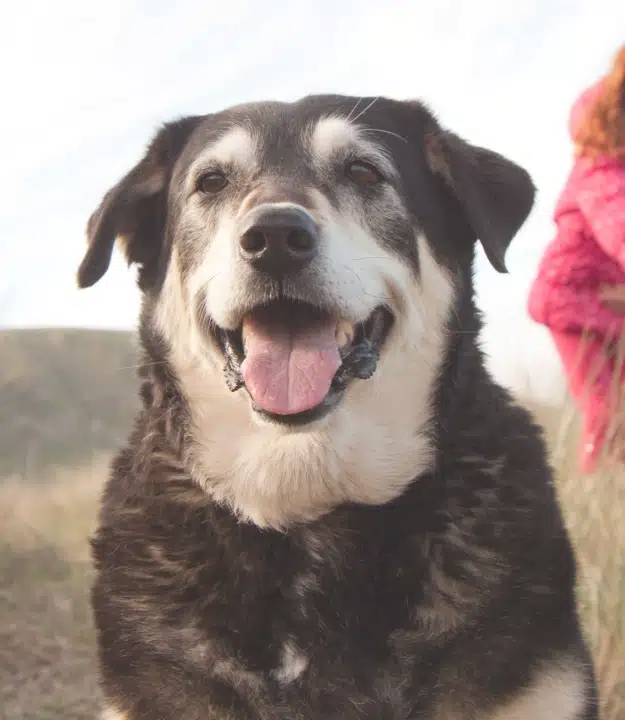

Personalized Senior Dog Wellness Care in Horsham, PA
As your dog gets older, their healthcare needs can change. Conditions that may develop gradually can be difficult to notice at home, making regular veterinary examinations an important part of supporting your dog's health as they age.
At Family Pet Clinic in Horsham, PA, we provide personalized senior dog care focused on monitoring your dog's changing health and helping them remain comfortable throughout their later years, including nutrition guidance and other care based on your dog's individual needs.
Whether your dog is beginning to show signs of aging or has already entered their senior years, regular veterinary care can help identify potential concerns and support their quality of life.
Signs That Your Dog May Be Aging
Aging does not look the same for every dog. Some dogs remain active well into their senior years, while others may develop changes in mobility, energy, weight, or overall behavior.
Senior dogs can also become more susceptible to certain illnesses and age-related conditions. Regular examinations allow your veterinarian to monitor these changes and determine whether additional testing or treatment may be appropriate.
Changes in an older dog may develop slowly. You may notice:
- Reduced activity or stamina
- Changes in mobility
- Difficulty getting up or moving around
- Changes in appetite or weight
- Increased thirst or urination
- Changes in behavior
- Reduced interest in normal activities
- Changes in vision
- Other gradual changes in daily habits
If you notice a change in your senior dog's usual routine, let your veterinarian know. Even subtle changes can provide useful information about your dog's health.
Why Senior Dogs Benefit From Regular Wellness Exams
Family Pet Clinic recommends more frequent veterinary visits for senior pets. A checkup every six months allows our veterinary team to monitor your dog's health more closely and identify changes that may not be obvious at home.
During a senior wellness examination, your veterinarian can assess your dog's overall condition and discuss any changes you have noticed since their previous visit.
What We Monitor During Senior Visits
A senior examination may include an evaluation of your dog's:
- Heart and respiratory function
- Teeth and gums
- Joints and muscles
- Abdomen
- Eyes and ears
- Weight and body condition
- Skin and coat
- Overall physical condition
These routine assessments help your veterinarian establish a clearer picture of your dog's health over time. Family Pet Clinic's preventive care information confirms that routine examinations evaluate these areas as part of a nose-to-tail physical examination.
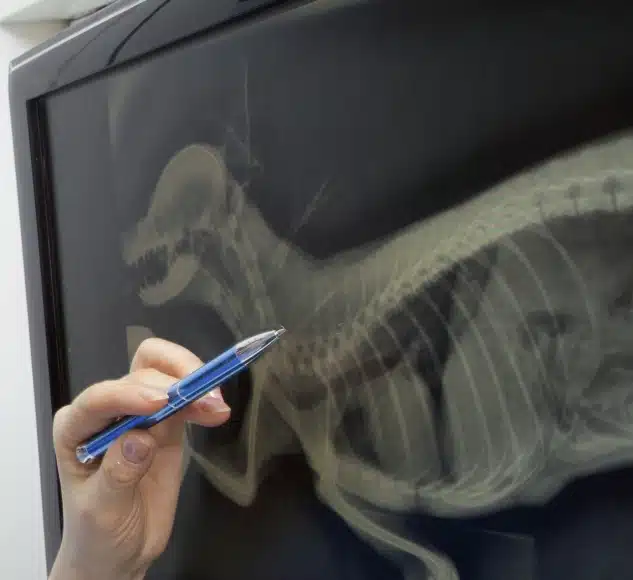
Diagnostic Testing for Aging Dogs
Senior dogs may benefit from additional diagnostic testing because some health conditions can develop without obvious outward signs. Family Pet Clinic recommends several tests for senior pets to help identify and monitor age-related health concerns.
Managing Common Senior Dog Health Concerns
Older dogs can develop health concerns that affect their comfort and daily activities. Early recognition allows your veterinary team to evaluate the problem and discuss appropriate care.
Joint and Mobility Changes
Changes in mobility can affect how comfortably your dog walks, gets up, climbs stairs, or participates in normal activities. Arthritis is one concern that may become more common with age.
If you notice your dog moving differently or becoming less active, mention these changes during their veterinary visit. Your veterinarian can evaluate their joints and muscles and discuss appropriate ways to support mobility and comfort.
Changes in Weight and Appetite
Weight changes can occur as dogs age and may have several possible causes. A noticeable increase or decrease in weight, along with changes in appetite, should be discussed with your veterinarian.
Regular weight checks allow your veterinary team to monitor trends and determine whether additional evaluation is needed.
Changes in Behavior
You know your dog's normal personality and routine better than anyone. Changes in sleep, activity, interaction, or daily behavior can be important information for your veterinarian.
Keep track of noticeable changes and share them during your senior dog's appointments. This can help your veterinary team determine whether further evaluation is appropriate.
Nutrition and Wellness Support for Senior Dogs
Your dog's nutritional needs may change as they get older. Maintaining an appropriate body weight is an important part of supporting mobility and overall health.
At Family Pet Clinic, nutritional and weight management guidance is part of preventive care. Your veterinarian can consider your dog's age, weight, activity level, and health needs when discussing nutrition.
Helping Your Senior Dog Stay Active
Senior dogs may not have the same energy or mobility they had when they were younger, but appropriate activity can still be an important part of their daily routine.
Talk with your veterinarian about suitable activity levels for your dog, particularly if you have noticed changes in mobility or stamina. Your dog's exercise routine should take their overall health and physical condition into account.
Helping Your Dog Enjoy Their Golden Years
Senior dogs have unique healthcare needs, but getting older does not mean your dog cannot continue to enjoy an active and fulfilling life.
If your dog is entering their senior years or you have noticed changes in their health, schedule an appointment with Family Pet Clinic. Our team can evaluate your dog's current condition and recommend an appropriate plan for ongoing Aging Dog Care.
Family Pet Clinic is located at 278 Easton Rd, Horsham, PA 19044. Call (267) 387-8176 to schedule your dog's senior wellness examination. The Horsham location currently offers same-day appointments.