278 Easton Rd, Horsham, PA 19044, United States

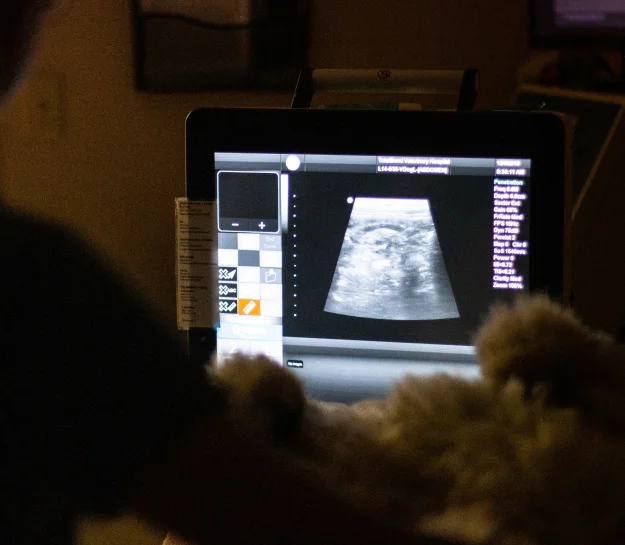

Advanced Ultrasound for Veterinary Diagnostics
Ultrasound is an important diagnostic tool that helps our veterinary team investigate health concerns by examining structures inside your pet’s body. This imaging method, also known as ultrasonography, uses high-frequency sound waves to produce images of internal organs, blood vessels, and soft tissues. Since ultrasound is non-invasive and does not use ionizing radiation, it can provide valuable information to help guide your pet’s veterinary care.
Common Ultrasound Techniques in Veterinary
Different ultrasound methods are used to obtain specific views of the body. In veterinary medicine, B-mode (brightness mode), commonly called 2D ultrasound, is one of the most widely used techniques. It creates two-dimensional images that help veterinarians examine abdominal organs, identify pregnancies, evaluate certain aspects of heart function, and investigate specific eye conditions. The images can help our team better assess your pet’s condition and determine whether additional testing or treatment may be needed.
In-House Laboratory
At Family Pet Clinic, we understand the importance of providing our clients with quick lab results. That’s why our medical team utilizes our in-house laboratory, ensuring fast turnaround times. This is especially beneficial for cases of injury or illness, as well as for making routine wellness visits, fecal exams, and blood work more convenient.
We recommend that your pet have bloodwork done at least once a year. Along with physical and fecal exams, this helps us gain a clear picture of your pet’s overall health. Bloodwork provides valuable information on blood chemistry and organ function, enabling us to detect any potential disorders early in your pet's life.
Below are some of the diagnostic tests performed with our in-house laboratory:
- Complete Blood Count (CBC) is one of the most commonly performed diagnostic tests at our facility. It measures the number of red and white blood cells in your pet's blood, helping us detect conditions like anemia, leukemia, infections, and inflammation.
- Blood Chemistry Panel serves as a baseline assessment of your pet’s health by evaluating organ function and health. This test is essential for monitoring treatment progress and recovery.
- Urinalysis is useful for detecting liver disease, diabetes, kidney disease, and urinary tract infections.
- Thyroid Tests evaluate hormone production to check for over- or under-production, which is crucial for bodily functions like metabolism and energy. This test becomes especially important as pets age.
- Electrolyte Testing helps us monitor dehydration levels and provides valuable insights into your pet’s overall health condition.
- Fecal Exams are conducted to check for intestinal parasites, as well as other underlying issues like pancreatic disorders, internal bleeding, and disease.
- Skin Scrapings allow us to test for fungal infections and diagnose dermatological issues, including allergies.
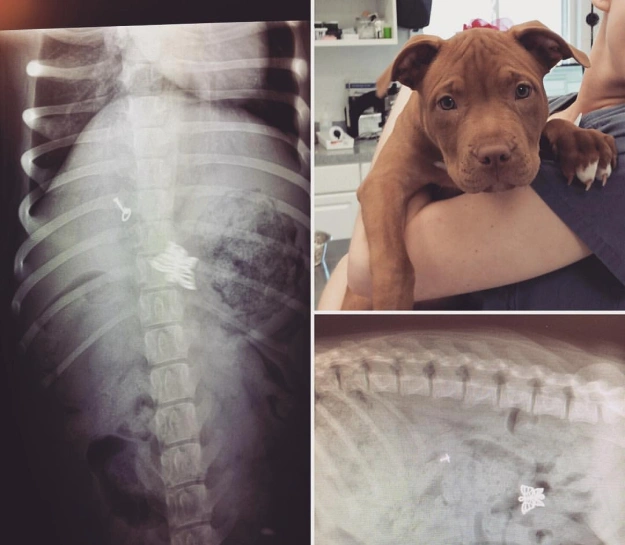
Digital Radiography
Digital radiography, commonly referred to as an x-ray, utilizes advanced technology to generate high-resolution images of your pet's internal organs and bones. These detailed images help us assess the size, shape, and positioning of these structures, allowing us to identify potential health issues. If any abnormalities are found, the images guide us in providing more accurate and effective treatment options.
By examining the size and shape of organs, we can detect a variety of concerns, including tumors, intestinal blockages, bladder stones, arthritis, and spinal issues.
The digital radiography process is quick, safe, and non-invasive. It uses a minimal amount of radiation, making it safe for pets of all ages. Plus, the procedure is painless and can often be performed during the same visit to your veterinarian.
Allergy & Dermatology Testing
Dermatitis is a general term used to describe any condition that affects the skin. Skin issues and allergies can lead to irritation, discomfort, and even emotional distress in pets. There are many potential causes of dermatitis, including hormonal imbalances, allergies, autoimmune disorders, infections, cancers, and tumors.
Our experienced medical team is here to identify the underlying cause of your pet's dermatological concerns and recommend the most effective treatment to help them feel comfortable and relieved once again.
Symptoms of a Dermatological Condition:
- Dry, flaky, or red skin
- Diarrhea
- Vomiting
- Excessive licking, biting, or chewing of the skin
- Frequent itching
- Increased shedding
- Hair loss
- Lumps or bumps on the skin
- Watery or irritated eyes
- Changes in behavior due to discomfort or irritation
Common Allergens:
- grasses and flowers
- pollen
- certain grains
- perfumes
- household cleaners
If you observe any of these symptoms in your pet, please don't hesitate to reach out to us or schedule an appointment. We're here to help!
Diagnosis
Identifying the issue is the first step toward finding a solution. In many cases, a thorough visual examination is enough to make a diagnosis.
If additional investigation is needed, our team may suggest diagnostic tests like blood work, allergy testing, or skin scrapings. With our in-house diagnostic lab, we can quickly analyze results and move forward with the best treatment plan for your pet.
Treatment
After evaluating your pet’s condition, our medical team will discuss the most appropriate treatment options with you. These may include creams, injections, medications, or strategies to avoid the triggering allergen.
What to Expect at Your Pet’s Ultrasound
We know that spending time at the veterinary clinic can feel unfamiliar for pets, so our team takes steps to make the ultrasound process as calm and comfortable as possible. From the initial check-in to the time your pet goes home, we focus on attentive supervision and keeping you informed about the next steps.
- Comfort-focused examinations: Our team aims to provide a low-stress experience through gentle handling and attentive care.
- Daytime clinic care: Your pet will stay with our veterinary care team for the day while the ultrasound and related procedures are carried out.
- Close observation: Our qualified veterinary technicians monitor your pet’s comfort and stability throughout their stay, from drop-off until pick-up.
- Timely communication of findings: Reports are usually available within 48 to 72 hours. For urgent situations, STAT image review may be requested, allowing a final report to be received within 24 hours.