278 Easton Rd, Horsham, PA 19044, United States

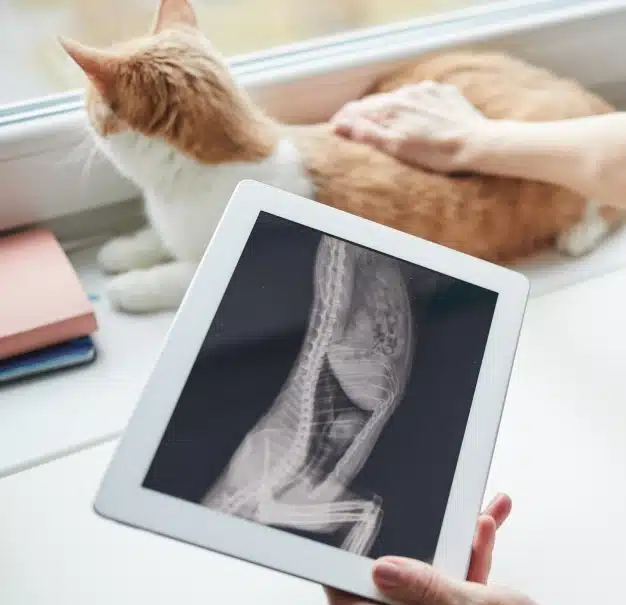

Clear Answers Start With Comprehensive Diagnostic Care
When your cat is not feeling well, finding the cause is an important first step toward appropriate treatment. Cats can be subtle about changes in their health, so diagnostic testing can provide valuable information when symptoms are difficult to identify through a physical examination alone.
At Family Pet Clinic in Horsham, PA, we provide cat diagnostic care using an in-house laboratory and digital radiography. These diagnostic tools allow our veterinary team to evaluate your cat's health, investigate concerning symptoms, and use test results to guide the next steps in care.
When Your Cat May Need Diagnostic Testing
Diagnostic testing may be recommended when your cat develops symptoms that require further evaluation. Testing can also be useful for monitoring an existing health condition or establishing a baseline for your cat's overall health.
Contact your veterinarian if you notice changes such as:
- Decreased appetite
- Unexplained weight changes
- Vomiting or diarrhea
- Increased thirst
- Changes in urination
- Changes in litter box habits
- Reduced activity
- Changes in behavior
- Skin or coat changes
- Other unusual or persistent symptoms
Your veterinarian will first examine your cat and discuss the changes you have noticed. Depending on the findings, diagnostic testing may be recommended to better understand what is happening.
In-House Laboratory Testing for Cats
Family Pet Clinic has an in-house laboratory that allows the medical team to collect and analyze samples on-site. This can provide faster access to diagnostic information when your cat is sick or when testing is part of a routine wellness visit.
Bloodwork
Bloodwork can provide important information about your cat's overall health. A complete blood count can help evaluate blood cells and identify findings associated with conditions such as anemia, infection, and inflammation.
A blood chemistry panel provides information about organ function and can help veterinarians evaluate your cat's health and monitor certain medical conditions over time.
Urinalysis
A urinalysis examines your cat's urine and can provide information about several aspects of their health. It can help identify findings associated with urinary tract infections, kidney disease, diabetes, and liver disease.
Urinalysis can be particularly useful when a cat develops changes in urination or litter box habits.
Thyroid Testing
Thyroid testing evaluates hormone production and can help identify abnormal thyroid function. This type of testing can become especially important as cats get older, when certain age-related health concerns become more common.
Electrolyte Testing
Electrolyte testing provides information that can help veterinarians assess hydration and other aspects of your cat's health. Depending on your cat's condition, electrolyte testing may be included with other laboratory tests.
Fecal Examinations
Fecal testing can help identify intestinal parasites and other health concerns. Your veterinarian may recommend a fecal examination based on your cat's age, lifestyle, symptoms, or overall health history.
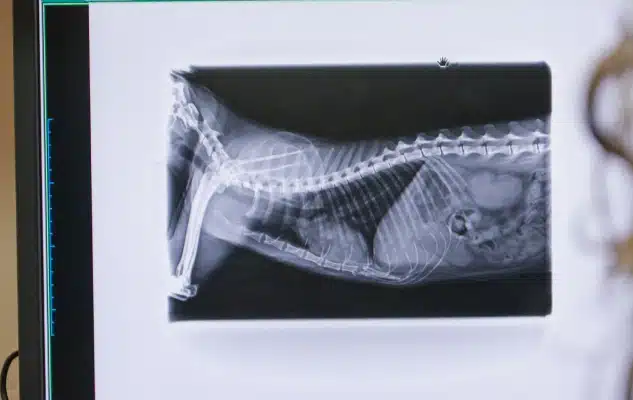
Digital Radiography for Cats
Some health concerns cannot be fully evaluated through a physical examination or laboratory testing alone. Digital radiography, commonly known as X-rays, provides images of structures inside your cat's body.
At Family Pet Clinic, digital radiography is available on-site. These images can help veterinarians evaluate bones and internal structures and identify concerns such as bladder stones, intestinal blockages, arthritis, spinal problems, and certain abnormal changes involving internal organs.
When Your Cat May Need X-Rays
Your veterinarian may recommend digital radiographs when your cat has symptoms or examination findings that require additional investigation. The need for X-rays depends on your cat's individual condition and what your veterinarian finds during the examination.
Digital radiography is non-invasive and can often be performed during the same veterinary visit.
Diagnostic Care for Senior Cats
Older cats may benefit from more regular health monitoring because some conditions develop gradually and may not produce obvious symptoms in the early stages.
Family Pet Clinic recommends routine testing for senior pets, including bloodwork, urinalysis, and X-rays when appropriate. These tests can help veterinarians monitor for conditions such as kidney disease, diabetes, liver disease, arthritis, and other age-related concerns.
Diagnostic Testing for Cats With Ongoing Health Concerns
Diagnostic care is not limited to identifying new illnesses. Testing can also help monitor cats who are already receiving treatment or have an ongoing health condition.
Depending on your cat's needs, your veterinarian may recommend follow-up bloodwork, urinalysis, imaging, or other testing to evaluate how their condition is progressing and whether their treatment plan needs to be adjusted.
Diagnostic results give your veterinary team additional information when making treatment decisions. Your veterinarian will explain the findings, discuss what they mean for your cat, and recommend appropriate next steps. If additional testing or specialized care is needed, your veterinarian can discuss the available options with you.
Skin and Allergy Diagnostics for Cats
Skin and coat changes can have many possible causes, including allergies, infections, hormonal changes, and other medical conditions.
When a physical examination alone does not provide enough information, diagnostic testing may be recommended. Family Pet Clinic's diagnostic services include skin scrapings, which can help evaluate certain skin conditions and fungal infections.
Contact your veterinarian if your cat develops:
- Excessive itching
- Hair loss
- Frequent licking or chewing
- Red or irritated skin
- Changes in coat quality
- Skin lumps or bumps
- Other persistent skin changes
Identifying the underlying cause is an important part of determining the appropriate treatment.
Schedule Cat Diagnostic Care Horsham, PA
If you have noticed changes in your cat's appetite, weight, energy, litter box habits, or overall behavior, contact Family Pet Clinic for an evaluation. Your veterinarian can determine whether diagnostic testing may help identify the cause.
Call Family Pet Clinic at (267) 387-8176 to schedule an appointment.