278 Easton Rd, Horsham, PA 19044, United States

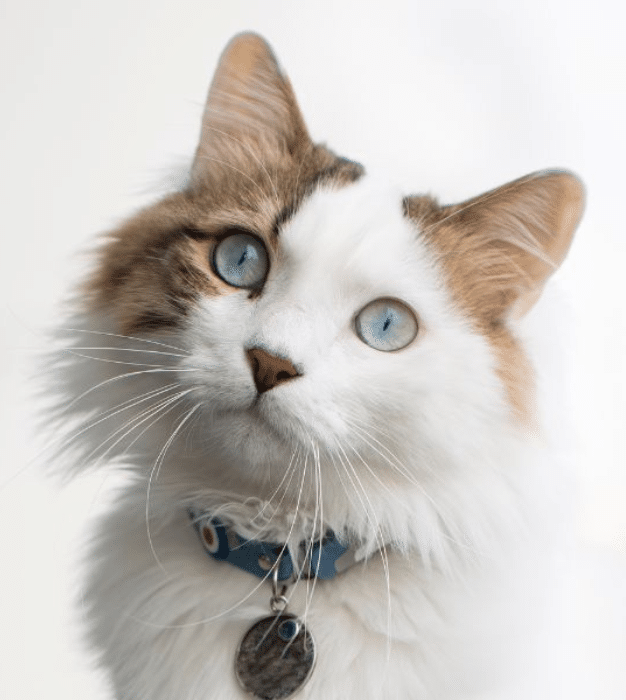

Proactive Veterinary Care for a Healthier Life With Your Cat
Cats are naturally good at hiding signs of illness, which can make it difficult to know when something is wrong. Regular veterinary visits allow your cat's healthcare team to monitor their health, identify changes early, and provide recommendations based on their age, lifestyle, and individual needs.
At Family Pet Clinic in Horsham, PA, we provide cat preventive care designed to support your cat's health throughout every stage of life. From routine physical examinations and vaccinations to parasite prevention, weight management, and dental evaluations, our veterinary team works with you to create an appropriate wellness plan for your cat.
What Happens During a Cat Preventive Care Visit?
A wellness examination provides a complete look at your cat's current health. Your veterinarian will perform a physical examination and discuss any concerns you have noticed since your cat's last visit.
The examination may include an evaluation of your cat's:
- Heart and lungs
- Eyes and ears
- Skin and coat
- Teeth and gums
- Abdomen
- Joints and mobility
- Body weight and condition
We may also ask about your cat's appetite, drinking habits, activity, grooming, and litter box use. These everyday behaviors can help your veterinarian understand whether there have been changes that deserve closer attention.
Vaccinations Based on Your Cat's Needs
Vaccination is an important part of preventive care for cats. However, vaccination recommendations are not necessarily the same for every cat. Your veterinarian will consider factors such as your cat's age, health, lifestyle, and potential exposure to other animals when discussing vaccines.
Core Feline Vaccines
- FVRCP vaccination prevents feline viral rhinotracheitis, calicivirus, and panleukopenia. Also known as the feline combo or feline distemper vaccine, the FVRCP vaccine is a combination vaccine that includes protection against three common and potentially serious airborne viruses.
- Rabies vaccination prevents cats from contracting rabies, a deadly disease to both animals and humans. This vaccine is required by law.
Non-Core Feline Vaccines
- FeLV/FIV vaccination prevents cats from getting Feline Leukemia Virus and Feline Immunodeficiency Virus. This is recommended for cats who reside in multi-cat households or spend time outdoors.
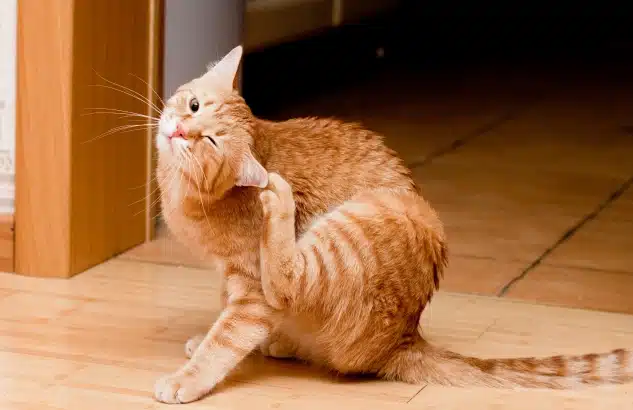
Parasite Prevention for Indoor and Outdoor Cats
Parasites can affect cats regardless of whether they spend most of their time indoors or outdoors. Fleas can enter your home on people, other pets, clothing, or other objects. Some intestinal parasites can also affect cats and may be transmissible to people.
Nutrition and Weight Management for Cats
Maintaining a healthy weight is an important part of preventive care for cats. Cats that carry excess weight may have a greater risk of certain health problems, including diabetes and joint-related concerns.
During wellness visits, your veterinarian can assess your cat's body condition and discuss nutrition based on their age, activity level, and individual needs.
Helping Your Cat Maintain a Healthy Weight
- Appropriate feeding amounts
- Healthy body condition
- Treat and snack intake
- Changes in nutritional needs
- Weight management strategies
Small changes to your cat's daily routine can make a meaningful difference over time.
Dental Health as Part of Preventive Care
Your cat's mouth is also evaluated during routine veterinary examinations. Dental disease can affect the teeth and gums and may cause discomfort that is difficult to recognize at home.
During a wellness examination, your veterinarian can look for visible signs of dental concerns, including tartar buildup, gum inflammation, and other changes that may require further evaluation.
Behavior Changes Can Provide Important Health Clues
Changes in behavior are sometimes dismissed as normal changes in a cat's personality. However, a new behavior may sometimes be associated with an underlying health concern.
During a preventive visit, you can discuss concerns such as:
- Changes in litter box habits
- Increased hiding
- Changes in appetite
- Reduced activity
- Increased vocalization
- Changes in grooming
- Scratching or other behavior changes
Your veterinarian can help determine whether a behavioral change may require further medical evaluation.
Preventive Care for Cats at Every Life Stage
Your cat's healthcare needs change as they grow. Kittens require care that supports healthy development, while adult cats benefit from continued wellness monitoring. Older cats may need closer observation and more frequent veterinary visits depending on their health.
Regular preventive care allows your veterinary team to adjust recommendations as your cat ages.
Schedule Cat Preventive Care in Horsham, PA
Regular veterinary care is one of the best ways to support your cat's health over the years. Don't wait until a small change becomes a bigger concern. Schedule a wellness visit so your cat's health can be evaluated and their preventive care plan can be reviewed.
Call Family Pet Clinic at (267) 387-8176 to schedule an appointment.