278 Easton Rd, Horsham, PA 19044, United States

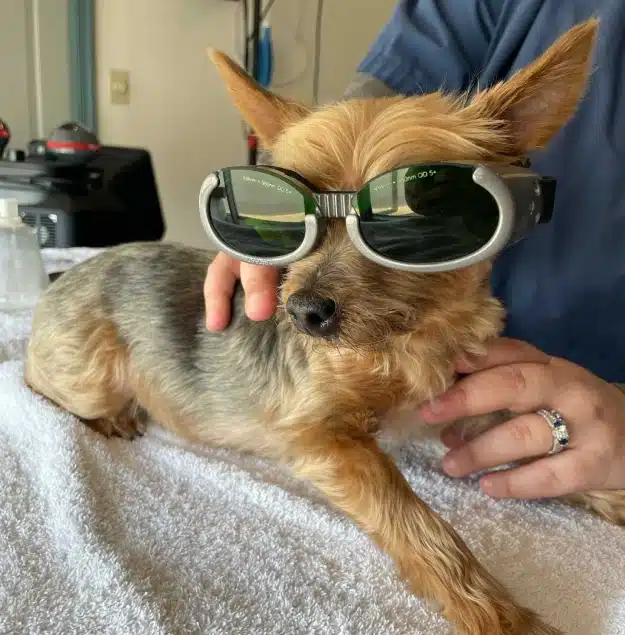

Non-Invasive Laser Therapy to Support Your Dog’s Recovery
When your dog is experiencing pain, inflammation, an injury, or a slow recovery, supportive treatment can help improve their comfort and quality of life. Family Pet Clinic in Horsham, PA, offers Dog Laser Therapy as a non-invasive treatment that can be incorporated into an individualized care plan.
Laser therapy uses targeted light energy applied to specific areas of the body. Depending on your dog's condition, it may help reduce inflammation, support tissue healing, and improve comfort. Our veterinary team evaluates your dog's health and treatment needs to determine whether laser therapy for dogs is an appropriate part of their care plan.
How Dog Laser Therapy Supports Your Dog
Laser therapy is designed to support the body's natural healing processes. During treatment, a veterinary team member applies a handheld laser device to the targeted area. The light energy interacts with cells in the treated tissues and may help increase circulation and support cellular repair.
Because laser therapy is non-invasive, it does not involve an incision or injection. Most dogs tolerate the treatment well, and sedation is generally not required.
Depending on your dog's condition, laser therapy may help:
- Reduce inflammation
- Relieve discomfort
- Support tissue healing
- Improve circulation in treated areas
- Support recovery following certain procedures
- Improve comfort and mobility
Laser therapy is not appropriate for every condition or patient. Your veterinarian will evaluate your dog's individual health needs to determine whether this treatment may be beneficial.
Conditions That May Benefit From Laser Therapy
Laser therapy may be incorporated into treatment plans for conditions involving pain, inflammation, tissue damage, or healing concerns.
Arthritis and Joint-Related Conditions
Arthritis can make everyday activities such as walking, climbing stairs, or getting up more difficult for dogs. Laser therapy may be included as part of an arthritis management plan to help address inflammation and support your dog's comfort and mobility.
Your veterinarian may recommend laser therapy alongside other appropriate treatments based on your dog's condition and individual needs.
Soft Tissue Injuries
Dogs can develop soft tissue injuries through exercise, play, accidents, or other activities. Sprains and strains may result in inflammation, pain, and reduced mobility.
For appropriate injuries, laser therapy may support the healing process while your dog follows the rest of their recommended treatment plan.
Skin and Wound Care
Laser therapy may also be used as part of treatment for certain wounds and skin conditions. By supporting circulation and the body's natural healing response, treatment may help promote recovery in appropriate cases.
Before recommending laser therapy, your veterinarian will evaluate the underlying cause of your dog's skin problem or wound and determine whether it is an appropriate treatment option.
Recovery After Surgery
Laser therapy may be incorporated into a dog's recovery plan following certain surgical procedures. It can provide supportive care during the healing process and may help address inflammation and discomfort associated with recovery.
Your veterinarian will determine whether laser therapy is appropriate based on your dog's procedure, condition, and healing progress.
What Happens During a Dog Laser Therapy Session?
During a laser therapy session, the treatment device is applied to the targeted area of your dog's body. The procedure is non-invasive, and most dogs tolerate it well.
Sedation is generally not required. The treatment area, duration, and frequency of sessions depend on your dog's condition and the goals of treatment.
Many dogs remain calm and comfortable during laser therapy. The treatment is designed to be gentle and non-invasive, and your veterinary team will monitor your dog's response throughout the session.
The number of treatments your dog needs will depend on the condition being treated and its severity. Family Pet Clinic notes that laser therapy typically involves four to eight sessions, although your veterinarian will determine the appropriate treatment schedule for your dog.
How Often Does a Dog Need Laser Therapy?
There is no single treatment schedule that works for every dog. The recommended number and frequency of sessions depend on factors such as:
- Your dog's condition
- The severity of the condition
- The location and size of the treatment area
- Your dog's response to treatment
- Other treatments included in the care plan
Dogs with an acute injury may have a different treatment schedule than dogs receiving ongoing support for a chronic condition such as arthritis.
Your veterinarian will discuss the recommended treatment plan with you and explain what to expect throughout the process.
Give Your Dog Supportive Care in Horsham, PA
If your dog is experiencing discomfort, mobility changes, an injury, or a recovery-related concern, talk with our veterinary team about whether laser therapy for dogs may be appropriate.
Family Pet Clinic provides veterinary care for dogs in Horsham, PA, and can evaluate your pet to determine whether laser therapy is a suitable treatment option.
Call the Family Pet Clinic at (267) 387-8176 to discuss your dog's condition or schedule an appointment.