278 Easton Rd, Horsham, PA 19044, United States


Safe, Attentive Surgical Care for Your Dog
Learning that your dog needs surgery can be concerning. Whether your pet requires a routine spay or neuter procedure or a more involved soft tissue surgery, having a clear understanding of the process can make the experience easier.
At Family Pet Clinic in Horsham, PA, we provide comprehensive dog surgical care with an emphasis on careful preparation, individualized anesthesia protocols, attentive monitoring, pain management, and post-operative support. Our veterinary team evaluates each dog's health, age, size, and procedure requirements to develop an appropriate surgical plan.
From pre-surgical evaluation through recovery, we are here to help you understand your dog's care and know what to expect at each stage.
Comprehensive Surgical Service for Dogs
Dogs may require surgery for a variety of reasons. Some procedures are routinely performed as part of reproductive care, while others may be recommended to address injuries, masses, hernias, urinary conditions, or other medical concerns.
Family Pet Clinic provides surgical procedures for dogs, including:
- Spay and neuter procedures
- Mass and tumor removal
- Laceration and wound repair
- Hernia repair
- Bladder stone removal
- Other appropriate soft tissue procedures
Before recommending surgery, our veterinary team will evaluate your dog and discuss the procedure with you. We will explain why the surgery is recommended and provide information about preparation and recovery.
Spay and Neuter Surgery
Spay and neuter procedures are among the most frequently performed surgeries for dogs. Spaying involves removing the female reproductive organs, while neutering involves removing the male reproductive organs.
These procedures prevent reproduction and may provide additional health and behavioral benefits. Your veterinarian can discuss the appropriate timing and potential benefits of spaying or neutering based on your dog's individual circumstances.
Soft Tissue Surgery for Dogs
Soft tissue procedures address conditions involving tissues and structures other than bones and joints. At Family Pet Clinic, our surgical services include procedures such as mass and tumor removal, wound repair, hernia repair, and bladder stone removal.
Bladder stone removal may be necessary when urinary stones cannot pass naturally and require surgical intervention.
Our veterinarians will discuss the recommended procedure, explain the reason for surgery, and answer your questions before moving forward.
Preparing Your Dog for Surgery
Proper preparation is an important part of your dog's surgical experience. Before the procedure, our team will provide instructions regarding fasting, medications, arrival time, and other steps you may need to take at home.
Following these instructions carefully helps your dog arrive prepared for their procedure.
Pre-Surgical Bloodwork
Pre-anesthetic bloodwork may be recommended before surgery to provide additional information about your dog's health. Bloodwork can help identify underlying conditions that may influence anesthesia or the surgical plan.
Your veterinarian will discuss whether pre-surgical testing is appropriate for your dog based on their age, health, medical history, and planned procedure.
What to Expect on Surgery Day
Our team will provide specific instructions before your dog's procedure so you know what to expect. These instructions may cover:
- Fasting requirements
- Water restrictions, when applicable
- Drop-off procedures
- Medications
- Expected discharge time
- At-home recovery instructions
If you are uncertain about any preparation instructions, our team can answer your questions before surgery day.
Careful Monitoring During Surgery
Anesthesia and monitoring are important components of surgical care. Because each dog has different health considerations, our veterinary team selects an anesthesia approach based on the individual patient and procedure.
During surgery, a trained veterinary technician monitors your dog's vital signs throughout the procedure. This allows the veterinary team to closely observe your pet during anesthesia and surgery.
Pain management is also incorporated into your dog's surgical care. The appropriate approach depends on the procedure and your dog's individual needs.
Supporting Your Dog's Recovery
Recovery continues after your dog's procedure is complete. Depending on the type and complexity of surgery, some dogs may return home the same day, while others may require an overnight stay for additional monitoring during their initial recovery.
Before discharge, our team will review your dog's post-operative instructions with you.
Your dog's recovery plan may include:
- Limiting exercise and physical activity
- Monitoring the surgical incision
- Administering medications as prescribed
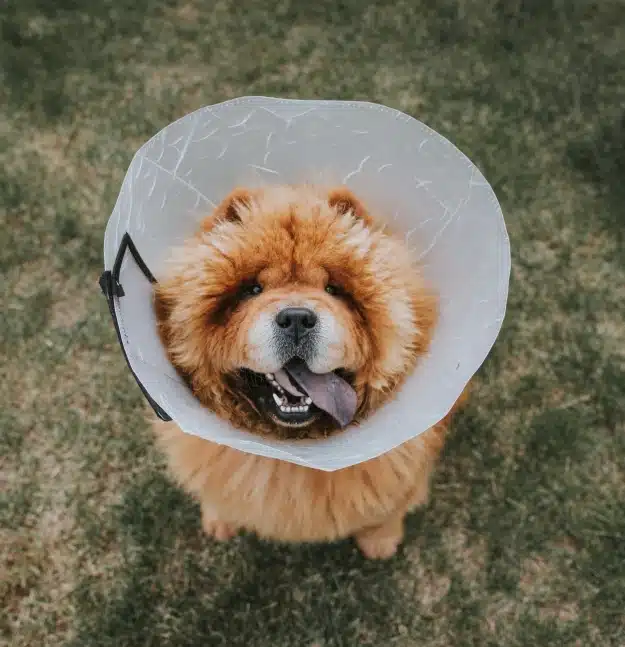
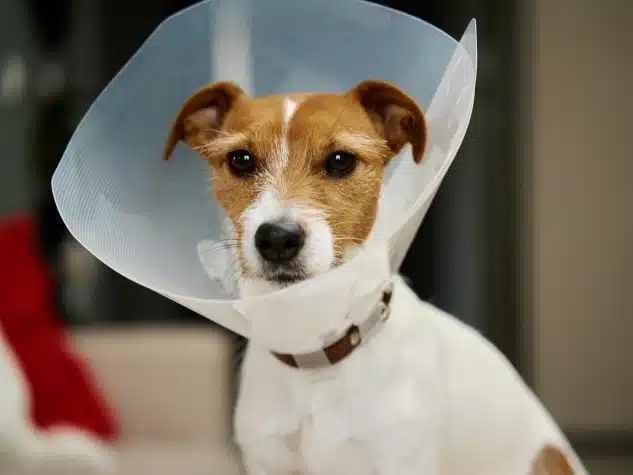
- Preventing your dog from licking or interfering with the incision
- Monitoring appetite and water intake
- Watching for changes in behavior or overall condition
- Following scheduled recheck recommendations
Schedule Your Dog's Surgical Consultation
Whether your dog needs a routine spay or neuter procedure or a soft tissue surgery, Family Pet Clinic is here to provide attentive, individualized care.
If your veterinarian has recommended surgery or you would like to discuss a surgical procedure for your dog, call Family Pet Clinic at (267) 387-8176 to schedule an appointment or consultation.
Our team can explain the recommended procedure, discuss preparation, and answer your questions about your dog's surgery and recovery.