1441 Bridgetown Pike, Feasterville, PA 19053

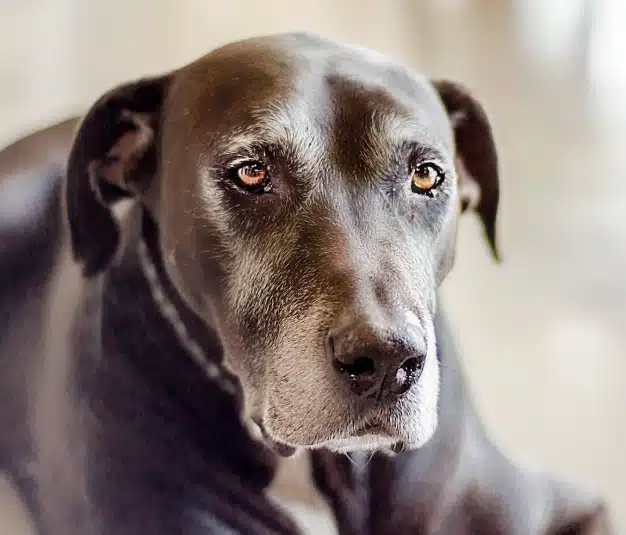

Understanding Your Dog's Senior Years
Dogs are generally considered senior around 7 years of age, though large and giant breeds tend to show age-related changes earlier than small breeds. As your dog enters this stage of life, the focus of veterinary care shifts from routine prevention toward monitoring for age-related conditions and keeping your dog comfortable, mobile, and engaged for as long as possible.
At Family Pet Clinic, our veterinarians have guided Bucks County families through their dogs' senior years for over 25 years, and we understand how personal these conversations can be.
Common Health Changes We Watch for in Senior Dogs
Arthritis is one of the most common conditions affecting older dogs, particularly in the hips, knees, and spine. Because dogs are stoic by nature, many owners mistake early arthritis for "just slowing down with age" rather than recognizing it as a treatable, manageable condition. Our doctors evaluate gait, joint range of motion, and muscle mass at every senior visit, and we discuss options ranging from joint supplements and weight management to prescription pain control and laser therapy.
We also watch closely for signs of canine cognitive dysfunction (sometimes described as "doggy dementia"), which can present as disorientation, changes in sleep patterns, house soiling, or increased anxiety. Heart disease, kidney disease, and certain cancers also become more common as dogs age, which is why senior wellness visits typically include more thorough diagnostic screening than a standard adult exam.
Making the Senior Years Comfortable
Beyond medical management, our team talks with you about practical home adjustments, including ramps or steps to reduce jumping, orthopedic bedding, non-slip flooring, and adjusted exercise routines that keep your dog active without overtaxing aging joints. Our goal is always to help your dog live not just longer, but better.
Schedule a Senior Wellness Visit for Your Dog
Call Family Pet Clinic at (215) 357-6357
to schedule a senior dog wellness exam at our Feasterville hospital. We are here to help your dog age comfortably and confidently.