1441 Bridgetown Pike, Feasterville, PA 19053

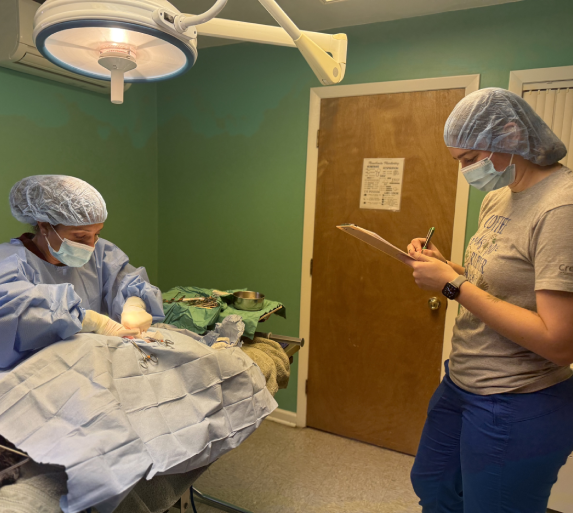

Compassionate and Safe Pet Surgery
Here at Family Pet Clinic, we take great pride in the safety and success of the surgical procedures we perform. We know anxiety can arise when one hears his or her pet may have to undergo surgery, which is why we discuss surgical plans that are best for your pet. Before, during, and after the procedure, we make it one of our top priorities to keep you informed about the progress of your pet’s surgery.
General & Advanced Surgery
Before surgery, we will set up a meeting with you to discuss surgery options and help you select a plan best suited for your pet. At this time we will also perform bloodwork so we know how to properly sedate your pet. Throughout this process, we highly encourage you to ask any questions you may have.
During surgery, your pet will be carefully monitored by a highly trained veterinary technician. This individual is trained to make sure your pet’s vitals are proper and help manage pain after surgery.
After surgery, your pet will be carefully monitored. In some instances, pets may go home the same day as surgery. Some pets may need to stay overnight so we can carefully monitor their initial recovery process. Before your pet goes home, we will always discuss post-operative care instructions with you.
Our medical team has in-depth experience with all of the following procedures below:
- Spay/Neuter procedure is the removal of the reproductive organs to protect pets against disease and prevent them from being territorial, aggressive and naughty. This procedure is extremely common for all household dogs and cats.
- Soft-Tissue Surgery includes spay/neuter procedure, mass removal, trauma and laceration repair, hernia repair, bladder stone removal, and more. Essentially, these are any procedure that does not deal with the bone structure.
- Surgical Oncology for any pet with cancer, we highly recommend surgical oncology. The goal of this is to stop or slow the spread of cancer in the body and improve the overall quality of life for your pet.
- Mass Removal is recommended when abnormal lumps or bumps are discovered on a pet. From here we can do a test to see if the mass is cancerous or not. If it is found to be cancerous, we will discuss plans to remove it. If it is benign, we will remove it if it poses discomfort for your pet.
- Gastrointestinal Procedures are performed to provide relief to the stomach and gastrointestinal areas. Common signs of gastrointestinal diseases include vomiting, weight loss, diarrhea, bloating, pain and loss of appetite.
- Splenectomy Surgery is the removal of the spleen. This procedure is a last resort and only done when other treatment methods are not working.
- Foreign Body Removal is performed when a foreign object has been swallowed or consumed and can’t safely pass through the anus.
- C-sections are performed to ensure females deliver litters safely.

Spay/Neuter Procedure
Having your pet spayed/neutered offer numerous health benefits as well as behavioral advantages. At Family Pet Clinic, our medical team and leading doctors highly recommend the spay/neuter procedure for all of their patients.
With such an important procedure, Family Pet Clinic comes prepared. Your pet’s safety is our top priority. Our medical team is highly trained to perform this procedure with practices including:
- Pre-surgical bloodwork
- Properly dosed anesthesia
- Pain management
- Advanced surgical monitoring equipment
- Technician monitoring
- IV fluids
What is Spay/Neuter Procedure?
Spaying is for female pets and is the removal of the ovariohysterectomy (the ovaries and uterus).
Neutering (Castration) is for male pets and involves the removal of the testicles. Don’t’ worry! It sounds much scarier than it is.
Benefits of Spay/Neuter Procedure
The spay/neuter procedure poses numerous health benefits for your pet. The procedure can prevent future life-threatening illnesses, undesired aggression and sexual behavior, and unwanted litters.
Spaying female pets prevent:
- The urge to roam
- Aggressive behaviors
- Messy heat cycles
- Urine marking
- Uterine and mammary issues, including cancer and infections
- Unwanted litters
- Howling
Neutering male pets prevents:
- The urge to roam
- Aggressive behaviors
- Urine marking
- Testicular cancer and prostate disease
- Unwanted litters
Also, spaying/neutering is great for the overall pet population. Since the pets that undergo this procedure can’t have litters, it frees up space for pets in kennels to be adopted!
Common Myths
My pet will gain weight.
This is false. Gaining weight comes with growing and the spay/neuter procedure does not affect this process.
Female pets need to complete a heat cycle before being spayed.
There is no clinical evidence to back up this myth in most cases, and the longer you wait, the greater the chances of a mammary mass forming.
Male pets’ personalities change after being neutered.
Your pet’s personality will still be there. However, there will be less aggression and less urine marking.
Pain Management
Pain management is a crucial factor in veterinary medicine. As veterinarians, we believe it is our job to help your pet on two fronts. We want to not only provide exceptional care for a pet’s physical functioning, but we want to also be there to provide psychological and emotional support as well.
There are two main types of pain: acute and chronic. They can affect pets in different ways and thus pain management and treatment approaches are different for each one.
Acute Pain
Acute pain is typically the result of an injury from an accident or procedure. The pain is sharp and sudden, but can often be addressed quickly, in six months or less. Before any surgical procedure we conduct here at Family Pet Clinic, we take all necessary steps to minimize any potential acute pain your pet may experience before, during, and after the procedure.
Chronic Pain
Chronic pain is typically the result of conditions such as cancer, diabetes, and arthritis. Oftentimes chronic pain is lifelong and not curable. Your pet may have to live with the pain the rest of their lives, but there are numerous management approaches we can use to ensure your pet is as comfortable as possible.
Sometimes the physical pain can also cause pets to suffer emotionally and experience symptoms of stress and even depression, similar to humans. Physiologically, this can cause the healing process to be slowed or even exaggerate and worsen symptoms. This is why it is important to bring your pet in at least once per year to ensure that they are not suffering from such pain. The sooner we catch pain, the easier it is to treat.
Our veterinary professionals here at Family Pet Clinic have years of experience detecting and treating various forms of pain. If we detect such pain, we can discuss a custom plan for your pet and their available treatment options.
For surgical procedures, advanced medical treatments, and chronically painful conditions, we can manage such pain with medication plans.
Below is a list of the most common signs of pain in pets:
- Hiding
- Crying, whining, or howling
- Decreased grooming or not grooming
- Decreased appetite
- Uncharacteristic aggression and/or irritability
- Diarrhea or constipation
- Seeking more affection than usual
- Not wanting to be handled
- Lethargy
- Not moving from one area
- Restlessness
- Protecting the affected body part
- Shaking and/or trembling
- Vacant and glassy-eyed