278 Easton Rd, Horsham, PA 19044, United States


Healthy Start: Wellness Exam & Key Services
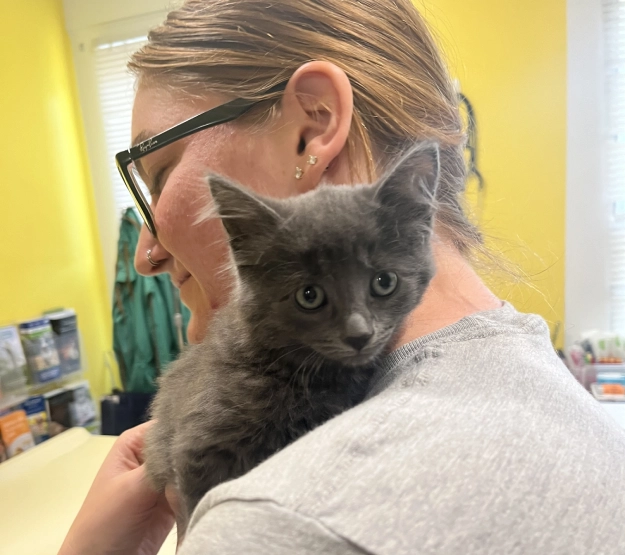
Bringing home a new pet is an exciting time, and we want to help set your furry friend up for a long, happy, and healthy life. That’s why we recommend scheduling a wellness exam as soon as possible. Some pets may feel anxious about visiting the vet, and that's perfectly normal! The earlier you bring them in, the more comfortable and less stressed they’ll likely be. For your new puppy or kitten, we strongly recommend two important services: the spay/neuter procedure and microchipping.
Puppy Wellness Exams
We recommend scheduling wellness exams for your puppy at 8 weeks, 12 weeks, and 16 weeks. These visits are essential for monitoring your puppy's growth and ensuring they are on track for a long, happy, and healthy life.
During these puppy wellness visits, we will conduct a full physical examination, perform a fecal exam, and administer the necessary core and non-core vaccinations based on your pet’s needs.
Puppy Vaccinations
Vaccines play a crucial role in protecting your puppy from life-threatening illnesses, especially given their developing immune systems.
Until your puppy has completed their vaccination schedule, it’s important to be mindful of where you take them. To reduce the risk of exposure to diseases, avoid places where other dogs frequent, such as dog parks, kennels, and groomers.
Core vaccines, which are essential for all dogs, include Distemper, Hepatitis, Parainfluenza, Parvovirus, Rabies, and Leptospirosis. Non-core vaccines, like Bordetella (kennel cough) and Canine Influenza, may be recommended based on your puppy’s lifestyle, risk of exposure, and health condition.
For more information on keeping your pets safe with vaccines, click here.
Kitten Wellness Exams
Kitten wellness exams should be scheduled at 8 weeks, 12 weeks, and 16 weeks. These regular visits help us monitor your kitten’s growth, prevent illness, and detect any parasites early.
A typical kitten exam includes a thorough physical check-up, a fecal exam, vaccine recommendations, and screenings for common health conditions in kittens.
Kitten Vaccinations
Before your kitten is fully vaccinated, it’s best to keep them away from other cats or pets to minimize the risk of disease.
Core vaccines are essential for all cats, no matter their living situation or health status. These include Distemper, Rhinotracheitis, Calicivirus, and Rabies. Non-core vaccines are recommended based on your cat's lifestyle, health conditions, and exposure risks.
To learn more about how vaccines can help keep your pet safe, click here.
Multi-Cat Households
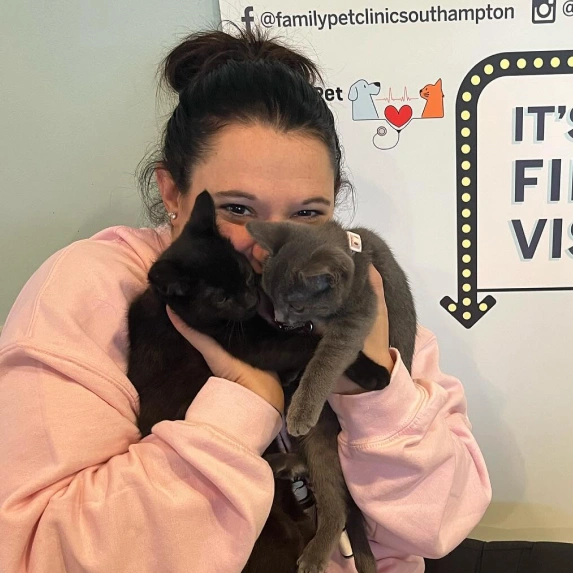
If you have other cats at home, we recommend testing your new kitten for Feline Leukemia Virus (FeLV) and Feline Immunodeficiency Virus (FIV) before introducing them to the other cats.
Cats are naturally territorial, so we suggest a gradual introduction to the new kitten. Start by keeping them in separate rooms for at least a week, allowing them to smell and get used to each other’s scent under the door. Afterward, place the kitten in a carrier so the other cats can see and smell them. Once they’ve become familiar with each other, you can allow them to interact under supervision.
Feel free to reach out if you have any questions or need advice on introducing your new kitten to your other cats!
Spay/Neuter Procedure
Having your pet spayed or neutered provides numerous health benefits and behavioral advantages. At Family Pet Clinic, our experienced medical team strongly recommends the spay/neuter procedure for all of our patients.
We understand the importance of this procedure, which is why we come fully prepared. Your pet’s safety is our top priority. Our skilled team is trained to perform the procedure with the following practices to ensure a smooth and safe experience:
- Pre-surgical bloodwork
- Properly dosed anesthesia
- Pain management
- Advanced surgical monitoring equipment
- Technician monitoring
- IV fluids
What is Spay/Neuter Procedure?
Spaying is a procedure for female pets that involves the removal of the ovaries and uterus (ovariohysterectomy).
Neutering (or castration) is for male pets and involves the removal of the testicles. Don’t worry-it may sound more intimidating than it actually is!
Benefits of Spay/Neuter Procedure
The spay/neuter procedure provides numerous health benefits for your pet. It helps prevent serious health issues, reduces unwanted aggression and sexual behaviors, and eliminates the possibility of unwanted litters.
Spaying female pets prevent:
- The urge to roam
- Aggressive behaviors
- Messy heat cycles
- Urine marking
- Uterine and mammary issues, including cancer and infections
- Unwanted litters
- Howling
Neutering male pets prevents:
- The urge to roam
- Aggressive behaviors
- Urine marking
- Testicular cancer and prostate disease
- Unwanted litters
Spaying and neutering also benefit the broader pet population. By preventing pets from having litters, it helps reduce overcrowding in shelters, ultimately creating more opportunities for other pets to be adopted into loving homes.
Common Myths
My pet will gain weight.
This is a common misconception. Weight gain is generally a result of growth and diet, not the spay/neuter procedure. The procedure itself does not cause pets to gain weight.
Female pets need to complete a heat cycle before being spayed.
This is a myth! There is no clinical evidence supporting the need for a heat cycle before spaying. In fact, waiting longer can increase the risk of mammary tumors.
Male pets’ personalities change after being neutered.
Your pet’s core personality remains the same. Neutering typically reduces aggression and urine marking, but their unique traits will not change.
Microchipping
At Family Pet Clinic, we understand that accidents happen. Each year, one out of every three pets goes missing, gets lost, or is stolen—approximately 10 million pets annually!
That's why we strongly recommend reliable pet identification, and microchipping is one of the best solutions. It significantly increases the chances of your pet returning home if lost or stolen. Microchips can be inserted at any age, but the sooner, the better!
The microchipping process is quick, simple, and painless. It can easily be done during other visits, such as a routine wellness check or dental cleaning. Once inserted, you can update your contact details in the national online database. If you move or change contact information, just update it online.
Each microchip has a unique serial number. If your pet is found, shelters or clinics can use a special scanner to retrieve the information and contact you, the rightful owner.
While microchips are a great tool, we also recommend using collars and ID tags as additional forms of identification. Though not foolproof, they provide extra security to help reunite you with your pet if they ever go missing.