278 Easton Rd, Horsham, PA 19044, United States

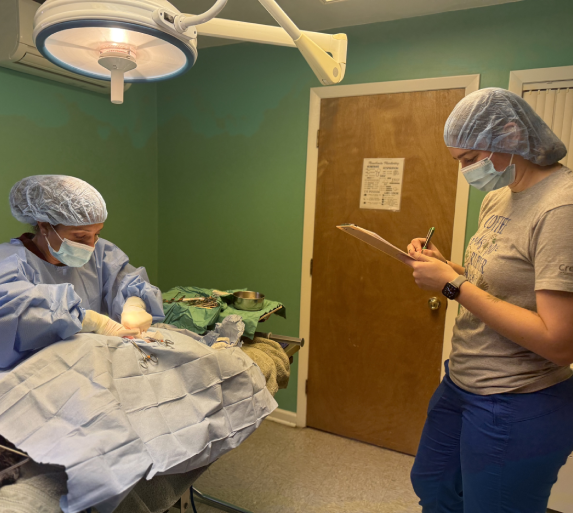

Compassionate and Safe Pet Surgery
At Family Pet Clinic, we prioritize the safety and success of every surgical procedure. We understand that surgery can cause anxiety, so we ensure open communication about the best surgical options for your pet. From start to finish, we keep you informed and involved, making sure you feel comfortable and confident every step of the way.
General & Advanced Surgery
Before surgery, we’ll schedule a meeting with you to discuss the best surgical options for your pet. During this visit, we will also conduct bloodwork to ensure the proper sedation for your pet. This is your time to ask any questions and address any concerns you may have.
During surgery, your pet will be closely monitored by a skilled veterinary technician who will keep track of their vitals and manage pain during and after the procedure.
After surgery, post-surgery, your pet will be carefully observed. In some cases, they can go home the same day, but others may need to stay overnight for closer monitoring. Before your pet heads home, we’ll go over detailed aftercare instructions to ensure a smooth recovery.
Our medical team has in-depth experience with all of the following procedures below:
- Spay/Neuter Procedure This procedure involves the removal of reproductive organs to protect your pet from diseases, reduce territorial and aggressive behavior, and prevent unwanted pregnancies. It’s a common procedure for household dogs and cats.
- Soft-Tissue Surgery This category includes procedures such as spay/neuter, mass removal, trauma and laceration repair, hernia repair, and bladder stone removal. It covers any surgery not involving the bone structure.
- Surgical Oncology For pets diagnosed with cancer, surgical oncology is often recommended. The goal is to stop or slow the spread of cancer, as well as improve your pet's overall quality of life.
- Mass Removal If a lump or bump is found, mass removal is recommended. We’ll conduct tests to determine whether the mass is cancerous. If it is benign but causes discomfort, we will recommend removal.
- Gastrointestinal Procedures These surgeries are performed to address issues in the stomach and gastrointestinal tract, often prompted by symptoms like vomiting, weight loss, diarrhea, bloating, and loss of appetite.
- Splenectomy Surgery This involves the removal of the spleen and is typically a last resort when other treatments aren’t effective.
- Foreign Body Removal If your pet swallows a foreign object that cannot pass naturally, this surgery is necessary to safely remove it.
- C-sections A cesarean section is performed to help female pets deliver their litters safely when natural delivery isn’t possible.

Spay/Neuter Procedure
Spaying or neutering your pet provides many health benefits as well as positive behavioral changes. At Family Pet Clinic, our medical team and expert veterinarians strongly recommend the spay/neuter procedure for all pets.
Given the significance of this procedure, Family Pet Clinic ensures your pet's safety is our top priority. Our skilled team is thoroughly trained to carry out this procedure, using best practices such as:
- Pre-surgical blood tests
- Accurate anesthesia dosing
- Comprehensive pain management
- State-of-the-art surgical monitoring tools
- Continuous technician supervision
- IV fluid administration
What is Spay/Neuter Procedure?
Spaying is a procedure for female pets involving the removal of the ovaries and uterus (ovariohysterectomy).
Neutering (Castration) is for male pets and involves the removal of the testicles. While it may sound intimidating, the procedure is straightforward and routine.
Benefits of Spay/Neuter Procedure
The spay/neuter procedure offers a range of health benefits for your pet. It helps prevent serious health issues, reduces unwanted behaviors like aggression and sexual activity, and eliminates the risk of unwanted litters.
Spaying female pets prevent:
- The urge to roam
- Aggressive behaviors
- Messy heat cycles
- Urine marking
- Uterine and mammary issues, including cancer and infections
- Unwanted litters
- Howling
Neutering male pets prevents:
- The urge to roam
- Aggressive behaviors
- Urine marking
- Testicular cancer and prostate disease
- Unwanted litters
Additionally, spaying and neutering contribute positively to the overall pet population. By preventing unwanted litters, it helps reduce overcrowding in shelters, giving more animals the chance to find loving homes!
Common Myths
My pet will gain weight.
This is a common misconception. The spay/neuter procedure itself does not cause weight gain. Weight gain is typically due to overfeeding or lack of exercise, which can be managed with proper diet and activity levels after the procedure.
Female pets need to complete a heat cycle before being spayed.
This is a myth. There is no clinical evidence supporting the idea that pets need to complete a heat cycle before being spayed. In fact, spaying before the first heat cycle can significantly reduce the risk of mammary tumors and other reproductive health issues.
Male pets’ personalities change after being neutered.
This is a misconception. While your pet’s personality will remain the same, neutering can reduce unwanted behaviors such as aggression and urine marking. It can also help improve their focus and overall temperament.
Pain Management
Pain management plays a vital role in veterinary care. As veterinarians, our goal is to support your pet in every way possible-not only through physical healing but also by addressing their emotional and psychological well-being.
Pain can be categorized into two main types: acute and chronic. Each type affects pets differently, so the approach to pain management and treatment must be tailored accordingly to best suit your pet's needs.
Acute Pain
Acute pain is usually caused by an injury or a surgical procedure. This type of pain is sudden and sharp, but it is often temporary and can be managed effectively within six months or less. Before performing any surgical procedures here at Family Pet Clinic, we take comprehensive measures to minimize any potential acute pain your pet may experience before, during, and after the procedure.
Chronic Pain
Chronic pain is often associated with long-term conditions like cancer, diabetes, or arthritis. Unlike acute pain, chronic pain is usually ongoing and may not be curable. While your pet may have to live with this pain, we offer a variety of management strategies to help ensure they remain as comfortable and pain-free as possible throughout their life.
Physical pain in pets can also lead to emotional distress, causing stress and even depression, much like in humans. This emotional strain can hinder the healing process or worsen the symptoms. That's why it's vital to bring your pet in for an annual check-up to catch any pain early—treating it promptly makes it easier to manage.
At Family Pet Clinic, our experienced veterinary team is skilled in identifying and treating various types of pain. If we detect any discomfort, we will work with you to develop a personalized treatment plan for your pet.
For pets undergoing surgery, receiving advanced medical treatments, or dealing with chronic pain, we offer comprehensive pain management through tailored medication plans.
Below is a list of the most common signs of pain in pets:
- Hiding or withdrawing
- Crying, whining, or howling
- Reduced grooming or neglecting grooming altogether
- Loss of appetite
- Unusual aggression or irritability
- Diarrhea or constipation
- Seeking more affection than usual
- Reluctance to be handled
- Lethargy or lack of energy
- Staying in one spot or not moving
- Restlessness or pacing
- Protecting a particular area of their body
- Shaking or trembling
- Vacant, glassy-eyed expression