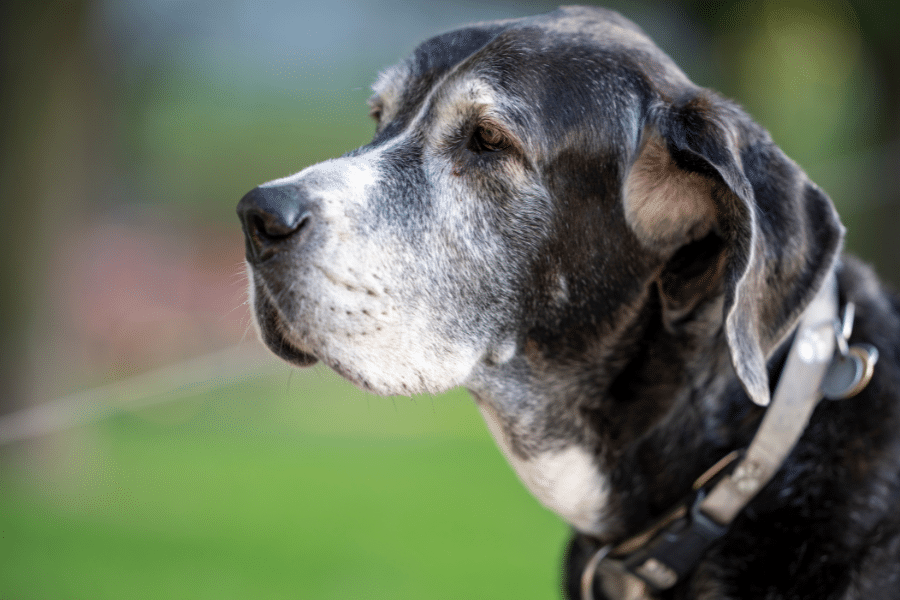
A slower walk or an extra nap can be part of normal aging, but not every change in an older dog should be dismissed as getting old. Senior dog health problems can develop gradually, and early signs may be easy to overlook. At Family Pet Clinic in Feasterville, PA, veterinarians encourage owners to watch for changes in appetite, movement, thirst, bathroom habits, behavior, and weight. Older dogs benefit from regular veterinary attention because many age-related conditions can be managed more effectively when found early. This guide covers 10 common health concerns, what signs to watch for, and when a change deserves a veterinary examination.
What Health Problems Are Common in Senior Dogs?
Common senior dog health problems include arthritis, dental disease, obesity, kidney disease, heart disease, diabetes, vision changes, hearing loss, cognitive changes, and cancer. These conditions do not affect every older dog, and some signs can overlap between different illnesses. Age itself is not a diagnosis. A gradual change may still have a treatable cause. This is because early symptoms can be subtle, routine examinations are especially useful as dogs grow older.
| Health concern | Signs you may notice |
| Arthritis | Stiffness, reluctance to climb or jump |
| Dental disease | Bad breath, chewing changes |
| Kidney disease | Increased thirst or urination |
| Heart disease | Coughing, reduced exercise tolerance |
| Diabetes | Increased thirst, urination, weight changes |
| Vision changes | Bumping into objects, hesitation |
| Cognitive changes | Confusion, altered sleep patterns |
| Cancer | New lumps, weight loss, persistent changes |
1. Arthritis and Mobility Changes
Arthritis is common in aging dogs and can cause joint pain and stiffness. You may notice that your dog takes longer to stand, avoids stairs, stops jumping onto furniture, or seems stiff after resting.
Do not assume your dog simply needs to slow down. Your veterinarian can assess mobility and discuss weight management, activity adjustments, pain control, and other supportive options.
At home, watch for changes such as:
– Difficulty getting up.
– Shorter walks.
– Reluctance to use stairs.
– Changes in posture.
– Irritability when touched around painful areas.
Small changes can provide useful information, so keep notes if your dog’s mobility changes over several weeks.
2. Dental Disease
Dental disease can become more significant with age. Plaque and tartar can contribute to inflamed gums, painful teeth, and difficulty chewing.
Bad breath is often the first sign owners notice, but senior dogs may also drop food, chew differently, or become reluctant to have their mouths touched.
A veterinary oral examination can identify problems that are not obvious at home. Professional dental care and consistent home care can help protect comfort and oral function.
3. Kidney Disease
Kidney problems can occur in older dogs and may initially cause few obvious signs. Increased thirst and urination are common changes, while later signs can include reduced appetite, weight loss, vomiting, or low energy.
Routine blood and urine testing may help detect kidney changes before a dog appears seriously ill. Your veterinarian can then recommend monitoring, nutrition, medication, or other care based on the findings.
If your older dog suddenly drinks far more water than usual, do not assume it is simply because of warmer weather. A persistent change deserves attention.
4. Heart Disease
Heart disease may cause coughing, reduced stamina, faster breathing, weakness, or fainting in some senior dogs. Early disease may produce no obvious signs at home.
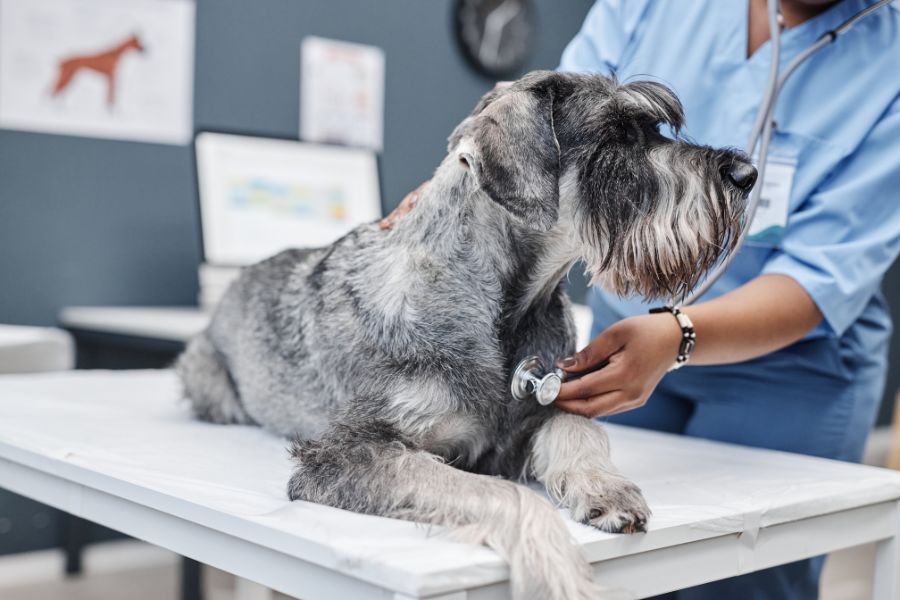
Your veterinarian may listen to the heart and lungs and recommend additional testing if an abnormality is found. Monitoring at home can also help identify changes in breathing or exercise tolerance.
Seek prompt veterinary care if your dog has significant breathing difficulty, collapses, or becomes suddenly weak.
5. Diabetes
Diabetes can cause increased thirst, increased urination, weight loss, and changes in appetite. Some dogs remain energetic early in the condition, which can make the change easy to miss.
Veterinary testing can help determine whether diabetes or another condition is responsible. Treatment usually involves a consistent daily routine and close monitoring.
Keeping track of water intake, appetite, weight, and bathroom habits can give your veterinarian valuable information.
6. Vision and Hearing Changes
Older dogs may develop reduced vision or hearing. A dog with declining vision may hesitate on stairs, bump into objects, or become less confident in unfamiliar spaces.
Hearing loss can make a dog appear less responsive when called. Avoid startling an older dog from behind and use consistent visual cues when appropriate.
Sudden vision loss, eye pain, severe redness, or a major change in behavior warrants prompt veterinary attention rather than being treated as normal aging.
7. Cognitive Changes
Some senior dogs develop changes in memory, sleep, interaction, or house-training. Signs can include nighttime restlessness, confusion, staring, getting stuck in corners, or seeming less familiar with normal routines.
These changes can have several possible causes, so a veterinary examination is important. Your veterinarian can look for medical problems that may mimic cognitive changes and discuss ways to make the home more predictable and comfortable.
8. Weight and Muscle Loss
Unplanned weight loss or loss of muscle should always get attention in an older dog. Dental disease, digestive problems, endocrine conditions, kidney disease, cancer, and other issues can affect body weight.
Regular weigh-ins make gradual changes easier to spot. Your veterinarian can assess body condition and muscle mass and determine whether diet, exercise, or further testing is needed.
9. Cancer and New Lumps
Not every lump is cancer, but new or changing growths should be checked. Pay attention to lumps that grow quickly, bleed, ulcerate, or seem painful.
Other concerning changes include unexplained weight loss, persistent low energy, appetite changes, or ongoing digestive problems. Your veterinarian may recommend sampling a growth or additional testing based on its appearance and location.
10. Urinary and Digestive Changes
Changes in urination, bowel movements, vomiting, or appetite can signal several health conditions in senior dogs. Increased urination may relate to kidney disease, diabetes, urinary problems, medications, or other causes.
A hypothetical example involved an older dog whose owner noticed more nighttime bathroom trips and assumed it was normal aging. A veterinary evaluation and laboratory testing identified a medical cause, allowing treatment to begin before the dog became more unwell.
Keep track of changes in frequency, amount, color, appetite, and stool quality. Persistent or sudden changes deserve a veterinary assessment.
Conclusion
Aging is a normal part of your dog’s life, but discomfort, weight loss, changes in thirst, mobility problems, and behavior changes should not automatically be written off as old age. Recognizing senior dog health problems early can give your veterinarian more opportunities to manage disease and protect your dog’s comfort. Searching for a veterinarian near you then Family Pet Clinic in Feasterville, PA, can help monitor your older dog’s health and investigate changes that concern you. If your senior dog is acting differently, eating less, drinking more, struggling to move, or showing another persistent change, schedule an examination to provide proper senior pet care. Regular monitoring and timely veterinary care can make the senior years more comfortable and enjoyable.
FAQs
Q1: What are the most common senior dog health problems?
A: Arthritis, dental disease, kidney disease, heart disease, diabetes, sensory changes, cognitive changes, weight loss, cancer, and urinary or digestive problems are common concerns in older dogs.
Q2: How do I know if my senior dog is sick?
A: Watch for changes in appetite, thirst, urination, weight, mobility, breathing, sleep, behavior, or energy. A persistent or sudden change should be discussed with your veterinarian.
Q3: How often should a senior dog see a veterinarian?
A: The appropriate schedule depends on your dog’s age, health history, and risk factors. Many older dogs benefit from more frequent monitoring than younger adult dogs.
Q4: Can senior dog health problems be treated?
A: Many age-related conditions can be managed with veterinary care. Treatment depends on the specific diagnosis and may include medication, nutrition changes, lifestyle adjustments, monitoring, or other therapies.
Q5: When should I take my senior dog to the vet urgently?
A: Seek prompt care for breathing difficulty, collapse, severe weakness, uncontrolled vomiting, significant bleeding, sudden major neurologic changes, or an inability to urinate.