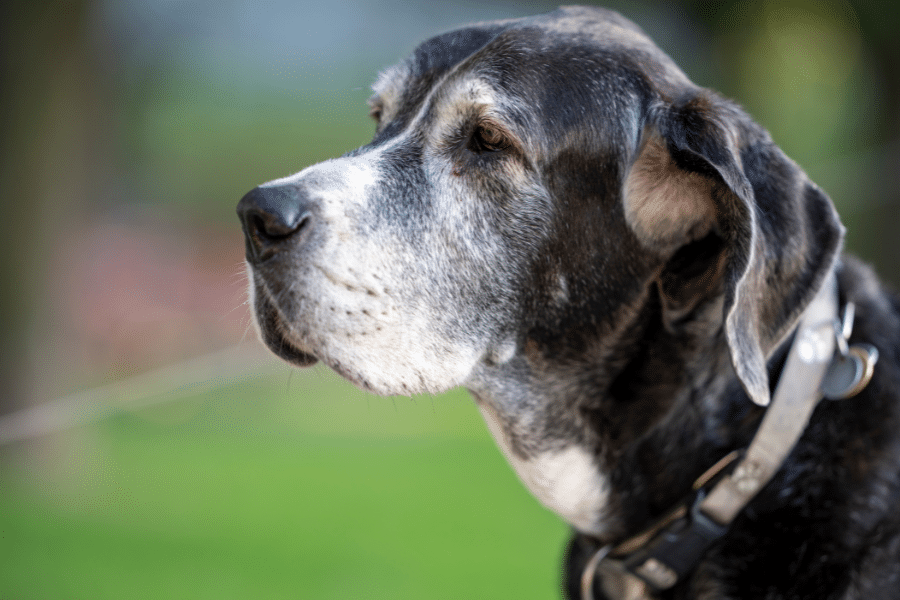
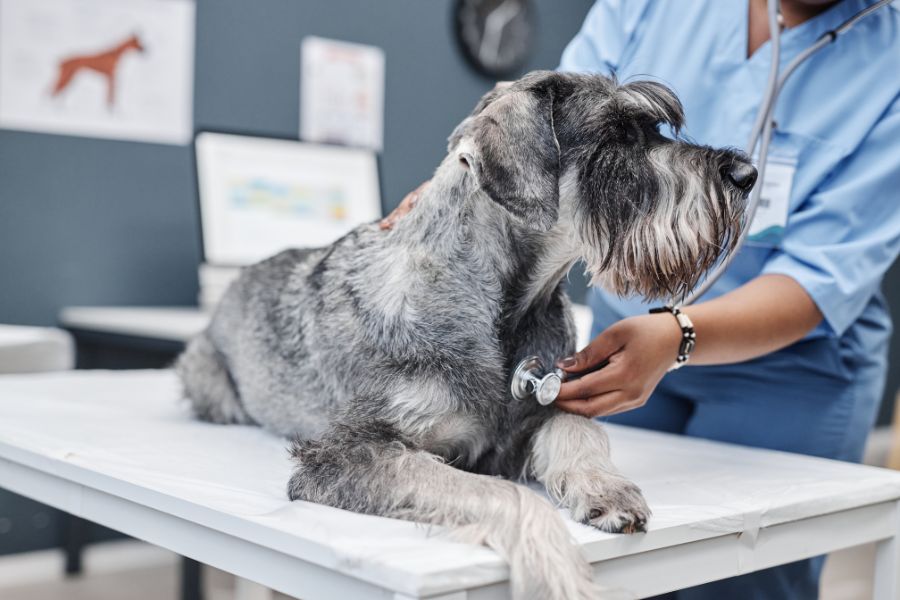
As pets grow older, their health needs begin to change in ways that are easy to miss at first. Around age 7, many dogs and cats start entering their senior years, which means they may need more frequent veterinary care, changes in diet, and closer monitoring at home. This senior pet care checklist explains what pet owners should watch for, how to support aging pets, and which preventive steps can help your companion stay comfortable and healthy for years to come.
When Is a Pet Considered a Senior?
Most dogs and cats are considered seniors around age 7, although larger dog breeds may age faster and become seniors earlier. Smaller breeds often age more slowly. Aging affects every pet differently, but there are common physical and behavioral changes that owners should expect.
Senior pets may experience:
- Lower energy levels
- Joint stiffness
- Weight gain or weight loss
- Changes in hearing or vision
- Dental disease
- Increased sleeping
- Slower recovery after activity
Recognizing these changes early is one of the most important parts of senior pet care.
Why Senior Pet Care Matters More After Age 7?
As pets age, their risk for chronic illnesses increases. Conditions like arthritis, diabetes, kidney disease, heart disease, and cognitive decline become more common in older animals. Routine wellness care helps catch these problems before they become serious.
Many diseases in senior pets develop gradually. A dog may seem “slower” because of joint pain, or a cat may avoid jumping because of arthritis. Without regular exams, these warning signs can go unnoticed.
Good senior pet care focuses on prevention, early detection, and improving quality of life.
Senior Pet Care Checklist for Aging Dogs and Cats
Schedule Veterinary Exams Twice a Year
Senior pets benefit from wellness exams every six months instead of once a year. Because pets age faster than humans, health changes can happen quickly.
During a senior wellness exam, your veterinarian may recommend:
- Bloodwork
- Urinalysis
- Blood pressure checks
- Weight monitoring
- Dental evaluations
- Mobility assessments
These screenings help identify issues early, often before symptoms appear.
Watch for Changes in Mobility
Arthritis is one of the most common health concerns in aging pets. Signs of joint pain are often subtle at first.
Look for symptoms such as:
- Difficulty climbing stairs
- Hesitation jumping onto furniture
- Limping after exercise
- Slower walking pace
- Trouble standing up
- Less interest in play
Supporting joint health may include weight management, joint supplements, prescription medications, physical therapy, or orthopedic bedding.
Maintain a Healthy Weight
Weight management becomes more important as pets get older. Extra weight puts stress on joints and can worsen conditions like arthritis and heart disease.
At the same time, unexplained weight loss can signal an underlying illness.
Tips for healthy weight control include:
- Feeding age-appropriate diets
- Measuring food portions
- Limiting high-calorie treats
- Encouraging light daily exercise
- Monitoring body condition regularly
Your veterinarian can help determine the ideal calorie intake for your senior pet.
Pay Attention to Dental Health
Dental disease is extremely common in older pets and can affect more than just the mouth. Untreated dental infections may contribute to heart, kidney, and liver problems.
Signs of dental disease include:
- Bad breath
- Drooling
- Difficulty chewing
- Loose teeth
- Pawing at the mouth
- Reduced appetite
Senior pet care should include regular dental cleanings and at-home dental hygiene when possible.
Monitor Eating and Drinking Habits
Changes in appetite or thirst are often early warning signs of disease in senior pets.
Contact your veterinarian if your pet experiences:
- Increased drinking
- Frequent urination
- Loss of appetite
- Sudden food cravings
- Vomiting
- Diarrhea
These symptoms may indicate diabetes, kidney disease, thyroid problems, or digestive disorders.
Keeping track of daily habits helps owners notice subtle changes sooner.
Support Cognitive Health in Senior Pets
Just like people, pets can experience age-related cognitive decline. Some older dogs and cats develop confusion, anxiety, or disrupted sleep patterns.
Signs of cognitive dysfunction may include:
- Wandering aimlessly
- Staring at walls
- Forgetting house training
- Increased vocalization
- Confusion at night
- Reduced interaction with family
Mental stimulation can help support brain health. Puzzle toys, gentle training exercises, and maintaining routines may improve cognitive function.
Adjust Exercise for Aging Pets
Senior pets still need exercise, but their activity should match their physical abilities.
Low-impact exercise helps:
- Maintain muscle mass
- Support joint flexibility
- Prevent obesity
- Improve mental health
Good activities for older pets include:
- Short walks
- Swimming
- Gentle play sessions
- Controlled indoor activity
Avoid overexertion, especially in hot weather or for pets with arthritis or heart conditions.
Create a Comfortable Home Environment
Small adjustments at home can make life much easier for aging pets.
Helpful changes may include:
- Orthopedic pet beds
- Non-slip rugs on slippery floors
- Pet ramps or stairs
- Elevated food and water bowls
- Easy access to litter boxes
- Quiet resting areas
Comfort-focused care plays a major role in senior pet care and quality of life.
Keep Vaccinations and Preventive Care Current
Some owners mistakenly believe older pets no longer need preventive care. In reality, senior pets often have weaker immune systems and may be more vulnerable to illness.
Important preventive care includes:
- Vaccinations
- Flea and tick prevention
- Heartworm prevention
- Parasite screenings
- Routine blood testing
Your veterinarian may adjust vaccine schedules based on your pet’s lifestyle and health status.
Common Health Problems in Senior Pets
Arthritis
Joint inflammation can cause chronic pain and reduced mobility.
Kidney Disease
Common, especially in older cats, kidney disease may cause increased thirst and weight loss.
Heart Disease
Older pets can develop heart murmurs or congestive heart failure.
Diabetes
Symptoms often include increased thirst, urination, and appetite changes.
Cancer
Cancer risk increases with age, making regular exams especially important.
Vision and Hearing Loss
Senior pets may become startled more easily or struggle navigating familiar spaces.
Early diagnosis improves treatment options and comfort for many of these conditions.
Nutrition Tips for Senior Pet Care
Older pets often require diets tailored to their changing metabolism and health needs.
Senior pet diets may include:
- Controlled calorie levels
- Increased fiber
- Joint-support nutrients
- Easily digestible proteins
- Omega-3 fatty acids
Avoid changing diets suddenly without veterinary guidance. Some pets with kidney disease, diabetes, or food sensitivities may need prescription nutrition plans.
Signs Your Senior Pet Should See a Vet Immediately
While gradual aging is normal, some symptoms require prompt medical attention.
Call your veterinarian if your senior pet has:
- Difficulty breathing
- Collapse or fainting
- Sudden inability to walk
- Severe vomiting or diarrhea
- Refusal to eat for over 24 hours
- Signs of severe pain
- Blood in urine or stool
- Seizures
Quick treatment can prevent complications and improve outcomes.
How to Improve Quality of Life for Senior Pets?
Senior pets thrive when owners stay proactive about their health and comfort. Small daily habits can make a major difference.
Focus on:
- Consistent routines
- Comfortable sleeping areas
- Gentle exercise
- Mental stimulation
- Regular veterinary visits
- Monitoring behavior changes
Aging does not automatically mean poor quality of life. Many senior pets remain happy and active with the right support.
Conclusion
Caring for an aging pet means paying closer attention to their physical and emotional needs. With regular exams, proper nutrition, pain management, and preventive care, senior pets can continue living comfortable and fulfilling lives well beyond age 7. If you have questions about senior pet care or want to schedule a wellness exam, contact the vet near you at Family Pet Clinic in Horsham, PA, for guidance tailored to your pet’s needs.
FAQs
Q1: At what age is a dog considered a senior?
Ans: Most dogs are considered seniors around age 7, although large breeds may reach senior status earlier than small breeds.
Q2: How often should senior pets visit the vet?
Ans: Senior pets should ideally have wellness exams every six months to monitor for age-related health changes.
Q3: What are common signs of aging in pets?
Ans: Common signs include slower movement, increased sleeping, weight changes, dental problems, and reduced hearing or vision.
Q4: Can senior pets still exercise regularly?
Ans: Yes, senior pets benefit from gentle, low-impact exercise that supports joint health and maintains muscle strength.
Q5: Why is bloodwork important for senior pet care?
Ans: Routine bloodwork helps detect diseases like kidney disease, diabetes, and liver problems before visible symptoms appear.