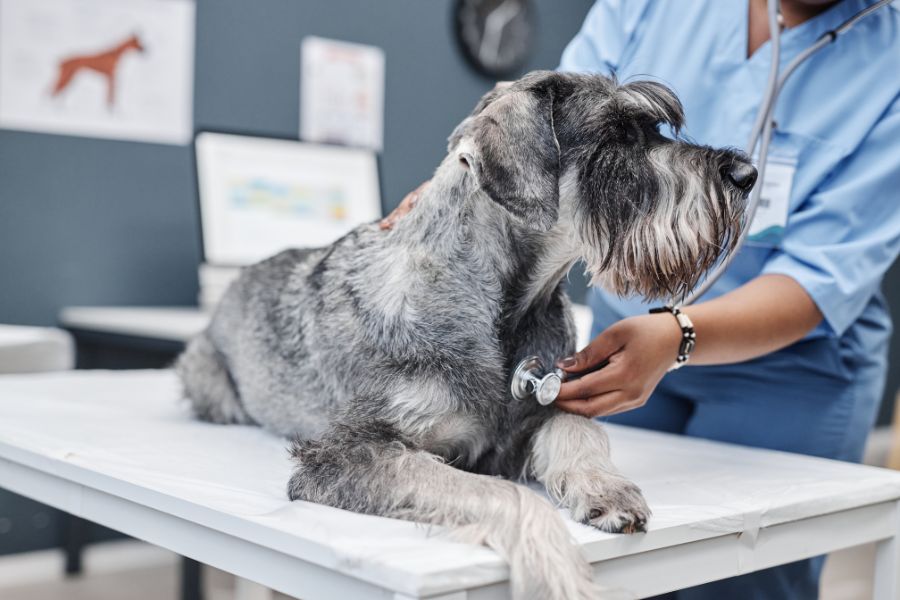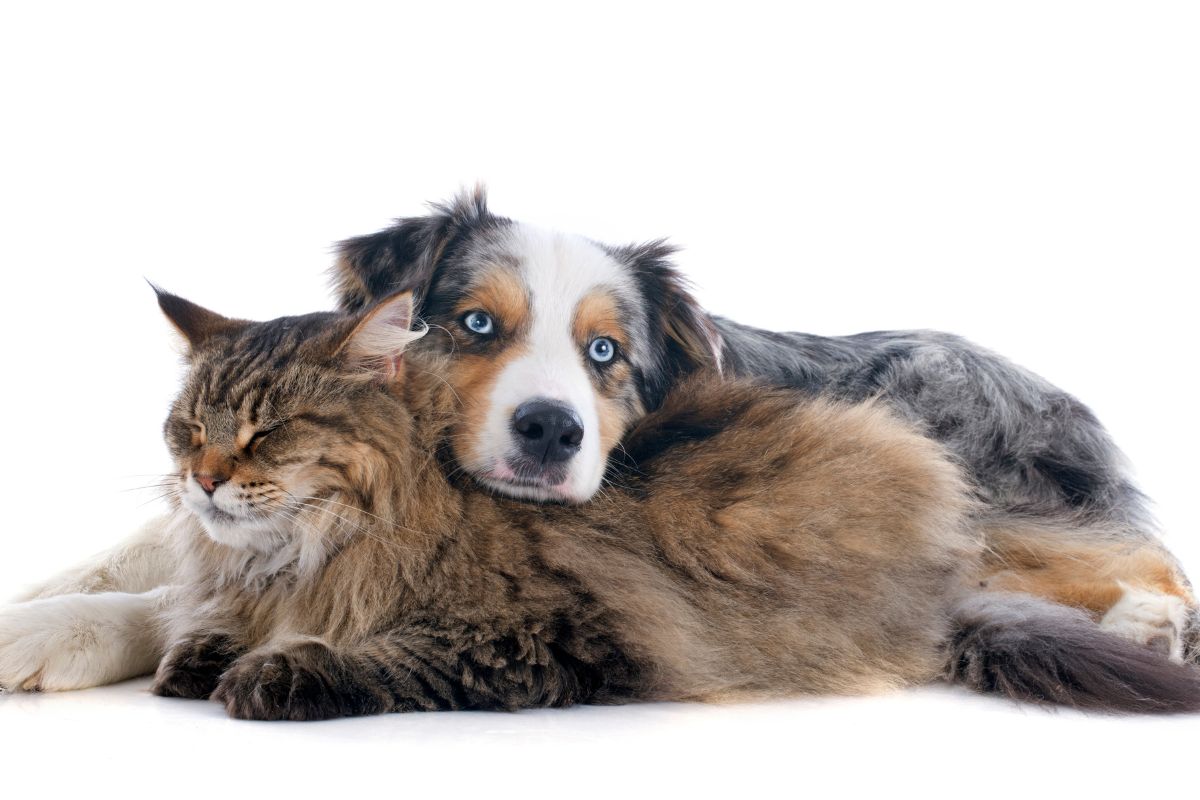
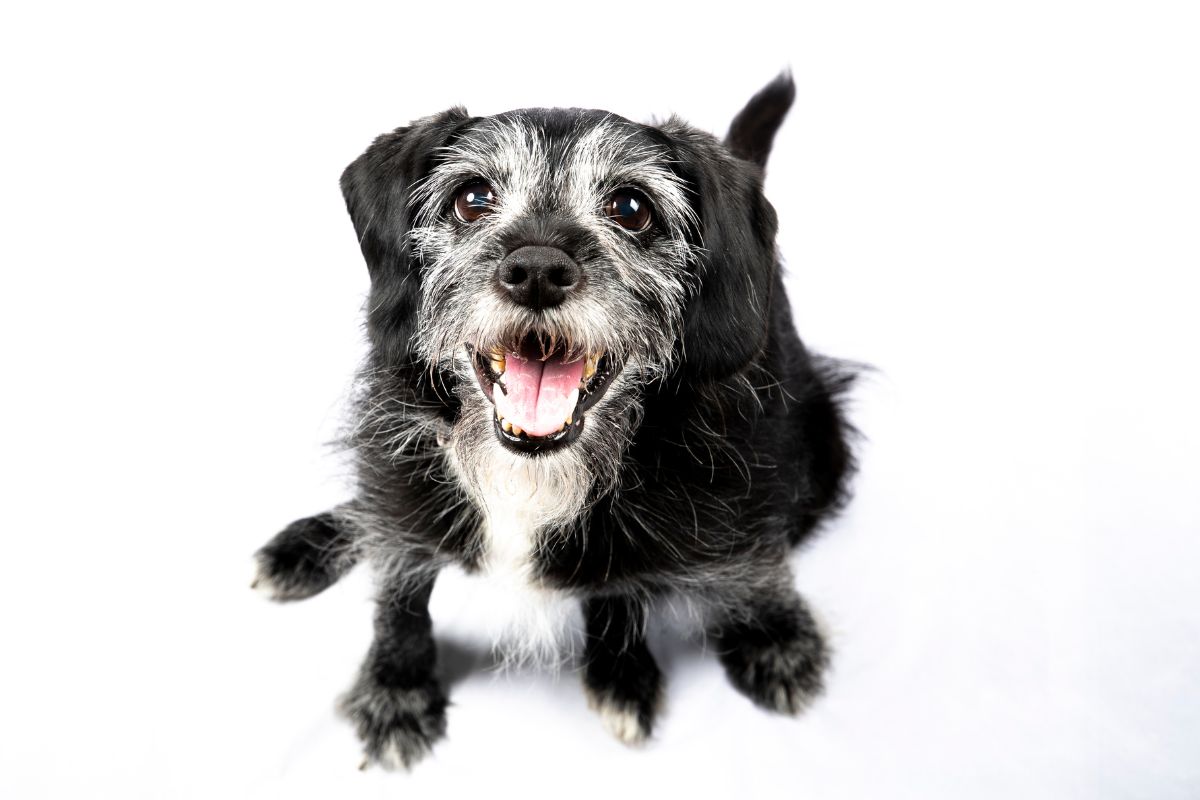
As our beloved pets gracefully enter their golden years, their needs evolve, including their grooming routine. What once was a quick bath and brush might now require a little more patience, a softer touch, and a keen eye for their changing comfort levels.
Senior pet grooming isn’t just about keeping them looking good; it’s a vital part of their overall health and well-being, helping to prevent discomfort, skin issues, and even detect potential health problems early.
So, grab a comfy spot, with your senior snoozing beside you, and let’s dive into some essential tips for keeping your aging furry friend happy, healthy, and impeccably groomed.
The Gentle Art of Brushing: Beyond Just Looks
Brushing your senior pet is the most fundamental aspect of their grooming, and it’s a wonderfully bonding experience. For older animals, regular brushing helps prevent matting, which can be incredibly painful and cause discomfort by pulling at their sensitive skin. It also distributes natural oils, keeping their coat healthy and shiny.
- Go Soft and Slow: Their skin might be thinner and more delicate, and they may have arthritis or other joint pain. Use a soft-bristled brush or a grooming mitt. Avoid harsh pulling or tugging.
- Short and Sweet Sessions: Rather than one long session, opt for several shorter ones throughout the week. This is less taxing on their joints and attention span.
- Look for Lumps and Bumps: Brushing is an excellent opportunity to perform a mini-health check. Gently feel for any new lumps, bumps, or tender spots that might warrant a vet visit.
- Combat Shedding (Gently!): Senior pets often shed more. Regular, gentle brushing can help manage this, reducing hair around your home and preventing hairballs, especially in cats.
Bath Time Blues? Making it a Breeze
Bathing a senior pet can be a bit more challenging due to mobility issues or anxiety. The key is to make it as stress-free and comfortable as possible.
- Warm Water is Your Friend: Ensure the water is comfortably warm, not hot. Cold water can chill them, and hot water can scald their delicate skin.
- Non-Slip Surfaces are a Must: Place a non-slip mat in the tub to prevent slips and falls, which can be terrifying and painful for an older animal.
- Support and Stability: If your pet struggles to stand, consider a sling or gentle support from another person. Never leave them unattended.
- Hypoallergenic & Moisturizing Shampoos: Their skin can become drier and more sensitive. Opt for gentle, tear-free, hypoallergenic shampoos, perhaps with moisturizing properties.
- Thorough Drying: Dry them thoroughly, especially in colder weather. Senior pets are more susceptible to chills. Use a soft towel and, if using a hairdryer, ensure it’s on a low, cool setting and held at a safe distance.
Nail Care: More Than Just a Trim
Overgrown nails can cause significant discomfort and even lead to serious health issues for senior pets. They can alter their gait, put pressure on joints, and even grow into their paw pads.
- Frequent, Small Trims: It’s better to trim a small amount more frequently than to try and do a big trim less often. This reduces the risk of cutting the quick.
- Sharp Clippers Are Key: Dull clippers can cause damage to the nail, resulting in pain. Invest in sharp, good-quality clippers.
- Positive Reinforcement: Make nail trims a positive experience with treats and praise. If your pet is highly resistant, consult your vet or a professional groomer.
- Dewclaw Diligence: Don’t forget the dewclaws! These don’t wear down naturally and can easily become overgrown and painful if not trimmed.
Ear & Eye Care: Keeping Senses Sharp
As pets age, their ears and eyes can become more prone to issues. Regular cleaning and inspection are crucial.
- Gentle Ear Cleaning: Check their ears regularly for wax buildup, odor, or redness. Use a veterinarian-approved ear cleaner and cotton balls (never cotton swabs deep in the ear canal). If you notice excessive debris or a strong odor, consult your vet.
- Wipe Away Eye Gunk: Gently wipe away any discharge or “sleepies” from around their eyes with a soft, damp cloth. Use a separate part of the cloth for each eye to prevent the potential spread of infection.
- Watch for Changes: Be alert for any changes in their eyes, such as cloudiness, redness, or excessive tearing, which could indicate a medical condition.
The Professional Touch: When to Call the Groomer
While at-home grooming is essential, sometimes a professional groomer is the best option, especially for senior pets. They possess the experience, specialized equipment, and gentle touch often required for older animals. Suppose you have concerns about your pet’s overall health during grooming. In that case, a visit to a place like Southampton Vet Hospital can provide expert advice and ensure your senior pet is comfortable and safe. Discuss your pet’s specific needs, limitations, and any health concerns with the groomer beforehand.
Senior pet care in Southampton, PA, encompasses a holistic approach to their well-being, and grooming plays a significant role in maintaining their quality of life. By adapting your routine, practicing patience, and keeping a watchful eye, you can ensure their golden years are as comfortable, clean, and cuddly as possible. They’ve given us so much; now it’s our turn to return the favor, one gentle brush stroke at a time.
Family Pet Clinic Southampton is here to guide you through every stage of your pet’s life, especially their golden years. With consistent care and attention, you can ensure your furry companion continues to feel loved, clean, and comfortable—one thoughtful brushstroke at a time.