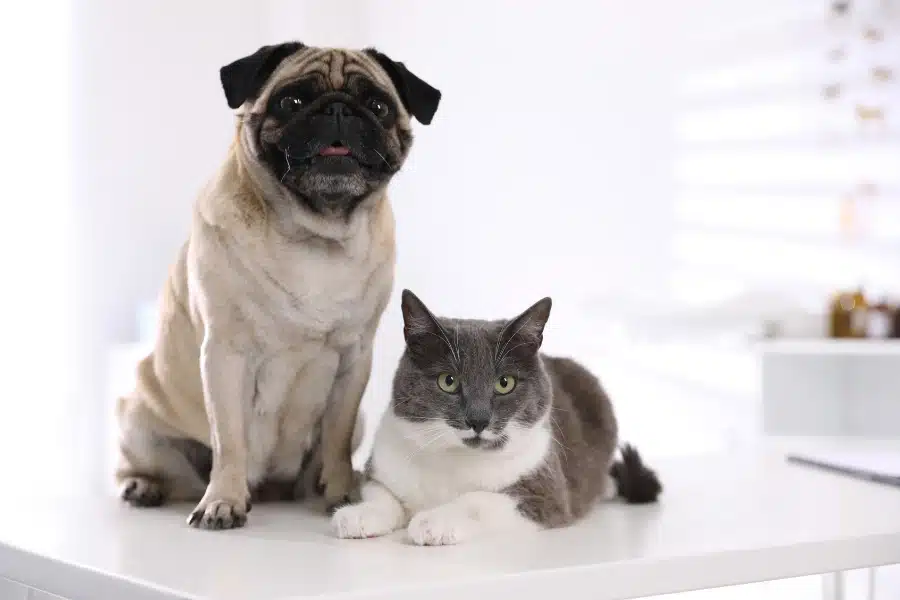
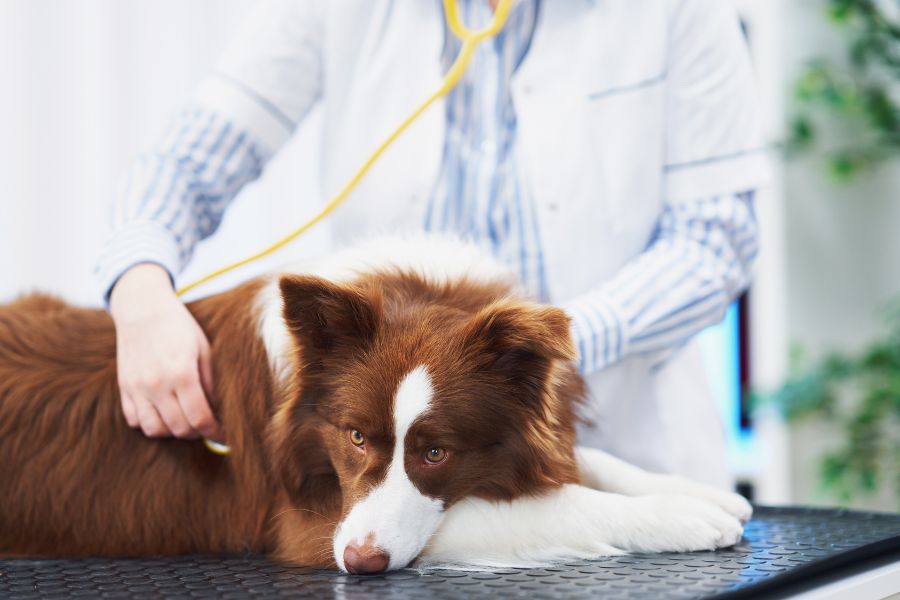
Regular veterinary care is one of the most important parts of keeping your pet healthy at every age. From puppy and kitten vaccinations to senior wellness screenings, the frequency of a vet visit changes throughout your pet’s life. Knowing when to schedule exams can help detect health problems early, improve the quality of life, and even extend your pet’s lifespan.
In this guide, you’ll learn how often dogs and cats should see the veterinarian during each life stage, what happens during routine wellness visits, and which warning signs mean your pet should be seen sooner.
Why Routine Vet Visits Matter?
Many pet owners wait until their pet is sick before scheduling an appointment. While emergency care is important, preventive veterinary care helps catch problems before they become serious and expensive.
Routine vet visits help with:
- Early disease detection
- Vaccinations and parasite prevention
- Dental health monitoring
- Weight management
- Nutrition guidance
- Behavioral concerns
- Age-related screenings
Pets age much faster than humans, which means health changes can happen quickly. A yearly exam for a pet is similar to several years of medical changes in people.
How Often Should Puppies and Kittens Visit the Vet?
Young pets need the most frequent veterinary visits during their first year of life. Puppies and kittens are still developing their immune systems and require a series of vaccines and wellness checks.
Recommended Vet Schedule for Puppies and Kittens
Most puppies and kittens should visit the vet every 3 to 4 weeks until they are around 16 weeks old.
These early appointments typically include:
- Core vaccinations
- Deworming treatments
- Flea and tick prevention
- Growth monitoring
- Nutrition recommendations
- Behavioral guidance
- Spay and neuter discussions
Common Vaccines for Puppies
Dogs usually receive vaccines for:
- Rabies
- Distemper
- Parvovirus
- Adenovirus
Common Vaccines for Kittens
Cats commonly receive vaccines for:
- Rabies
- Feline distemper
- Feline herpesvirus
- Calicivirus
Frequent visits during this stage also help pets become comfortable with the veterinary environment, reducing stress later in life.
How Often Should Adult Pets Go to the Vet?
Once pets reach adulthood, many healthy dogs and cats only need annual wellness exams. However, the exact schedule depends on breed, lifestyle, and overall health.
Healthy Adult Dogs and Cats
Most adult pets between 1 and 7 years old should see the vet once a year for a complete wellness exam.
Annual visits often include:
- Full physical examination
- Vaccine updates
- Parasite testing
- Heartworm screening
- Dental evaluations
- Weight and nutrition assessments
Even if your pet appears healthy, annual exams are essential because many diseases develop gradually without obvious symptoms.
Pets With Chronic Conditions
Pets with ongoing medical conditions may need more frequent veterinary care.
Conditions that often require extra monitoring include:
- Allergies
- Diabetes
- Arthritis
- Heart disease
- Kidney disease
- Obesity
Your veterinarian may recommend visits every 3 to 6 months, depending on the condition and treatment plan.
How Often Should Senior Pets Visit the Vet?
Senior pets need more frequent checkups because aging increases the risk of chronic disease. Most dogs and cats are considered seniors around age 7, although larger dog breeds may age faster.
Recommended Senior Vet Schedule
Senior pets should typically see the vet every 6 months.
Twice-yearly exams help monitor changes that can develop quickly in older animals.
Common Senior Pet Health Concerns
Veterinarians often screen senior pets for:
- Arthritis
- Kidney disease
- Liver disease
- Cancer
- Diabetes
- Vision and hearing loss
- Cognitive decline
- Dental disease
Routine bloodwork and diagnostic testing become more important during this stage because many illnesses are easier to manage when caught early.
What Happens During a Routine Vet Exam?
Many pet owners wonder what actually happens during a wellness appointment. A routine exam is much more than vaccines.
Physical Examination
Your veterinarian will check:
- Eyes and ears
- Teeth and gums
- Skin and coat
- Heart and lungs
- Weight and body condition
- Joints and mobility
- Abdomen and internal organs
Preventive Care
Your pet may also receive:
- Vaccinations
- Parasite prevention
- Diagnostic screenings
- Nail trims
- Dental recommendations
Discussion With the Vet
This is also the time to discuss:
- Diet changes
- Exercise routines
- Behavioral concerns
- Medication questions
- New symptoms or habits
Open communication helps your veterinarian provide the best possible care.
Signs Your Pet Should See the Vet Sooner
Even with regular wellness visits, some symptoms should never be ignored. Contact your vet if your pet shows sudden or unusual changes.
Warning Signs in Dogs and Cats
Watch for symptoms such as:
- Loss of appetite
- Vomiting or diarrhea
- Weight loss
- Excessive thirst
- Difficulty walking
- Coughing or breathing problems
- Changes in bathroom habits
- Bad breath
- Lumps or bumps
- Lethargy
Behavioral changes can also indicate illness. Pets often hide discomfort, so subtle changes matter.
The Importance of Preventive Veterinary Care
Preventive care is often more affordable and effective than treating advanced disease. Routine vet visits help protect both your pet’s health and your finances.
Benefits of Preventive Care
- Reduces risk of serious illness
- Improves lifespan and quality of life
- Helps avoid emergency visits
- Supports healthier aging
- Keeps vaccinations current
Preventive care also helps create a long-term medical history, making it easier to identify changes over time.
How to Make Vet Visits Less Stressful?
Some pets become anxious during veterinary appointments. A few simple steps can make visits easier for everyone.
Tips for Dogs
- Bring favorite treats
- Use positive reinforcement
- Exercise before the appointment
- Stay calm and relaxed
Tips for Cats
- Leave the carrier out at home before visits
- Use familiar blankets or toys
- Cover the carrier with a towel during travel
- Avoid loud environments
Regular visits from a young age can greatly reduce fear and anxiety later in life.
How Often Do Indoor Pets Need Vet Visits?
Many people assume indoor pets do not need regular veterinary care, but that is not true.
Indoor pets can still develop:
- Dental disease
- Obesity
- Arthritis
- Kidney disease
- Diabetes
- Parasites
Cats that stay indoors especially benefit from routine wellness exams because they are experts at hiding illness.
Conclusion
The right veterinary schedule depends on your pet’s age, health status, and lifestyle. Puppies and kittens need frequent visits during their first year, healthy adult pets usually need yearly exams, and senior pets often benefit from checkups every six months. Staying consistent with preventive care helps catch health issues early and keeps your pet healthier for years to come. If your pet is due for a wellness exam, contact Family Pet Clinic in Horsham, PA to schedule an appointment and keep your furry companion on the path to lifelong health.
FAQs
Q1: How often should a healthy dog go to the vet?
Ans: Most healthy adult dogs should visit the vet once a year for a wellness exam, vaccinations, and preventive care.
Q2: Do indoor cats really need annual vet visits?
Ans: Yes, indoor cats still need yearly exams to monitor their health and detect hidden conditions early.
Q3: At what age is a pet considered a senior?
Ans: Most pets are considered seniors around age 7, although larger dog breeds may age sooner.
Q4: What is included in a routine vet wellness exam?
Ans: A routine vet visit typically includes a physical exam, vaccines, parasite screening, weight evaluation, and preventive health recommendations.
Q5: How can I tell if my pet needs emergency veterinary care?
Ans: Signs like difficulty breathing, repeated vomiting, seizures, collapse, or severe injuries require immediate veterinary attention.