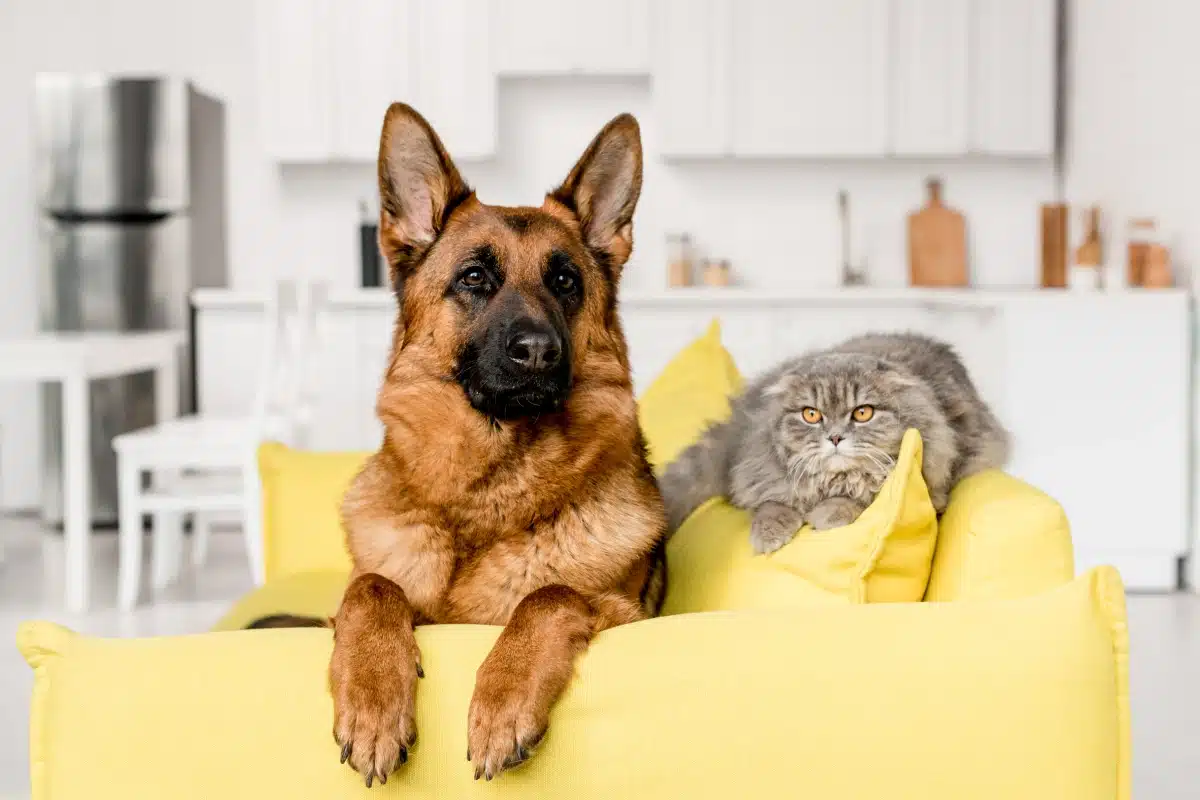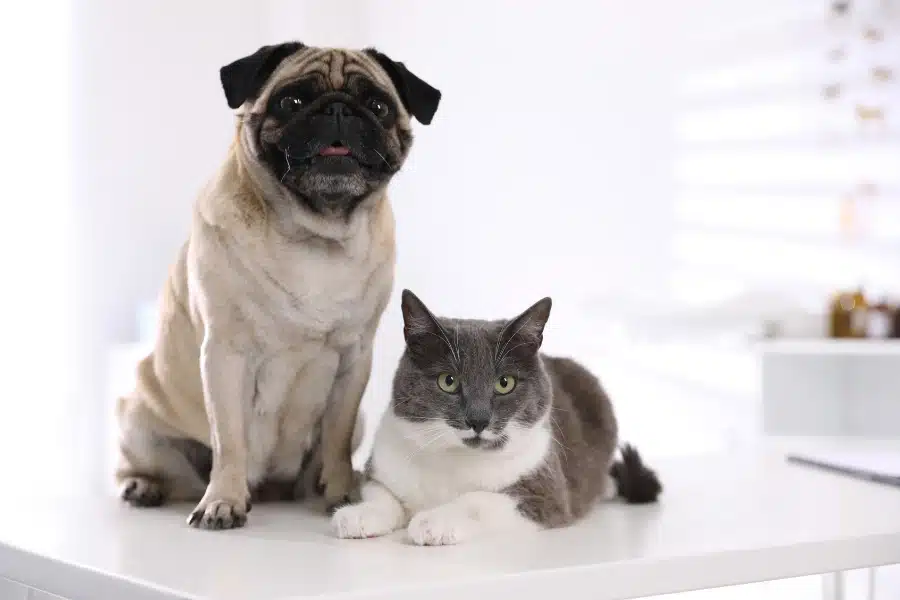
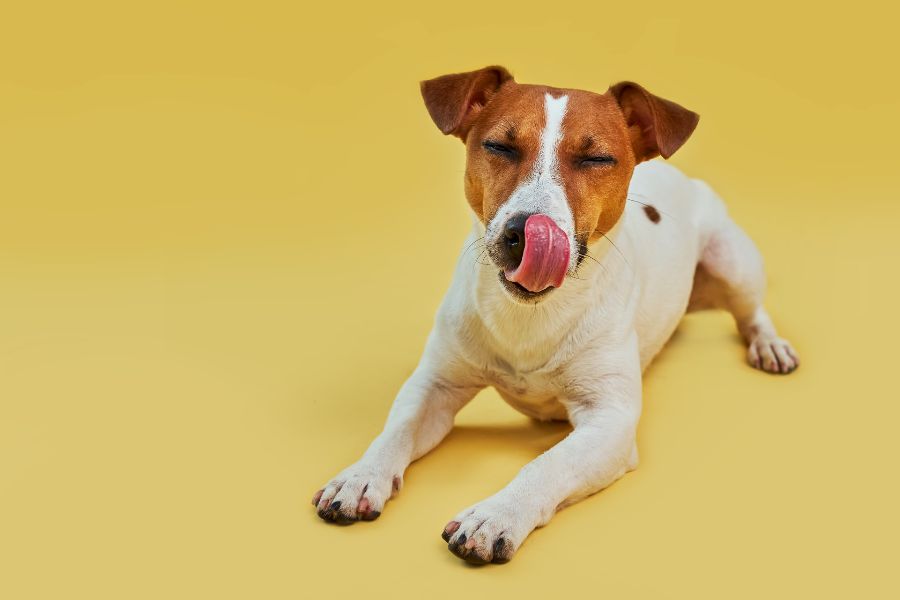
Licking is one of the most common pet behaviors, but it can mean very different things depending on whether your pet is a dog or a cat. While both species use licking to communicate, groom, and express emotions, the reasons behind the behavior are not always the same. Understanding these differences can help pet owners respond appropriately and know when licking may signal a health issue.
In this guide, we’ll break down the key differences between dog licking and cat licking, what each behavior usually means, and when it may be time to seek veterinary care.
Why Do Pets Use Licking as a Behavior
Licking is an instinct for many animals. It starts early in life when mothers lick their young to clean them, comfort them, and encourage bonding. As pets grow, licking continues as a way to communicate and care for themselves.
For both dogs and cats, licking may serve several purposes:
- Grooming and cleanliness
- Showing affection
- Seeking attention
- Exploring scents and tastes
- Coping with stress
- Responding to discomfort
However, the meaning often depends on the species, body language, and overall situation.
Dog Licking Behavior: What It Usually Means
Dogs are social animals, and licking is often tied to communication and emotional expression. Many dogs lick people, objects, and even other pets regularly.
Common Reasons Dogs Lick
1. Affection and Bonding
Dogs often lick their owners as a sign of love and trust. This behavior can be similar to greeting or cuddling.
2. Attention-Seeking
If licking gets a reaction, such as talking, petting, or laughing, dogs may repeat it to gain attention.
3. Taste and Curiosity
Dogs explore the world with their noses and mouths. They may lick skin because of salty sweat or lick surfaces to investigate smells.
4. Anxiety Relief
Some dogs lick excessively when nervous. Repetitive licking can become a self-soothing habit.
5. Medical Causes
Dogs may lick paws, joints, or skin due to:
- Allergies
- Skin irritation
- Pain
- Parasites
- Infection
Cat Licking Behavior: What It Usually Means
Cats are known for their grooming habits, and licking plays a major role in daily cat care. Unlike dogs, cats often lick with more purpose and routine.
Common Reasons Cats Lick
1. Grooming and Cleanliness
Cats spend a large part of the day grooming themselves. Their rough tongues help remove dirt, loose fur, and debris.
2. Social Bonding
Cats may lick other cats or trusted humans. This is called social grooming and usually signals comfort and trust.
3. Marking Familiarity
Cats use scent glands around their body. Licking can sometimes be part of creating a familiar scent environment.
4. Stress Response
Some cats overgroom when anxious. This may lead to hair loss, bald patches, or skin irritation.
5. Pain or Skin Problems
Cats may focus licking on one area if they are uncomfortable due to:
- Fleas
- Allergies
- Arthritis
- Skin infection
- Injury
Dog Licking vs Cat Licking: Key Differences
While both pets lick, the purpose and style often differ.
| Behavior | Dogs | Cats |
| Affection | Very common among people | More selective |
| Grooming | Less focused self-grooming | Major daily routine |
| Attention-seeking | Common | Less common |
| Stress licking | Can target paws or surfaces | Often overgrooming fur |
| Social licking | Friendly greeting behavior | Trusted bonding behavior |
| Curiosity licking | Frequent | Less frequent |
Dogs tend to be outward and social with licking. Cats are usually more private and grooming-focused.
When Licking Becomes a Problem
Normal licking is expected, but excessive licking may signal trouble.
Warning Signs to Watch For
- Constant paw licking
- Bald spots or hair loss
- Red, irritated skin
- Licking one area repeatedly
- Sudden increase in licking
- Licking combined with hiding or aggression
- Vomiting hairballs more often in cats
If you notice these changes, a veterinary exam is a smart next step.
How Pet Owners Can Respond
For Dogs
- Increase exercise and mental stimulation
- Redirect licking with toys or training
- Avoid rewarding unwanted licking with attention
- Check paws and skin regularly
For Cats
- Maintain a calm environment
- Brush regularly to reduce loose fur
- Provide scratching posts and enrichment
- Watch for overgrooming patterns
For Both Pets
Always rule out medical causes before assuming the behavior is just a habit.
Can You Train Pets to Lick Less
Yes, in many cases. Training and environmental changes can reduce unwanted licking.
Helpful strategies include:
- Reward calm behavior
- Use positive reinforcement
- Provide routine and structure
- Reduce boredom
- Address stress triggers
- Seek veterinary guidance for persistent behavior
Punishment is not recommended, as it may increase anxiety.
Dog and cat licking may look similar, but the meaning behind the behavior is often very different. Dogs usually lick to socialize, explore, or seek attention, while cats rely more on licking for grooming and selective bonding. Knowing the difference helps you better understand your pet’s needs and recognize when something may be wrong. If your pet’s licking seems excessive or unusual, and you are seeking an expert vet near you, then schedule an appointment with Family Pet Clinic in Feasterville, PA, for expert care and guidance.
FAQs
Q1: Why does my dog lick me so much?
Ans: Dogs often lick people to show affection, seek attention, or enjoy the salty taste of skin. Excessive licking may also reflect anxiety.
Q2: Why do cats lick themselves all day?
Ans: Cats naturally spend a lot of time grooming. If grooming becomes obsessive or causes hair loss, it may indicate stress or a medical issue.
Q3: Is licking normal for pets?
Ans: Yes, licking is a normal behavior for dogs and cats when done in moderation. Excessive licking should be evaluated.
Q4: Why does my cat lick me but not everyone else?
Ans: Cats are selective with affection. Licking usually means they trust you and feel comfortable around you.
Q5: Should I worry if my dog licks its paws constantly?
Ans: Yes, frequent paw licking may signal allergies, irritation, pain, or infection, and should be checked by a veterinarian.