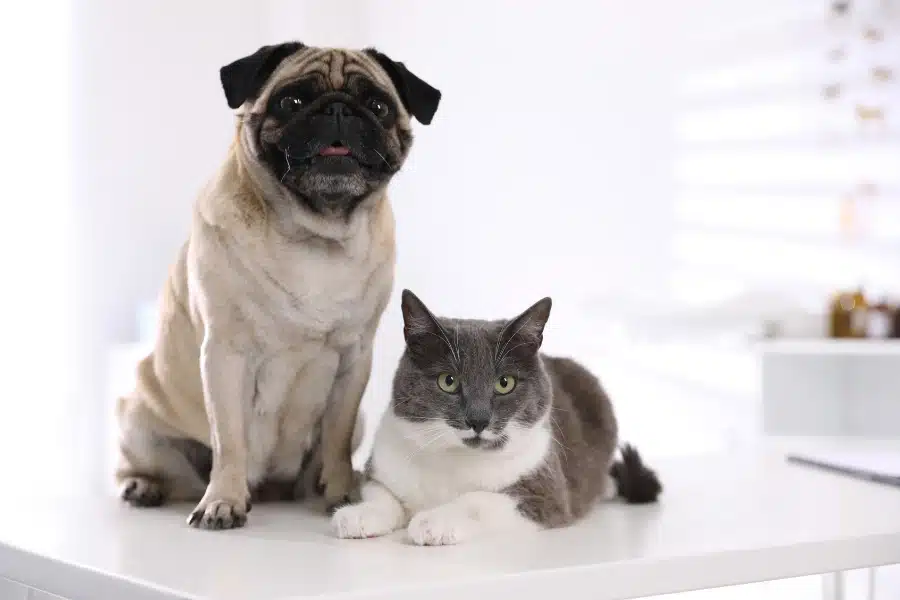

Your pet cannot explain when something feels wrong. Small behavior shifts, appetite changes, or unusual habits are often the first clues. This guide explains ten early warning signs, what they may mean, and when to seek help.
You will also find practical tips, local insight for pet families, and answers to common concerns. By recognizing signs early, you can respond quickly and reduce the risk of serious pet sickness. Families in Horsham, PA, want clear answers and trusted support, especially with seasonal weather changes that affect pets throughout the year.
1. Sudden Changes in Appetite
A healthy dog or cat usually shows consistent interest in meals. Skipping food, eating far less, or refusing favorite treats may signal discomfort.
Loss of appetite can point to digestive upset, dental pain, stress, or infection. Eating significantly more than usual may also signal a concern.
Ask yourself:
- Has your pet skipped more than one meal?
- Are treats ignored?
- Is water intake also changing?
If appetite changes last more than a day, it is time to schedule a check.
2. Lethargy or Low Energy
Pets have natural energy patterns. A playful dog that suddenly sleeps all day or a social cat that hides may not feel well.
Low energy can be linked to fever, pain, internal discomfort, or emotional stress. Pennsylvania’s humid summers and cold winters can also affect stamina.
Watch for:
- Less interest in walks
- Avoiding stairs
- Slow response to your voice
Persistent lethargy deserves prompt attention.
3. Vomiting or Diarrhea
An isolated upset stomach can happen. Repeated vomiting or loose stool is different.
Digestive problems may stem from diet changes, parasites, infections, or eating something outdoors. Yard debris, mushrooms, and discarded food are common neighborhood risks.
Seek care immediately if you notice:
- Blood in vomit or stool
- Signs of dehydration
- Weakness
Digestive distress should never be ignored.
4. Coughing or Breathing Changes
Breathing should be quiet and steady. Coughing, wheezing, or labored breathing needs evaluation.
Cold weather in Pennsylvania can trigger respiratory irritation. Allergies, infections, or heart concerns may also play a role.
Check for:
- Rapid breathing at rest
- Persistent coughing
- Blue or pale gums
Breathing problems are urgent.
5. Increased Thirst or Urination
Drinking more water and asking to go outside frequently can signal underlying concerns.
These changes may relate to kidney issues, hormone imbalance, or infection. Track how often your pet refills their bowl.
Tip: Measure daily water intake for a few days. Clear patterns help your care team respond quickly.
6. Unusual Weight Loss or Gain
Weight shifts often occur gradually. Sudden loss or gain without diet changes is concerning.
Weight loss may point to digestive issues or chronic illness. Weight gain can indicate hormonal imbalance or reduced activity.
Maintaining a healthy weight supports long-term wellness and prevents future pet sickness. Regular weigh-ins at home or during exams keep you informed.
7. Skin Changes or Excessive Scratching
Itchy skin, redness, hair loss, or ear irritation can signal allergies or parasites.
Seasonal pollen in suburban Pennsylvania neighborhoods often triggers flare-ups. Fleas remain active during warmer months.
Look closely at:
- Ear odor
- Thickened skin
- Frequent paw licking
Skin problems rarely resolve without guidance.
8. Behavioral Changes
Personality shifts are powerful warning signs. A friendly pet that growls, hides, or avoids touch may be experiencing pain.
Behavior reflects comfort level. Pets respond to discomfort in subtle ways.
Observe:
- Sudden aggression
- Restlessness at night
- Withdrawal from family interaction
Trust your instincts. You know your pet best.
9. Bad Breath or Drooling
Persistent bad breath is often linked to dental disease. Excess drooling may signal oral pain or nausea.
Dental problems cause discomfort long before visible signs appear.
Check for:
- Swollen gums
- Loose teeth
- Difficulty chewing
Routine dental care prevents serious complications.
10. Difficulty Moving or Limping
Slower movement, limping, or stiffness after rest can indicate joint discomfort or injury.
Cold temperatures can worsen stiffness in older pets. Early support improves mobility and comfort.
Notice:
- Trouble jumping
- Hesitation on stairs
- Reluctance to play
Mobility changes should be evaluated early.
When Should You Call?
If symptoms persist longer than 24–48 hours, worsen quickly, or include pain, vomiting, breathing difficulty, or collapse, seek immediate care.
Early intervention can reduce stress and improve outcomes. A transparent approach means explaining findings clearly, outlining options, and helping you choose what fits your pet and family.
If you would like to explore preventive care, diagnostics, dental services, wellness exams, or guidance tailored to your pet’s needs, we invite you to visit our website to learn more about our full range of services and how we support local families year-round.
Conclusion
Recognizing early warning signs protects your pet from unnecessary discomfort and long-term complications. Small changes often speak loudly. Paying attention to appetite, behavior, breathing, and mobility gives you the power to act early.
Preventive visits and open communication build trust and clarity. We are conveniently located in Horsham, PA, and welcome you to our facility at 278 Easton Rd, Horsham, PA 19044—where compassionate care and community come together for your pet’s well-being. Schedule an appointment with Family Pet Clinic- Horsham.
Frequently Asked Questions(FAQs):
1. How do I know if my pet’s symptoms are serious?
A: If symptoms last more than two days, worsen rapidly, or include pain, vomiting, breathing trouble, or collapse, seek care immediately. Mild issues may resolve, but persistent signs need professional evaluation to prevent complications.
2. Is one episode of vomiting normal?
A: A single mild episode can occur from diet changes or eating too quickly. Repeated vomiting, weakness, or blood in vomit is not normal and requires prompt medical attention.
3. Why is my pet suddenly drinking more water?
A: Increased thirst may relate to infection, kidney imbalance, or hormone changes. Track daily intake for a few days and schedule an appointment if the pattern continues.
4. Can weather changes affect my pet’s health?
A: Yes. Humid summers may worsen allergies. Cold winters can increase joint stiffness. Seasonal adjustments in care, exercise, and grooming help prevent avoidable health concerns.
5. What behavior changes should worry me most?
A: Sudden aggression, hiding, or withdrawal often signals pain or discomfort. Behavioral shifts should never be dismissed, especially if paired with appetite or energy changes.
6. How can I prevent common illnesses?
A: Routine wellness exams, balanced nutrition, dental care, and parasite prevention reduce risk. Early detection during checkups helps identify issues before symptoms become severe.