Summer brings longer days, outdoor play, and sunshine, but it also introduces serious risks for pets. Rising temperatures can quickly lead to dehydration, overheating, and discomfort if precautions are not taken. This guide explains how to recognize early warning signs, create a cool environment, adjust routines, and support your pet’s overall health through smart habits like pet nutritional counseling.
Whether you are walking your dog or caring for an indoor cat, these practical tips will help you protect your companion and keep them comfortable throughout the season in Feasterville.
Understanding the Risks of Summer Heat
Pets experience heat differently from humans. They do not sweat efficiently and rely on panting to cool down. This makes them more vulnerable to heat-related stress.
Hot pavement, humid air, and limited shade can quickly increase body temperature. Breeds with thick coats, short noses, or existing health concerns face even higher risks. Knowing these factors helps you plan safer daily routines.
Signs Your Pet May Be Overheating
Recognizing early warning signs can prevent serious complications. Watch for:
Common Symptoms
- Excessive panting or drooling
- Lethargy or weakness
- Vomiting or diarrhea
- Red or pale gums
- Difficulty walking
If symptoms worsen or do not improve quickly, seeking help from a veterinarian near you becomes essential.
Keep Your Pet Hydrated
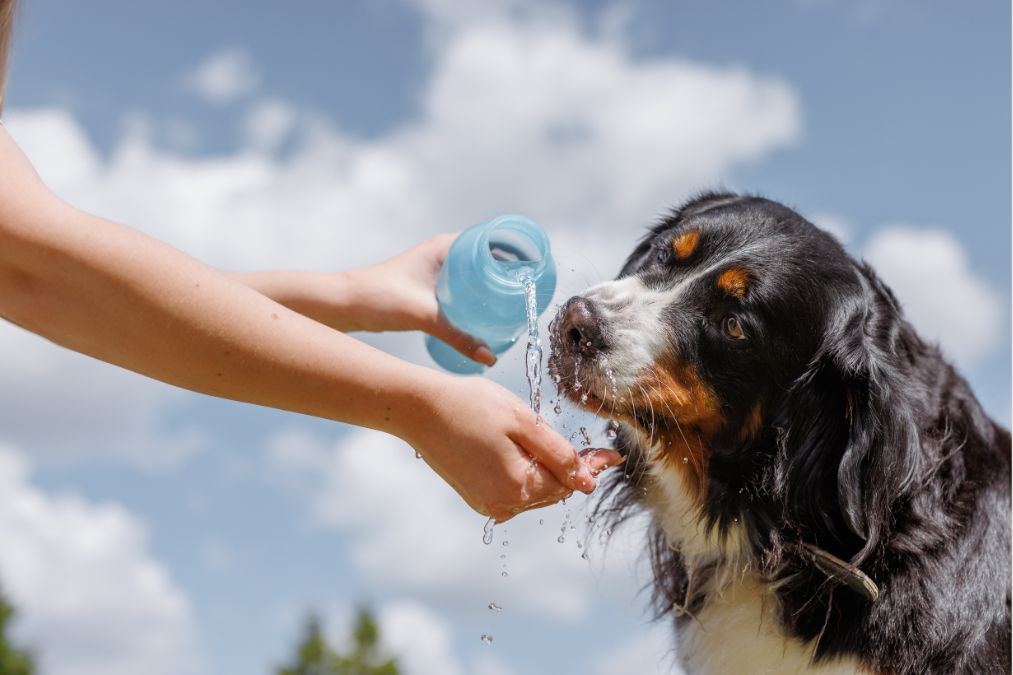
Hydration is the foundation of summer safety. Always provide clean, fresh water both indoors and outdoors.
Simple Hydration Tips
- Place multiple water bowls around your home
- Add ice cubes to keep the water cool
- Carry a portable water bottle during walks
- Offer water-rich foods like cucumber slices (pet-safe portions)
Proper hydration supports body temperature regulation and keeps energy levels stable.
Create a Cool Living Environment
Your pet’s surroundings play a major role in their comfort.
Indoor Cooling Strategies
- Use fans or air conditioning during peak heat
- Keep curtains closed to block direct sunlight
- Provide cooling mats or damp towels for resting
Outdoor Safety Adjustments
- Ensure shaded areas are always available
- Avoid enclosed spaces with poor ventilation
- Never leave pets in parked cars, even briefly
A well-managed environment reduces the risk of overheating significantly.
Adjust Exercise and Outdoor Time
Physical activity remains important, but timing matters.
Smart Scheduling
- Walk your dog early in the morning or late in the evening
- Test the pavement with your hand before stepping out
- Shorten walks during extreme heat
Interactive indoor games can replace outdoor play when temperatures rise too high.
Grooming and Coat Care
Proper grooming helps maintain comfort without compromising natural protection.
Grooming Guidelines
- Brush regularly to remove excess fur
- Avoid shaving double-coated breeds completely
- Keep fur clean to allow better airflow
Balanced grooming prevents heat buildup while preserving your pet’s natural defense against the sun.
Nutrition and Summer Wellness
Diet plays a key role in how your pet handles heat. Heavy meals can increase body temperature and reduce comfort.
Incorporating pet nutritional counseling into your routine helps tailor meals based on your pet’s age, breed, and activity level. Lighter portions, balanced nutrients, and proper feeding schedules support digestion and energy without adding stress to the body.
Protect Paws and Skin
Hot surfaces can burn sensitive paw pads within seconds.
Paw Protection Tips
- Walk on grass whenever possible
- Use protective booties if needed
- Check paws regularly for redness or cracks
Sun exposure can also affect pets with light-colored fur. Providing shade and limiting direct sunlight reduces this risk.
Travel and Outdoor Adventures
Summer trips require extra preparation.
Travel Safety Essentials
- Carry water, bowls, and a cooling mat
- Take frequent breaks during long drives
- Keep car interiors well-ventilated
Planning ensures your pet stays comfortable and safe throughout the journey.
When to Seek Professional Care
Some situations require immediate attention. Persistent vomiting, collapse, or severe lethargy should never be ignored.
Prompt care can prevent complications and ensure a faster recovery. Trust your instincts and act quickly if something feels wrong.
Building a Summer Safety Routine
Consistency is key to protecting your pet. Small daily habits can make a big difference.
Daily Checklist
- Refresh water bowls regularly
- Monitor indoor temperature
- Limit midday outdoor exposure
- Observe behavior changes
These simple actions create a safer and more predictable environment for your pet.
Conclusion
Keeping your pet safe during hot summer weather requires awareness, preparation, and consistent care. From hydration and cooling strategies to mindful exercise and nutrition, each step contributes to your pet’s comfort and well-being.
Paying attention to early warning signs and making small adjustments in daily routines can prevent serious health concerns. Summer should be a time of enjoyment for both you and your companion, not discomfort or risk.
If you notice unusual symptoms or need personalized guidance, do not hesitate to book an appointment with a trusted professional. Reach out to our Feasterville facility at 1441 Bridgetown Pike, Feasterville, Trevose, PA 19053—where compassionate care and community come together for your pet’s well-being.
Frequently Asked Questions(FAQs):
1. How hot is too hot for pets?
A: Temperatures above 85°F can be risky, especially with humidity. Pets may struggle to cool themselves effectively. Limiting outdoor exposure during peak heat hours helps prevent overheating and keeps them comfortable throughout the day.
2. Can pets get heatstroke indoors?
A: Yes, poor ventilation or lack of cooling can lead to heat stress indoors. Ensuring airflow, using fans, and maintaining a comfortable room temperature are essential steps to keep pets safe even inside the home.
3. How often should I give my pet water in summer?
A: Pets should have constant access to fresh water. Refill bowls several times daily and monitor intake. Increased thirst is normal, but sudden changes may indicate a health concern that needs attention.
4. Are certain pets more sensitive to heat?
A: Yes, older pets, overweight animals, and breeds with short noses are more vulnerable. They require extra care, shorter outdoor time, and closer monitoring during hot weather conditions.
5. Should I change my pet’s diet in summer?
A: Lighter meals and proper portion control can help. Adjusting diet with guidance ensures your pet maintains energy without feeling sluggish or overheated during warmer months.
6. What should I do if my pet overheats?
A: Move your pet to a cool area immediately, offer water, and use a damp towel to lower body temperature. If symptoms persist or worsen, seek professional care without delay.