Cold Laser Therapy, also known as low-level laser therapy (LLLT), is a non-invasive treatment option used in veterinary medicine to support healing, reduce inflammation, and alleviate pain in pets. Though not a new concept in human medicine, this therapeutic approach is increasingly being integrated into routine veterinary care for both dogs and cats.
It provides a drug-free alternative or complement to traditional pain management methods.
What Is Cold Laser Therapy?
Cold Laser Therapy uses specific wavelengths of light to penetrate tissues without generating heat, hence the term “cold.” The light energy is absorbed at the cellular level, triggering biological changes that enhance the body’s natural healing process. This is different from surgical lasers, which use heat to cut or cauterize tissue. Instead, cold lasers promote cellular regeneration and circulation.
The light used in this laser therapy process typically falls within the red to near-infrared spectrum (600–1000 nanometers), which has been shown to reach soft tissue, muscles, and even joints.
How Does It Work?
The primary mechanism behind this laser therapy process is a process called photobiomodulation. When the laser light is absorbed by cells, it stimulates the mitochondria—the energy-producing centers of cells—to produce more adenosine triphosphate (ATP). This increased energy production supports cellular repair, reduces oxidative stress, and promotes tissue recovery.
Additionally, Cold Laser Therapy is believed to:
- Increase blood flow and oxygenation to tissues
- Decrease inflammation and swelling
- Encourage the release of endorphins, which are natural pain relievers
- Accelerate wound healing and tissue regeneration
These effects collectively contribute to pain relief and improved mobility in animals.
Conditions That May Benefit from Cold Laser Therapy
This laser therapy process is used in veterinary settings for a range of acute and chronic conditions. Some of the more common applications include:
- Arthritis and joint pain: By reducing inflammation and stimulating cartilage repair, Cold Laser Therapy can help manage osteoarthritis symptoms in older pets.
- Post-surgical recovery: It aids in reducing swelling and accelerating tissue repair after surgery.
- Muscle injuries or strains: Therapy can promote quicker healing of sprained muscles or ligament injuries.
- Wounds and skin conditions: Open wounds, hot spots, or infections may heal more rapidly with improved circulation and reduced inflammation.
- Neurological conditions: For pets with nerve damage or spinal injuries, Cold Laser Therapy may help reduce pain and promote nerve function.
What to Expect During a Session
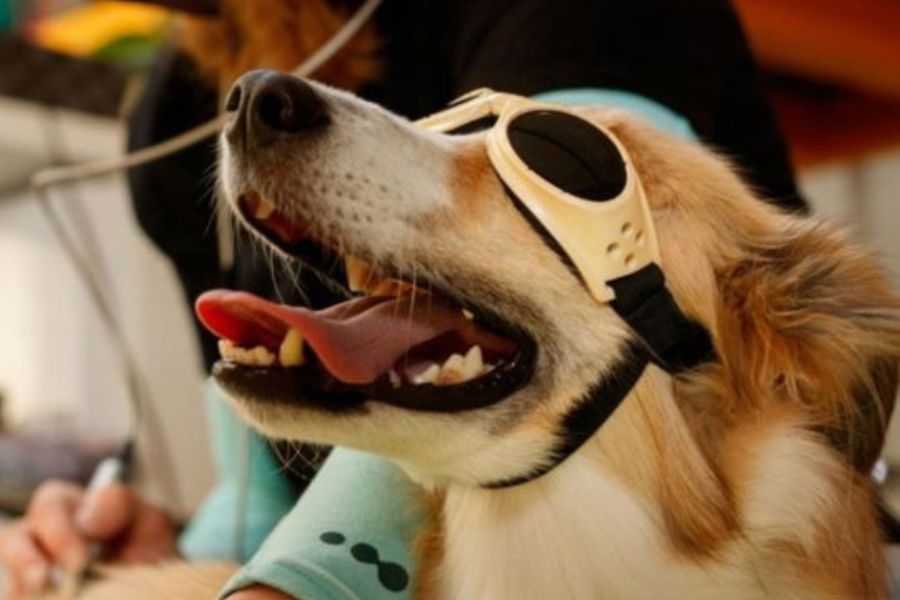
A typical cold laser session is short—lasting between 5 to 20 minutes, depending on the size of the area being treated and the severity of the condition. Pets generally do not require sedation, as the procedure is painless. Most animals relax during treatment, and many show signs of comfort, such as lying down or even falling asleep.
There is no recovery time needed, and pets can return to normal activity immediately following treatment. However, depending on the diagnosis, a series of sessions may be recommended for the best results.
Is It Safe?
Cold Laser Therapy is generally considered safe when performed by trained veterinary professionals. It is non-invasive and does not involve the use of drugs, which makes it an appealing option for pets with medication sensitivities or those unable to undergo surgery.
However, there are certain contraindications. For example, it should not be used over tumors, the eyes, or in pets with photosensitive conditions unless guided by a veterinarian.
Evidence and Effectiveness
Research on laser therapy in animals is growing, though the depth and consistency of evidence vary by condition. Studies have shown positive results for wound healing, arthritis management, and post-operative recovery. While it may not be a cure-all, many veterinarians report that this laser therapy process provides noticeable improvements in comfort and mobility for their patients.
This laser therapy process represents a valuable tool in modern veterinary care. By leveraging the power of light to promote healing and relieve discomfort, it provides a gentle yet effective approach to managing both acute and chronic conditions in pets. As with any treatment, it’s important to consult with a veterinary professional to determine if Cold Laser Therapy is appropriate for a pet’s specific needs and health status.