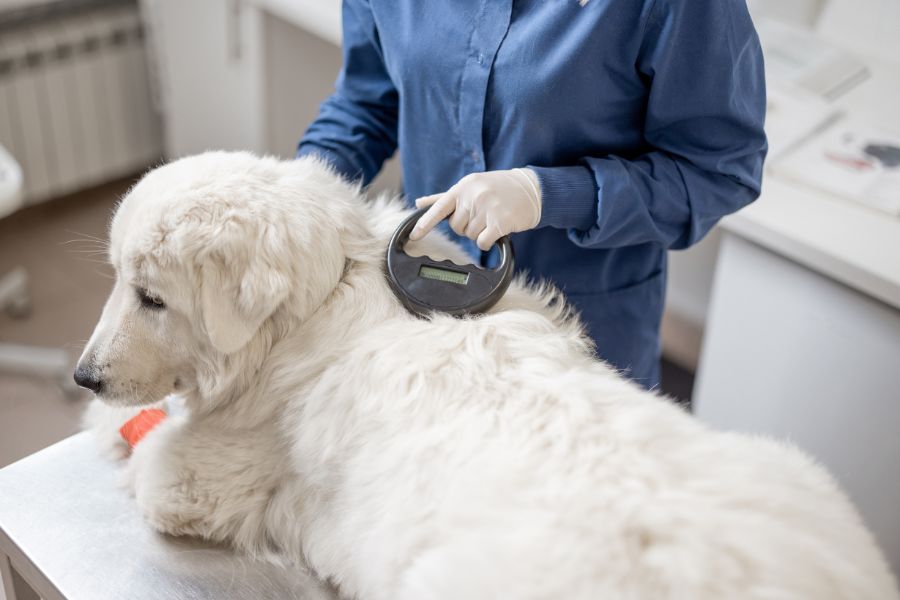
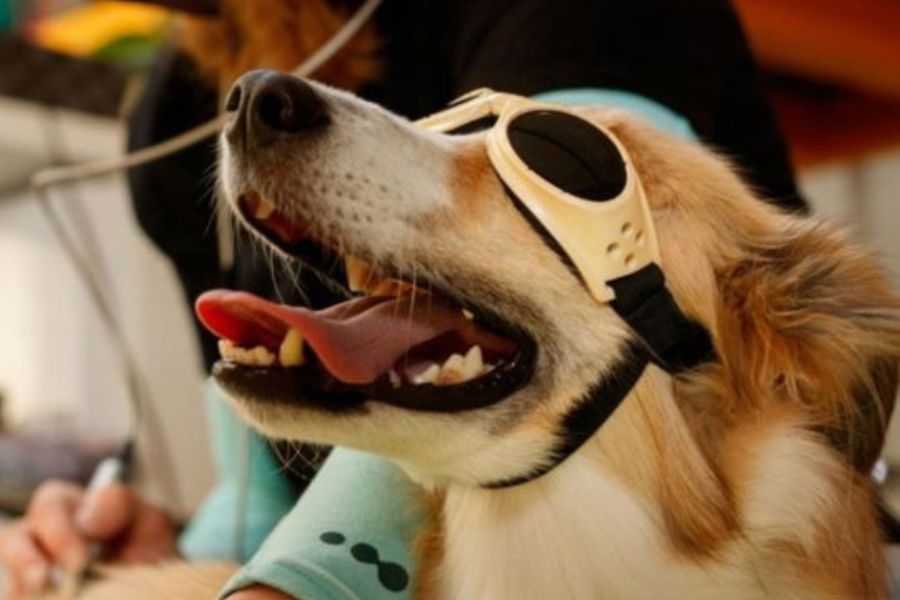
Imagine helping your pet recover from surgery or chronic pain—not with medication alone, but through the power of light. Sounds futuristic? It’s happening now, and it’s called laser therapy. This advanced, non-invasive treatment is changing how veterinarians support pet recovery and comfort. From easing arthritis pain to accelerating surgical healing, laser therapy offers hope and help in every beam.
At the heart of this healing innovation is something truly special: a gentle light that stimulates cells, boosts circulation, and reduces inflammation—all without side effects.
Understanding Pet Laser Therapy: More Than Just a Beam
Laser therapy, often referred to as cold laser or low-level laser therapy (LLLT), harnesses specific wavelengths of light to kickstart the body’s natural healing process. Unlike surgical lasers that cut or burn, these therapeutic lasers gently deliver energy right to the damaged tissues. This energy jumpstarts the cells to repair, regenerate, and reduce pain signals.
For many pets, especially aging dogs or cats with arthritis, this therapy brings real relief. Treatments are painless, quick, and don’t require sedation. Most sessions last between 5–20 minutes, and many pets even relax or nap during the process.
The Science Behind the Healing
So, how exactly does it work? Laser therapy increases circulation and triggers the release of endorphins—your pet’s natural painkillers. In addition, it enhances the oxygenation of tissues and improves cellular metabolism, allowing injured areas to heal faster.
Here’s a quick breakdown of its primary effects:
- Reduces inflammation
- Ease joint stiffness
- Accelerates tissue repair
- Stimulates nerve function
- Promotes wound healing
In essence, it gently guides the body back to balance, making recovery smoother and less stressful for your pet.
Common Conditions Treated with Laser Therapy
Laser therapy can be used alone or alongside traditional treatments. Many veterinary clinics in Southampton now integrate laser therapy into post-surgical care and chronic disease management plans. Some of the most common conditions treated include:
- Arthritis and joint pain
- Hip dysplasia
- Soft tissue injuries (sprains/strains)
- Post-operative recovery
- Intervertebral disc disease
- Lick granulomas and hot spots
- Ear infections and gingivitis
The versatility of this technology means it can be used across species—dogs, cats, and even exotic pets can benefit.
What to Expect During a Pet Laser Therapy Session
Before starting therapy, your veterinarian will evaluate your pet’s health and determine a customized treatment plan. A pet laser therapy in Southampton is typically straightforward:
- Your pet will be comfortably positioned.
- The technician will apply the laser to targeted areas.
- A handheld device will move in a sweeping motion over affected tissues.
- No shaving or special prep is required.
Pets often begin to show signs of improvement after just a few sessions. Chronic conditions may need multiple treatments, while acute injuries can respond quickly.
The Benefits Go Beyond Pain Relief
While laser therapy is well-known for pain management, its benefits extend further. After surgery, laser therapy can reduce swelling and bruising, shorten healing times, and lessen the risk of complications.
Even pets with anxiety or high sensitivity to medications often respond well to this therapy. Since it doesn’t involve drugs, it avoids potential side effects or interactions with existing medications.
In addition, pet owners love that their furry companions can resume daily activities faster and with greater comfort.
Choosing the Right Veterinary Clinic in Southampton
If you’re considering this treatment for your pet, it’s important to choose a trusted clinic that understands both the technology and your animal’s individual needs. A reputable veterinary clinic in Southampton will walk you through the process, answer questions, and provide personalized care every step of the way.
Look for clinics that use Class IV therapeutic lasers and have experienced staff trained in pet laser therapy. Clear communication, treatment transparency, and gentle handling of your pet are key indicators of quality care.
Healing Begins with Light
From easing arthritis aches to helping post-op wounds heal, laser therapy offers a natural, safe, and effective way to support your pet’s health. Whether you’re seeking pain relief or faster recovery, this innovative approach can make a world of difference.
So, if your furry companion seems slowed down by age, injury, or recent surgery, don’t wait. Ask your vet about laser therapy and let the healing begin—one light beam at a time.