

Owning a pet is a rewarding responsibility, but it also comes with the duty of ensuring their long-term health and well-being. One of the most effective ways to safeguard your pet’s future is through spaying and neutering.
These procedures not only help reduce the population of homeless animals but also improve your furry friend’s quality of life. By understanding what spay and neutering mean, how they differ, and when it’s best to schedule the surgery, you can make informed choices that benefit both your pet and your community.
Spay and Neuter Demystified: What Do These Terms Really Mean?
When veterinarians talk about “spay” and “neuter,” they refer to two surgical procedures that prevent animals from reproducing.
- Spaying: This procedure is performed on female pets. It involves removing the ovaries and usually the uterus, eliminating the possibility of pregnancy.
- Neutering: This term is most often used for males and refers to the removal of the testicles.
Although the word neuter technically applies to both genders, it’s widely accepted as the term for males, while spaying is specifically for females. Both surgeries are common, safe, and carried out under anesthesia.
Spay vs. Neuter: Spotting the Difference
While both spay and neuter surgeries prevent reproduction, the procedures differ in terms of the organs involved and their overall impact:
| Aspect | Spay (Females) | Neuter (Males) |
| Surgical Focus | Ovaries and uterus | Testicles |
| Purpose | Prevents pregnancy, eliminates heat cycles | Prevents fertilization, reduces roaming urges |
| Health Benefits | Lowers the risk of uterine infections and mammary cancer | Reduces the risk of testicular cancer and prostate problems |
| Behavioral Impact | Decreases yowling, spraying, and restlessness during heat | Reduces aggression, marking, and roaming tendencies |
In short, spaying targets reproductive health and behavior in females, while neutering primarily addresses reproduction and hormone-driven behavior in males.
Why Timing Matters: When to Spay or Neuter a Dog
Pet owners often ask, “When should I spay or neuter my dog?” Timing plays a critical role in ensuring the procedure’s benefits.
- Puppies: Many veterinarians recommend spaying or neutering dogs around six to nine months of age. By this time, puppies are healthy and resilient enough to handle surgery.
Large Breeds: For some larger breeds, waiting until the dog is 12–18 months old may be beneficial to allow bones and joints to mature properly. - Before First Heat (Females): Spaying a female dog before her first heat significantly reduces the risk of mammary cancer.
Consulting your veterinarian will help determine the best age for your pet based on breed, size, and overall health.
Cats in Focus: When A Feline Can be Spayed and Neutered?
Cats are notorious for reaching sexual maturity early, often as young as five months old. Because of this, early spaying and neutering are highly recommended.
- Kittens: Many clinics safely perform the procedure as early as 8–12 weeks, particularly in shelter settings.
- Ideal Window: Generally, the best time is around four to five months old, before cats start spraying or going into heat.
- Adult Cats: Even if your cat is older, spaying and neutering remain safe and beneficial at almost any age.
By acting early, you prevent unwanted litters and help your feline avoid hormonally driven behaviors such as spraying, yowling, or aggressive fighting.
Beyond Birth Control: The Hidden Health Benefits
Spaying and neutering go beyond preventing puppies and kittens. These procedures provide long-term health benefits:
- For Females: Lowered risk of pyometra (a serious uterine infection), no risk of ovarian cancer, and significantly reduced chances of mammary cancer.
- For Males: Elimination of testicular cancer, lowered risk of prostate problems, and a calmer, less aggressive demeanor.
- For Both: Reduced tendency to roam, which minimizes the risk of car accidents, fights, and exposure to contagious diseases.
Where Should You Spay or Neuter Your Pets?
Choosing the right clinic is just as important as deciding when to spay or neuter your pet. You’ll want a veterinary hospital that prioritizes your pet’s comfort, uses advanced surgical techniques, and provides post-operative care.
Suppose you are conveniently located in Feasterville, PA, and searching for the best spay & neuter service near me. In that case, Family Pet Clinic Feasterville is the right choice for compassionate, advanced, and reliable pet care. Their experienced veterinary team ensures your pet receives safe surgery and a smooth recovery in a welcoming environment.
Recovery and Aftercare: What Pet Parents Should Expect
After surgery, pets usually recover quickly with proper care. Here’s what you can do:
- Keep your pet calm and restrict activity for about 7–10 days.
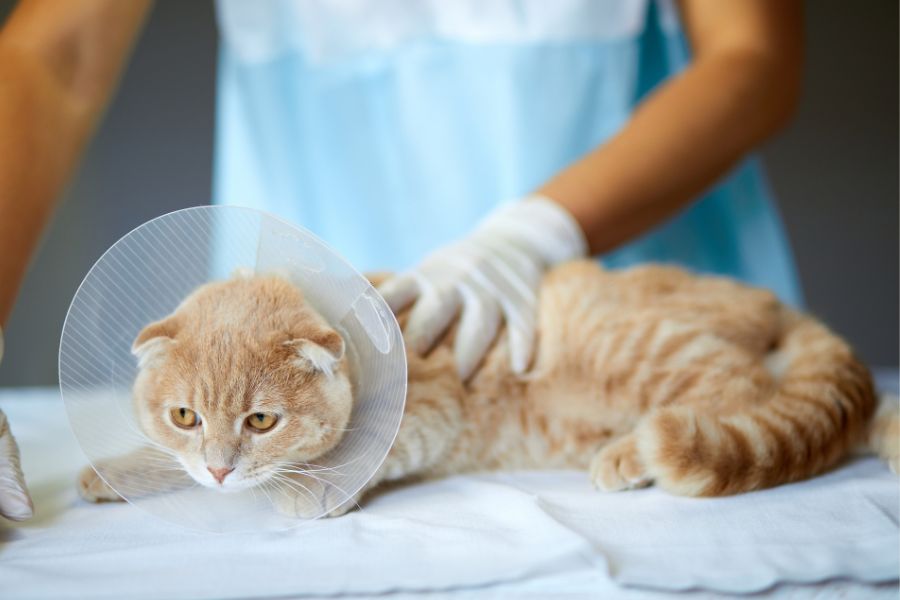
- Prevent licking or chewing at the incision site with an e-collar if necessary.
- Monitor for signs of swelling, redness, or discharge.
- Follow your veterinarian’s guidelines for pain medication and check-up visits.
Most pets bounce back within a week, returning to their playful selves with no memory of the procedure.
Community Impact: Why Spaying and Neutering Matters Beyond Your Home
Spaying and neutering your pets directly helps reduce overpopulation and the tragic cycle of abandonment. By taking this preventive step, you contribute to a healthier and more manageable pet population, thereby reducing the burden on shelters and rescue groups.
Spaying and neutering may feel like tough decisions at first, but they are among the most responsible choices a pet owner can make. These surgeries not only prevent unwanted litters but also safeguard your pet’s health, improve behavior, and extend their life expectancy. Whether you have a curious kitten, a playful puppy, or an older pet, it’s never too late to explore the benefits of these procedures.
By acting early, seeking trusted veterinary care, and understanding the differences between spay and neuter, you ensure your beloved companion enjoys a longer, happier, and healthier life.