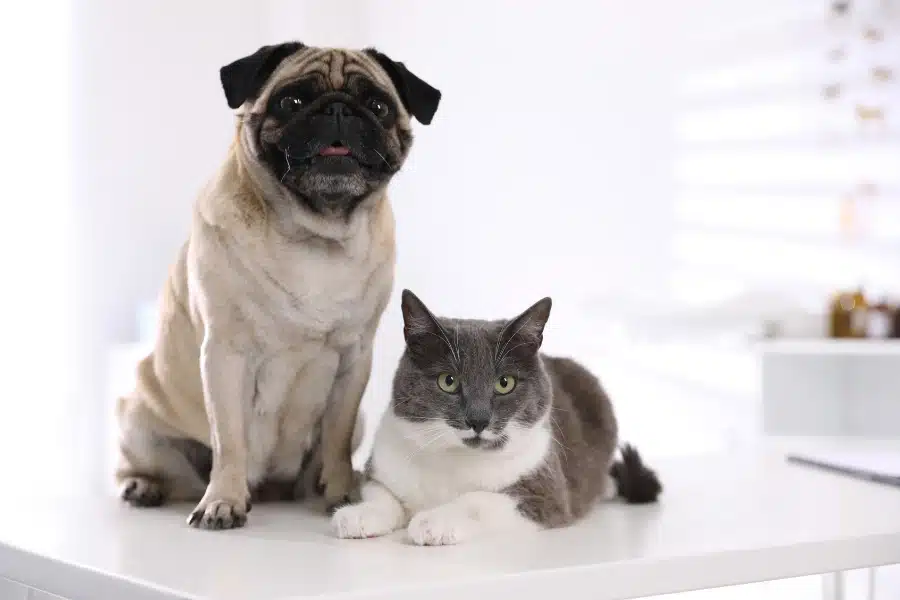

Our pets rely on us to shape their world — the food they eat, the games they play, and even how they rest. A healthy pet lifestyle doesn’t just happen on its own; it’s built through consistent choices that nurture their physical and emotional well-being. Whether you’re caring for a playful puppy, a mellow senior cat, or anything in between, you can make your home a place where your pet thrives.
Let’s explore how small, mindful changes can make a world of difference in your furry friend’s health and happiness — and discover the spot-the-difference moments that separate a thriving pet from a merely surviving one.
Nourish from Within: The Foundation of Good Health
The journey to a healthy lifestyle begins in your pet’s bowl. What your dog or cat eats every day directly impacts their immune system, coat shine, and energy levels.
Balanced Nutrition Matters:
Feeding a balanced diet means including the right mix of protein, fats, carbohydrates, vitamins, and minerals. Avoid giving pets too many treats or table scraps — these can cause obesity, which leads to joint problems, diabetes, and even heart disease.
Spot the Difference:
- Unhealthy Lifestyle: Feeding random treats or skipping meals.
- Healthy Lifestyle: Following a vet-approved diet plan suited to your pet’s breed, age, and health condition.
Pro Tip: Fresh water is as vital as food. Change your pet’s water twice daily to keep it clean and inviting.
Get Moving: Exercise as Daily Medicine
A healthy pet lifestyle thrives on movement. Exercise helps maintain an ideal weight, strengthens muscles, and stimulates your pet’s mind. Dogs need daily walks, runs, or play sessions. Cats, though less obvious athletes, still benefit from chasing feather wands or climbing cat trees.
Make It Fun:
Turn exercise into bonding time. Play fetch in the yard, hide treats for a sniffing challenge, or use puzzle toys that reward problem-solving.
Spot the Difference:
- Inactive Lifestyle: Long hours of rest, overeating, or boredom-related behaviors.
- Active Lifestyle: A daily mix of physical play, short training sessions, and outdoor exploration.
Bonus Tip: Adjust exercise levels based on the weather. Hot pavement and cold can hurt paws, so choose the right time for walks.
Create a Comfort Zone: The Ideal Home Environment
Your home should be your pet’s haven — a place that supports rest, play, and safety.
Safety First:
Keep hazardous items like cleaning products, electrical cords, and small chewable objects out of reach. Pets are naturally curious, and prevention is easier than dealing with emergencies.
Comfort Counts:
Provide cozy bedding, a quiet nap corner, and consistent mealtimes. Cats love high perches and window views, while dogs feel secure with soft blankets or their favorite toys nearby.
Spot the Difference:
- Chaotic Space: No designated resting or play area; frequent noise and stress.
- Calm Environment: Organized, safe zones for sleeping, eating, and playing.
Enrichment and Stimulation: Keep Their Minds Sharp
Just like humans, pets need mental stimulation to stay happy. Boredom can lead to destructive habits, anxiety, or depression.
Ideas for Mental Enrichment:
- Rotate toys weekly to keep things interesting.
- Try interactive feeders or puzzle bowls.
- Teach new tricks — it keeps your pet’s brain active and strengthens your bond.
- Create a scent trail using treats for dogs or catnip toys for felines.
Spot the Difference:
- Understimulated Pet: Restless, destructive, or withdrawn behavior.
- Stimulated Pet: Curious, alert, and content during downtime.
Preventive Health: The Backbone of a Long Life
You can’t have a healthy pet lifestyle without routine veterinary care. Regular check-ups help catch issues early, before they become serious. Vaccinations, dental cleanings, parasite control, and annual blood work are key to long-term wellness.
Even at home, keep an eye on signs of illness — changes in appetite, drinking, weight, or behavior often signal underlying issues.
If you’re in Pennsylvania, you can rely on Horsham veterinarians for personalized preventive care tailored to your pet’s specific needs.
Spot the Difference:
- Reactive Care: Only visiting the vet when your pet is sick.
- Proactive Care: Scheduling regular exams and monitoring your pet’s overall health.
Hygiene and Grooming: The Unsung Heroes of Pet Health
A clean pet is a healthy pet. Regular grooming prevents matting, skin infections, and discomfort.
Daily & Weekly Routines:
- Brush coats to reduce shedding and detect fleas early.
- Trim nails to prevent overgrowth and painful walking.
- Clean ears and brush teeth weekly — dental hygiene affects heart and kidney health!
Bathing should be based on your pet’s coat type and lifestyle. Always use pet-safe shampoos and warm water.
Spot the Difference:
- Neglect: Matted fur, bad breath, dirty paws.
- Care: Glossy coat, clean teeth, healthy skin.
Emotional Well-Being: The Invisible Health Booster
Pets are emotional beings. They feel loneliness, excitement, and even anxiety. Maintaining a positive emotional balance is essential for their overall health.
Ways to Support Emotional Health:
- Maintain routines — pets find comfort in predictability.
- Provide affection, praise, and physical touch.
- Socialize with other animals when appropriate.
- Keep noise levels moderate and avoid punishment-based training.
Spot the Difference:
- Emotionally Stressed Pet: Avoidant, destructive, or restless.
- Emotionally Balanced Pet: Relaxed, playful, and affectionate.
Sustainability and Lifestyle Harmony
A healthy pet lifestyle also extends to eco-friendly practices. Choose biodegradable waste bags, recyclable toys, and natural cleaning products to create a pet-safe and planet-friendly environment.
You can even make homemade pet treats using simple ingredients like peanut butter, oats, and pumpkin. It’s healthier for your pet — and kinder to the planet.
Spot the Difference:
- Harmful Habits: Plastic toys, harsh chemicals, single-use products.
- Sustainable Choices: Natural toys, green cleaning, and home-cooked treats.
The Joy of a Balanced Pet Life
Creating a healthy pet lifestyle at home is not about perfection — it’s about progress. Each small, mindful habit adds up: a morning walk, a new toy, a few extra minutes of cuddles, or a scheduled vet visit.
The difference between a pet who simply “lives” and one who “thrives” is found in these everyday choices. When we nurture our pets with love, structure, and care, they reward us with boundless joy, loyalty, and companionship.
So today, take a moment to spot the difference — and start building the healthy, happy life your pet deserves.