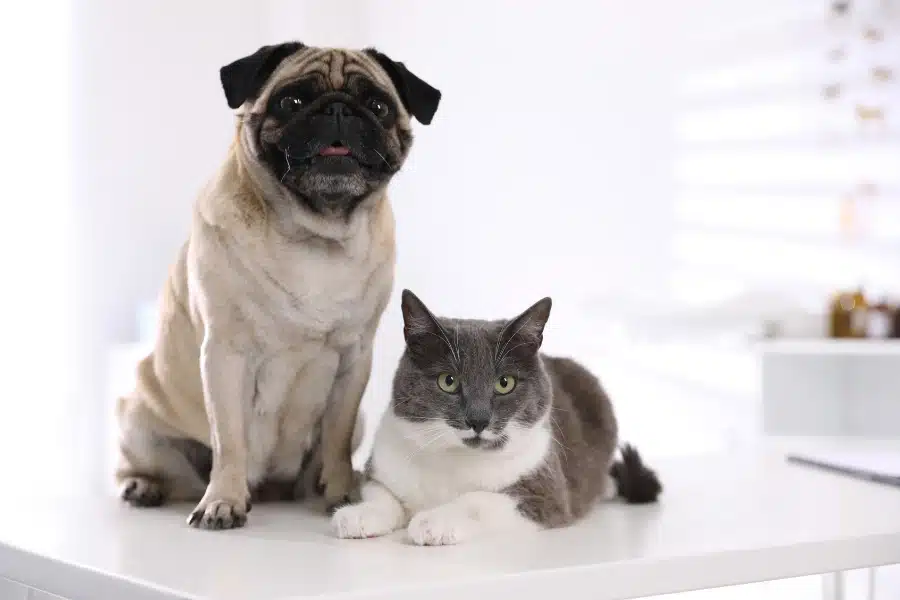

Hydrogen peroxide is a familiar household product, so it may seem like a convenient solution when your pet eats something questionable or gets a minor wound. However, hydrogen peroxide is not always safe for dogs and cats, and using it without veterinary guidance can cause additional problems. The risks depend on how it is used, the amount involved, your pet’s species, and the reason for exposure. At Family Pet Clinic, Southampton, PA, pet owners can receive guidance when they are unsure how to respond to a potential poisoning, wound, or accidental exposure. Understanding when hydrogen peroxide may be harmful can help you avoid unsafe home treatments and recognize when your pet needs veterinary care.
Is Hydrogen Peroxide Safe for Dogs and Cats?
Hydrogen peroxide should not be given to dogs or cats unless a veterinarian specifically recommends its use. It can irritate the mouth and digestive tract, damage healing tissue when used on wounds, and may create additional risks if used to induce vomiting incorrectly. Cats require particular caution because hydrogen peroxide should not be used at home to make them vomit.
| Situation | Potential Concern |
| Pet swallows hydrogen peroxide | Stomach and mouth irritation |
| Hydrogen peroxide placed in a wound | Tissue irritation and delayed healing |
| Used to induce vomiting without guidance | Aspiration or digestive complications |
| Cat given hydrogen peroxide | Unsafe method for inducing vomiting |
| Concentrated product exposure | Greater risk of irritation or injury |
The safest approach is to contact a veterinarian before using hydrogen peroxide for any pet-related situation.
Why Do Pet Owners Use Hydrogen Peroxide?
Many pet owners associate hydrogen peroxide with cleaning and disinfecting because it is commonly found in household first-aid supplies.
It has also been discussed as a way to make some dogs vomit after certain types of ingestion. However, a household product is not automatically an appropriate veterinary treatment.
Common reasons owners may consider using it include:
- Trying to make a dog vomit
- Cleaning an injury
- Cleaning contaminated fur
- Treating a suspected poisoning
- Removing something from the skin
Each situation requires a different response. Using hydrogen peroxide without knowing the underlying problem can sometimes make the situation worse.
Can Hydrogen Peroxide Make Dogs Vomit?
Hydrogen peroxide can cause vomiting in dogs, but that does not mean it should be used routinely at home. Whether inducing vomiting is appropriate depends on what the dog swallowed and the dog’s current health.
Inducing vomiting may be inappropriate if your dog:
- Swallowed a corrosive substance
- Swallowed a petroleum-based product
- Is already vomiting repeatedly
- Has difficulty swallowing
- Has breathing problems
- Is unconscious or severely weak
- Is having seizures
- May have swallowed something sharp
- Has another condition that increases aspiration risk
| Before Giving Anything | Why It Matters |
| Identify the substance | Different toxins require different responses |
| Determine when it was swallowed | Timing can affect treatment options |
| Estimate the amount | Helps assess potential risk |
| Consider your dog’s health | Existing conditions can change treatment decisions |
| Contact your veterinarian | Helps avoid unsafe home treatment |
If your dog eats something potentially toxic, contact a veterinarian before attempting to make them vomit.
Why Should Cats Never Be Given Hydrogen Peroxide to Induce Vomiting?
Hydrogen peroxide should not be used at home to induce vomiting in cats. Cats have different physiology from dogs, and attempting to make a cat vomit with hydrogen peroxide can cause significant irritation and other complications.
If your cat swallows a potentially harmful substance:
Instead:
- Remove access to the substance.
- Keep the product container.
- Note the approximate amount consumed.
- Record when the exposure happened.
- Contact your veterinarian promptly.
- Follow the veterinary team’s instructions.
Avoid experimenting with household remedies.
Is Hydrogen Peroxide Safe for Pet Wounds?
Hydrogen peroxide can damage healthy cells along with unwanted material. Although it may foam when applied to a wound, foaming does not mean the wound is healing.
Repeated use may irritate tissue and interfere with normal healing.
| Wound Type | Why Hydrogen Peroxide May Be a Concern |
| Open cut | Can irritate healthy tissue |
| Puncture wound | May not address deeper infection |
| Surgical incision | Can interfere with healing |
| Burn | May worsen tissue irritation |
| Skin abrasion | Can cause additional irritation |
| Bite wound | More serious damage may be hidden |
For any significant wound, contact your veterinarian for appropriate cleaning and treatment instructions.
What Can Happen if a Pet Swallows Hydrogen Peroxide?
Swallowing hydrogen peroxide can irritate the digestive tract.
Possible signs include:
- Drooling
- Vomiting
- Abdominal discomfort
- Diarrhea
- Refusing food
- Excessive swallowing
- Weakness
More serious complications can occur in some situations, especially if the exposure is significant or the pet develops breathing problems after vomiting.
| Symptom | What It May Indicate |
| Mild drooling | Mouth irritation |
| Vomiting | Digestive irritation |
| Repeated vomiting | More significant irritation or another problem |
| Coughing | Possible aspiration |
| Difficulty breathing | Potential respiratory complication |
| Weakness or collapse | Requires urgent evaluation |
If concerning symptoms develop, contact a veterinary professional promptly.
What Is Aspiration and Why Is It Dangerous?
Aspiration occurs when material enters the lungs instead of passing through the digestive tract. This can happen when a pet vomits and accidentally inhales stomach contents.
Possible signs include:
- Coughing
- Rapid breathing
- Difficulty breathing
- Weakness
- Abnormal breathing sounds
- Bluish or pale gums
Breathing difficulty after vomiting is a serious concern and requires prompt veterinary attention. This is one reason inducing vomiting should not be treated as a simple home procedure.
What Should I Do If My Pet Eats Something Toxic?
If your pet consumes a potentially harmful substance, avoid immediately reaching for hydrogen peroxide.
Follow these steps:
- Remove your pet from the substance.
- Identify what was consumed.
- Keep the original packaging.
- Estimate the amount swallowed.
- Note the time of ingestion.
- Contact your veterinarian.
- Follow their instructions.
Do not give milk, oil, medications, hydrogen peroxide, or other household remedies unless your veterinarian specifically tells you to do so.
What If My Pet Already Received Hydrogen Peroxide?
If you already gave hydrogen peroxide to your pet, contact your veterinarian and provide as much information as possible.
Tell your veterinary team:
- Dog or cat
- Approximate body weight
- Product concentration
- Estimated amount given
- Time it was administered
- Why it was given
- Whether vomiting occurred
- Any symptoms that have developed
Do not give another treatment to counteract the hydrogen peroxide unless instructed by a veterinarian.
Hypothetical Example: Why Veterinary Guidance Matters
Imagine a dog named Bailey who grabs a piece of food containing an ingredient that may be harmful. Bailey’s owner remembers hearing that hydrogen peroxide can make dogs vomit and considers giving it immediately. Instead, the owner contacts a veterinary team. After learning what Bailey ate, how much may have been consumed, and how Bailey is behaving, the veterinarian determines whether inducing vomiting is appropriate or whether another treatment plan is safer. This hypothetical example demonstrates why the correct response depends on the substance involved, not simply on the fact that your pet ate something unusual.
What Should I Use Instead of Hydrogen Peroxide for a Minor Wound?
The appropriate wound-care method depends on the type and location of the injury.
Your veterinarian in Southampton may recommend a specific cleaning approach based on the wound.
Avoid using household products without veterinary instructions:
- Hydrogen peroxide
- Rubbing alcohol
- Household disinfectants
- Strong cleaning chemicals
- Undiluted antiseptic products
- Human skin medications
Pets can lick products from their skin, creating an additional ingestion risk.
How Can I Keep Hydrogen Peroxide Away From Pets?
Preventing accidental exposure is easier than treating it afterward.
Store household products safely:
- Keep hydrogen peroxide in a closed cabinet.
- Store medications securely.
- Keep cleaning products away from pet food.
- Do not leave bottles on low counters.
- Keep garden chemicals inaccessible.
- Avoid transferring chemicals into unmarked containers.
- Keep products in their original labeled containers.
If an exposure occurs, having the original label can help your veterinarian identify the ingredients and concentration.
When Should I Seek Veterinary Care?
Some exposures require prompt attention even if symptoms initially seem mild.
Contact a veterinarian promptly if your pet:
- Swallows hydrogen peroxide
- Has repeated vomiting
- Develops significant drooling
- Has difficulty swallowing
- Develops coughing after vomiting
- Shows breathing difficulty
- Becomes severely weak
- Has seizures
- Collapses
- Has a significant or infected wound
Do not wait for severe symptoms if you know your pet has been exposed to a potentially harmful substance.
Conclusion
Hydrogen peroxide may be a common household product, but it is not automatically safe for dogs and cats. It can irritate the digestive tract, damage healthy tissue when used on wounds, and create additional complications when used to induce vomiting without veterinary guidance. Cats should not be given hydrogen peroxide at home to induce vomiting, and dogs should only receive vomiting-related treatment when specifically directed by a veterinarian. If your pet eats something potentially harmful or suffers an injury, contact a veterinary professional before trying a home remedy. Scheduling an appointment with Family Pet Clinic, Southampton, PA, can help you determine the safest course of action for your pet.
FAQs
Q1: Can I give my dog hydrogen peroxide to make it vomit?
A: Do not give hydrogen peroxide unless a veterinarian specifically instructs you to do so. Inducing vomiting is not appropriate for every toxin or situation and can create additional risks.
Q2: Is hydrogen peroxide safe for cats?
A: Hydrogen peroxide should not be used at home to induce vomiting in cats. If your cat swallows something potentially harmful, contact a veterinarian promptly.
Q3: Can I use hydrogen peroxide to clean my pet’s wound?
A: Routine use is not recommended because hydrogen peroxide can irritate healthy tissue and interfere with normal healing. Ask your veterinarian what cleaning method is appropriate for the injury.
Q4: What happens if my pet accidentally drinks hydrogen peroxide?
A: Your pet may develop drooling, vomiting, diarrhea, or digestive irritation. Contact your veterinarian and provide information about the product concentration, amount, and time of exposure.
Q5: When should I seek urgent veterinary care after hydrogen peroxide exposure?
A: Seek prompt care if your pet develops repeated vomiting, coughing, difficulty breathing, severe weakness, seizures, collapse, or other rapidly worsening symptoms.