
Unexpected changes in your pet’s health can be worrying, especially when they happen outside a routine checkup. Your dog may suddenly start limping, your cat may refuse food, or your pet may develop repeated vomiting. Knowing what happens during an urgent veterinary appointment can help you feel more prepared and make it easier to explain your concerns. An urgent veterinary care visit allows a veterinarian to assess sudden health problems, identify possible causes, and recommend appropriate treatment. At Family Pet Clinic in Feasterville, PA, understanding the steps involved can help pet owners feel more confident about seeking timely care. This guide explains what to expect, how to prepare, and when your pet should be examined.
What Happens During an Urgent Veterinary Care Visit?
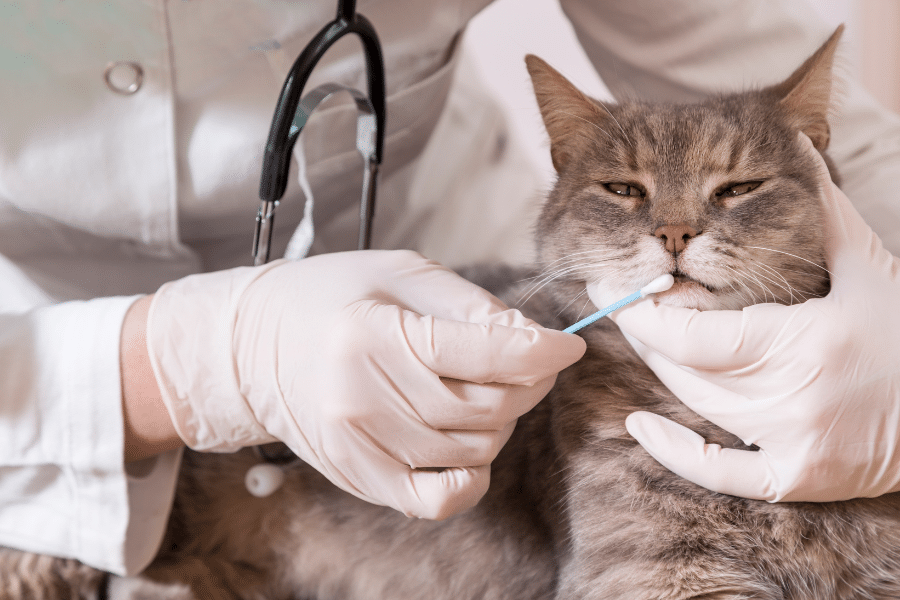
During an urgent veterinary care visit, the veterinarian reviews your pet’s symptoms, checks their overall health, and determines whether diagnostic tests or treatment are needed. The first goal is to understand what has changed and identify any signs that require prompt attention. Your veterinarian will use the examination findings and your observations to decide on the next steps.
The appointment may include several stages:
- Initial assessment: A team member may ask about your pet’s symptoms, when they began, and whether they have become worse.
- Medical history review: The veterinarian may review existing health conditions, medications, previous procedures, and recent changes in your pet’s routine.
- Physical examination: Your pet may be checked for pain, swelling, dehydration, breathing changes, unusual heart sounds, and other signs.
- Diagnostic testing: Depending on the symptoms, the veterinarian may recommend bloodwork, urine testing, X-rays, or ultrasound.
- Treatment planning: Once the findings are reviewed, the veterinarian will explain the recommended care and any follow-up steps.
Not every pet needs every part of this process. A pet with a mild paw injury may need a different assessment than one with repeated vomiting or difficulty urinating. The care plan depends on your pet’s condition.
What Problems May Require Urgent Veterinary Attention?
Some health concerns develop quickly and should not wait for a routine appointment. Changes in appetite, movement, digestion, or behavior can be signs that your pet is uncomfortable or unwell. Even when symptoms seem mild at first, a veterinarian can help determine whether they need prompt attention.
Common reasons to contact a veterinary clinic include:
- Repeated vomiting or ongoing diarrhea
- Sudden limping or difficulty standing
- Cuts, wounds, or bleeding
- Painful swelling or a tender area
- Eye redness, discharge, or squinting
- Difficulty passing urine or frequent attempts to urinate
- Sudden loss of appetite with unusual behavior
- Possible ingestion of a harmful household item
- Unusual weakness or a sudden change in activity
Pay attention to how your pet behaves between symptoms. A dog that avoids stairs or cries when picked up may be experiencing pain. A cat that hides, stops eating, or repeatedly visits the litter box may also need an examination.
Do not give human pain medication or leftover prescriptions unless a veterinarian specifically recommends them. Some common medicines can be harmful to pets. When you are unsure whether a symptom needs prompt attention, call the clinic and describe what you have noticed.
How Do Veterinarians Examine and Treat Pets During an Urgent Visit?
The examination is guided by your pet’s symptoms and medical history. The veterinarian may begin by checking your pet’s temperature, heart rate, breathing, hydration, and general responsiveness. They may then focus on a particular area, such as the abdomen, joints, skin, ears, or eyes.
If the physical examination does not provide enough information, diagnostic testing may help identify the cause. For example, bloodwork can provide information about organ function and signs of inflammation. X-rays may help evaluate certain injuries or changes inside the chest or abdomen. Urine testing can be useful when a pet has changes in urination.
Hypothetical case study: Imagine a dog named Milo who suddenly begins limping after playing in the yard. His owner notices that he avoids putting weight on one front paw. During the appointment, the veterinarian examines the paw and leg, checks for tenderness and swelling, and recommends imaging based on the findings. The results help guide a treatment plan that includes appropriate rest and follow-up care.
Treatment varies according to the diagnosis. It may involve wound care, pain management prescribed for pets, fluids, medication, or additional testing. The veterinarian should explain the reason for each recommendation and what signs to monitor at home.
How Can You Prepare for Your Pet’s Appointment?
A little preparation can make the appointment smoother and help the veterinarian understand what has happened. You do not need to know the cause of the problem before calling. Clear observations are more useful than trying to diagnose your pet yourself.
Before leaving home, gather:
- A timeline of symptoms: Write down when the problem began and whether it has changed.
- Medication information: Bring the names and doses of any medicines or supplements your pet currently receives.
- Medical history: Have previous test results or relevant records available if possible.
- Photos or videos: A short recording of unusual movement, coughing, or behavior can help explain symptoms that may not occur during the appointment.
- Possible exposure details: If your pet may have eaten something unusual, bring the packaging or a photo of the item.
- A secure carrier or leash: Keep your pet safely contained during travel and while waiting.
Call ahead to explain the symptoms and ask about appointment availability. If your pet’s condition changes while you are preparing to leave, contact the clinic again for guidance.
What Happens After an Urgent Veterinary Care Visit?
Before you leave, make sure you understand the treatment instructions and what to expect during recovery. Your veterinarian may explain how to give medication, whether your pet needs restricted activity, and when a follow-up examination should take place.
At home, follow the instructions carefully. Keep medication in its original packaging and use the prescribed dose and schedule. Do not stop a treatment early or change the amount without checking with your veterinarian.
Your pet may need:
- A quiet resting area away from busy household activity
- Temporary limits on running, jumping, or rough play
- A specific feeding or medication schedule
- Monitoring for changes in appetite, drinking, movement, or behavior
- A follow-up visit or additional diagnostic testing
Contact the clinic if symptoms do not improve as expected or if new concerns develop. If your pet has difficulty breathing, collapses, has uncontrolled bleeding, or cannot pass urine, seek immediate veterinary attention rather than waiting for a routine follow-up.
When Should You Contact a Veterinarian About Sudden Symptoms?
It can be difficult to judge the seriousness of a new symptom, particularly when your pet cannot show exactly where it hurts. A sudden change from normal behavior is worth taking seriously. Contact a veterinarian when your pet has repeated digestive problems, a new injury, signs of pain, unusual weakness, or changes in eating and drinking that concern you.
Some signs need immediate attention. These include severe breathing difficulty, collapse, seizures, heavy bleeding, a swollen abdomen with distress, or repeated unproductive attempts to urinate. Do not wait to see whether these signs disappear.
For less severe concerns, calling the clinic can help you understand how soon your pet should be examined. Explain the symptoms, their duration, and any changes you have noticed. Prompt communication helps the veterinary team recommend an appropriate next step.
How Can You Help Your Pet Stay Comfortable After the Visit?
Your pet may need time to settle after an unfamiliar appointment. Keep the home environment calm and follow the care plan provided by the veterinarian. Avoid encouraging activity before your pet is ready, even if they seem more energetic.
A few simple habits can support recovery:
- Give your pet a comfortable place to rest.
- Keep food and water easy to reach if recommended.
- Separate your pet from rough play with other animals.
- Check the affected area only as instructed.
- Give prescribed medication on schedule.
- Keep a note of any changes in symptoms.
Patience is important. Some pets recover quickly, while others need several days of careful monitoring or additional treatment. If you are unsure whether your pet’s progress is normal, contact the clinic instead of changing the care plan yourself.
Conclusion
An urgent veterinary appointment helps identify the cause of sudden health changes and gives your pet a suitable path toward treatment. Knowing what to expect, keeping a record of symptoms, and bringing relevant medical information can make the process easier. After the visit, follow the veterinarian’s instructions and watch for changes that may need further attention. If your pet develops an unexpected health concern and you are looking for urgent vet care near you, call Family Pet Clinic at (215) 357-6357 located in Feasterville, PA,which can help you understand the next steps and determine the care your pet may need. When something does not seem right, reaching out to a veterinary professional is a sensible first step.
Frequently Asked Questions
Q1. What is an urgent veterinary care visit?
Ans: An urgent veterinary care visit is an appointment for a sudden health problem that needs timely assessment but may not require a routine wellness visit. The veterinarian examines your pet, reviews symptoms, and recommends testing or treatment based on the findings.
Q2. What symptoms mean my dog or cat may need urgent veterinary care?
Ans: Repeated vomiting, ongoing diarrhea, sudden limping, painful swelling, eye problems, and changes in urination are reasons to contact a veterinarian. Severe breathing difficulty, collapse, seizures, or heavy bleeding require immediate attention.
Q3. Will my pet need X-rays or bloodwork during an urgent appointment?
Ans: Not every pet needs diagnostic testing. The veterinarian may recommend bloodwork, urine testing, X-rays, or ultrasound if the physical examination suggests that more information is needed.
Q4. How long does an urgent veterinary appointment take?
Ans: Appointment length depends on your pet’s symptoms, the examination, and whether testing or treatment is needed. Ask the clinic about expected timing when you call, as some cases require more assessment than others.
Q5. Where can I ask about urgent veterinary care in Feasterville?
Ans: You can contact Family Pet Clinic to discuss your pet’s symptoms and ask about the next available appointment. Share when the symptoms began, how your pet is behaving, and any relevant medical history so the team can guide you.