
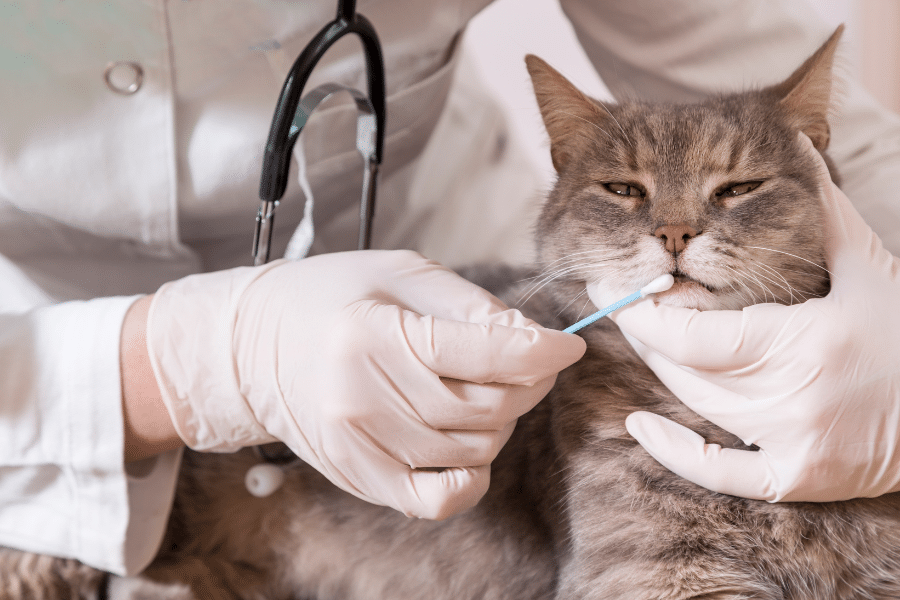
A sudden health concern can leave you wondering whether your pet needs to see a veterinarian right away. Perhaps your dog has started vomiting, your cat is walking differently, or your normally active pet has become unusually quiet. These changes can be difficult to assess at home. A veterinary urgent care visit gives your pet an opportunity to receive a timely examination and appropriate care. Understanding how the appointment works can make the experience less stressful for both of you. For pet owners in Southampton, PA, this guide explains what may happen during the visit, which symptoms deserve attention, and how to support your pet afterward.
What Happens During a Veterinary Urgent Care Visit?
A veterinary urgent care visit begins with a review of your pet’s symptoms and a physical examination. The veterinarian looks for signs of pain, illness, or injury and decides whether additional testing or treatment is needed. The process is based on your pet’s current condition, so the steps may differ from one appointment to another.
A typical visit may include:
- Symptom review: The veterinary team asks what happened, when the symptoms started, and whether they have changed.
- Medical history: The veterinarian reviews existing conditions, medications, previous procedures, and other relevant details.
- Physical examination: Your pet may be checked for changes in temperature, heart rate, breathing, hydration, movement, and comfort.
- Diagnostic testing: Bloodwork, urine testing, X-rays, or ultrasound may be recommended when more information is needed.
- Care recommendations: The veterinarian explains the findings and discusses treatment, home care, or follow-up appointments.
Some concerns can be assessed through a physical examination, while others need diagnostic testing. For example, a pet with a small surface wound may need a different evaluation from one with repeated vomiting or trouble urinating.
Which Pet Health Problems May Need Urgent Care?
A sudden change in your pet’s health can have several possible causes. Some problems may be linked to an injury, while others may involve digestion, the urinary system, skin, eyes, or general health. A veterinarian can help determine what is causing the symptoms and how quickly your pet needs care.
Contact a veterinary clinic if you notice:
- Repeated vomiting or diarrhea
- Sudden limping or reluctance to walk
- Cuts, puncture wounds, or swelling
- Persistent scratching or painful skin changes
- Redness, discharge, or squinting in an eye
- Difficulty urinating or frequent attempts to urinate
- A sudden decrease in appetite
- Unusual tiredness or behavior changes
- Possible ingestion of an unsafe substance or object
Look at the full picture rather than judging a symptom by itself. A dog that skips one meal but continues to play may need a different assessment from a dog that refuses food and becomes weak. Similarly, a cat that spends more time hiding may be showing a sign of discomfort.
Avoid giving human medication without veterinary direction. Even medicines commonly used by people can cause harmful reactions in animals. If you are uncertain about a symptom, contact a veterinary professional for guidance.
How Does a Veterinarian Determine the Cause of Your Pet’s Symptoms?
The veterinarian uses the history you provide and the physical examination to narrow down possible causes. They may check your pet’s abdomen, joints, ears, eyes, skin, and mouth, depending on the symptoms. They will also consider your pet’s age, existing health conditions, and recent activities.
When further information is needed, diagnostic tests can help. Bloodwork may provide details about organ function and certain signs of illness. Urine testing can help investigate urinary concerns, while X-rays may show certain injuries or changes inside the body. Ultrasound can provide images of internal organs and soft tissues.
Hypothetical case study: Consider a cat named Luna who begins visiting her litter box more often but produces very little urine. Her owner also notices that she seems uncomfortable and is grooming herself more than usual. During the examination, the veterinarian checks Luna’s abdomen and recommends appropriate testing to investigate the urinary problem. The findings help determine the treatment and monitoring she needs.
The veterinarian should explain what the test results mean and why a particular treatment is recommended. Ask questions if any part of the plan is unclear. Understanding the reason for each step makes it easier to follow the instructions at home.
How Should You Prepare for an Urgent Veterinary Appointment?
You do not need to identify the problem before bringing your pet in. Your observations can provide valuable information, even if you are unsure what caused the symptoms.
Before the appointment, try to collect:
- A symptom timeline: Note when the problem began and whether it is getting better or worse.
- Medication details: List all current prescriptions, supplements, and recent treatments.
- Medical records: Bring previous test results or records related to the current concern.
- Recent activity details: Mention unusual exercise, outdoor exposure, changes in food, or possible contact with unfamiliar objects.
- Photos or videos: Record unusual movement, coughing, or behavior when it is safe to do so.
- A list of questions: Write down anything you want the veterinarian to explain.
Use a secure carrier for cats and a suitable leash or harness for dogs. Call ahead to describe the symptoms and ask about appointment availability. If your pet’s condition becomes more serious while you are preparing, contact the clinic for updated guidance.
What Treatment Might Your Pet Receive During the Visit?
Treatment depends on the problem identified during the examination. Some pets may need basic wound care or medication, while others may require fluids, additional diagnostic tests, or closer monitoring. The veterinarian will consider your pet’s age, health history, symptoms, and test results before recommending a plan.
Possible parts of a treatment plan include:
- Cleaning and caring for certain wounds
- Medication prescribed for your pet’s condition
- Fluids when dehydration is a concern
- Pain management appropriate for animals
- Instructions for limiting activity
- Follow-up examinations or additional testing
Not every treatment is suitable for every pet. For instance, medication may be appropriate for one cause of digestive upset but not another. This is why an examination is important before starting treatment.
Before leaving, ask how to give any prescribed medication, what side effects to watch for, and when your pet should begin to feel better. Make sure you know whom to contact if the symptoms continue or change.
What Should You Do After Your Pet’s Urgent Care Appointment?
The care your pet receives at home is an important part of the recovery process. Follow the veterinarian’s instructions closely, even if your pet appears more comfortable after treatment. Some symptoms can improve before the underlying problem has fully resolved.
At home, you may need to:
- Provide a quiet and comfortable resting area.
- Follow the recommended feeding and medication schedule.
- Limit jumping, running, or rough play when advised.
- Monitor appetite, drinking, urination, and bowel movements.
- Check wounds or treated areas only as instructed.
- Attend the recommended follow-up appointment.
Keep a record of any changes that occur after the visit. If your pet develops new symptoms, refuses food or water, or does not improve as expected, contact the clinic. Severe breathing difficulty, collapse, seizures, or heavy bleeding require immediate veterinary attention.
When Should You Seek Veterinary Attention for Your Pet?
Contact a veterinarian when your pet develops a sudden symptom that is unusual for them, especially if it continues, becomes worse, or affects normal activities. Repeated vomiting, painful movement, changes in urination, and unusual weakness should not be ignored.
Certain symptoms require immediate attention rather than waiting for a scheduled appointment. These include difficulty breathing, collapse, uncontrolled bleeding, seizures, or a pet that cannot pass urine. If you are unsure about the seriousness of a symptom, explain what you see when you call the clinic.
Early communication can help you understand the appropriate next step. You can also ask what information to bring and whether your pet should avoid food or activity before the examination. Follow the clinic’s instructions rather than trying home treatments without veterinary guidance.
Conclusion
A veterinary urgent care appointment helps identify sudden health concerns and gives your pet a suitable treatment plan. Knowing what information to bring, understanding the examination process, and following the recommended care instructions can make the experience easier. Keep an eye on changes in your pet’s behavior, appetite, movement, and comfort, and contact a veterinarian when something seems unusual. If you are searching for a veterinarian near you, then Family Pet Clinic in Southampton, PA, can help you understand the next steps when your pet needs timely veterinary attention. Your observations matter, and sharing them clearly can help the veterinary team make informed care decisions.
Frequently Asked Questions
Q1. What is a veterinary urgent care visit?
Ans: A veterinary urgent care visit is an appointment for a sudden illness, injury, or health change that needs timely assessment. The veterinarian examines your pet and recommends testing or treatment based on the symptoms and examination findings.
Q2. What are common reasons a pet needs urgent veterinary care?
Ans: Repeated vomiting, ongoing diarrhea, sudden limping, wounds, eye problems, painful swelling, and changes in urination are common reasons to contact a veterinarian. The urgency depends on the symptoms and your pet’s overall condition.
Q3. Does a veterinary urgent care visit include diagnostic testing?
Ans: Diagnostic testing may be recommended when the physical examination does not provide enough information. Depending on the concern, testing may include bloodwork, urine analysis, X-rays, or ultrasound.
Q4. Should I call a veterinary clinic before bringing my pet in?
Ans: Calling ahead is helpful because the clinic can explain appointment availability and provide instructions based on your pet’s symptoms. However, signs such as severe breathing difficulty, collapse, or uncontrolled bleeding require immediate attention.
Q5. Where can Southampton pet owners ask about urgent veterinary care?
Ans: Family Pet Clinic can help pet owners discuss sudden health concerns and understand the next steps for arranging care. Be ready to explain your pet’s symptoms, when they began, and any relevant medical history.