Halloween is a fun time to dress up, take photos, and enjoy festive activities with your pet. A tiny pumpkin costume or a superhero outfit may look adorable, but the right fit matters more than the appearance. Some costumes can restrict movement, cause skin irritation, block vision, or make it harder for your pet to breathe comfortably. Other pets may simply feel stressed when wearing clothing they are not used to. Before dressing your dog or cat for Halloween, it helps to know what makes a costume safe and when it is better to skip it. Family Pet Clinic serves pet owners in Feasterville, Southampton, and Horsham, PA, and this guide explains how to choose a comfortable costume, recognize signs of distress, and keep Halloween enjoyable for your pet.
Are Halloween Costumes Safe for Dogs and Cats?
Halloween costumes can be safe for dogs and cats when they fit properly, allow natural movement, and do not cover important sensory areas. Choose lightweight materials, avoid small detachable parts, and supervise your pet whenever the costume is on. If your pet shows signs of stress or discomfort, remove the costume rather than forcing them to wear it.
Some pets enjoy wearing a soft bandana or a simple festive shirt. Others feel uncomfortable with anything placed over their body. Both reactions are normal, and your pet does not need a full costume to join the celebration.
Before choosing an outfit, consider your pet’s:
- Comfort level: Your pet should be able to relax rather than freeze, hide, or struggle.
- Mobility: The costume should not interfere with walking, sitting, lying down, or using the bathroom.
- Breathing and vision: Nothing should press against the neck or cover the nose, mouth, or eyes.
- Skin and coat: Rough seams, tight elastic, and scratchy materials can cause irritation.
- Age and health: Older pets and those with existing health concerns may be less comfortable in restrictive clothing.
A simple accessory is often a better choice than a full-body costume. When in doubt, prioritize your pet’s comfort over the look of the outfit.
How Should a Halloween Costume Fit Your Pet?
A safe costume should sit comfortably without squeezing, rubbing, dragging, or slipping. Your pet should be able to move naturally, breathe freely, and see clearly while wearing it. Check the fit before Halloween, when you have plenty of time to make adjustments or choose a different outfit.
Check the neck, chest, and legs
Costumes that are too tight can restrict movement or put pressure on sensitive areas. Loose outfits can catch on furniture, door handles, or other objects. Look closely at the areas where fabric, straps, or elastic touch your pet’s body.
Use this quick fit checklist:
- Neck: The costume should not press on the throat or interfere with a collar.
- Chest and belly: Your pet should be able to breathe, stretch, and sit without restriction.
- Leg openings: The fabric should not pull the legs together or change your pet’s normal stride.
- Length: The outfit should not drag on the ground or get under your pet’s paws.
- Fasteners: Zippers, buttons, ties, and hook-and-loop closures should not pinch skin or pull fur.
- Bathroom access: Your pet should be able to urinate and pass stool without the costume getting in the way.
Do not rely on size labels alone. A costume marked for a medium dog may still fit poorly because pets have different body shapes. If you are unsure, try the outfit briefly at home and watch how your pet moves.
Choose breathable, lightweight materials
Soft, breathable fabric is usually more comfortable than heavy, stiff, or scratchy material. Avoid costumes with rough seams, sharp edges, or decorations that press into the skin. Thick outfits can also make some pets too warm, especially if they are active or the weather is mild.
If your pet has sensitive skin or a thick coat, check underneath the costume after a short trial. Redness, repeated scratching, or rubbing can indicate that the material is irritating your pet.
What Costume Hazards Should Pet Owners Watch For?
A costume can look harmless but still contain features that put pets at risk. Small decorations, hanging pieces, tight straps, and face coverings deserve special attention. Inspect the entire outfit before your pet wears it, including the inside seams and fasteners.
Watch for these common hazards:
- Small decorations: Beads, bells, buttons, sequins, and plastic pieces may be swallowed if they come loose.
- Dangling strings or ribbons: These can catch on objects or become tangled around a leg or neck.
- Face coverings: Masks, hoods, and hats can block vision, interfere with hearing, or make breathing uncomfortable.
- Long fabric panels: Capes and oversized sleeves can drag, trip your pet, or become caught on furniture.
- Tight elastic: Bands around the neck, legs, or belly can pinch skin or restrict movement.
- Sharp or rigid accessories: Plastic spikes, wire frames, and hard decorations can poke the skin or injure the eyes.
Never leave your pet unattended in a costume, even if it seems secure. Pets may chew at unfamiliar fabric or try to remove accessories when you are not watching.
If your pet chews off or swallows part of a costume, contact a veterinarian for advice. Do not try to make your pet vomit unless a veterinarian specifically tells you to do so. If your pet is choking, struggling to breathe, or collapsing, seek urgent veterinary care immediately.
How Can You Tell If Your Pet Is Uncomfortable in a Costume?
Pets communicate discomfort through body language and changes in behavior. Some signs are easy to notice, such as struggling to remove the costume. Others are more subtle, including lip licking, repeated yawning, hiding, or suddenly becoming still.
Remove the costume if you notice any of these signs:
- Repeated pawing, biting, or scratching at the outfit
- Freezing in place or refusing to walk
- Crouching, hiding, trembling, or trying to escape
- Flattened ears, a tucked tail, or a tense body
- Unusual panting, drooling, or restlessness
- Repeated rubbing against furniture or the floor
- Coughing, gagging, or signs that breathing is difficult
Do not assume that a pet who stands still is comfortable. Some animals freeze when they feel overwhelmed. Give your pet room to move away, remove the costume gently, and allow time to relax.
If signs of distress continue after the costume is removed, or if your pet develops skin swelling, persistent coughing, unusual weakness, or breathing difficulty, contact a veterinarian. Breathing problems require urgent veterinary attention.
How Can You Help Your Pet Get Used to a Halloween Costume?
The safest way to introduce a costume is slowly, with short sessions and positive experiences. Never force your pet to wear an outfit or punish them for resisting it. If your pet seems worried from the start, a festive bandana or a themed collar may be a more comfortable alternative.
Try these steps before Halloween:
- Let your pet investigate. Place the costume on the floor and allow your pet to sniff it at their own pace.
- Start with a small accessory. A lightweight bandana or simple fabric piece may feel less restrictive than a full outfit.
- Keep the first try brief. Put the costume on for only a short period while your pet is calm.
- Offer praise and treats. Reward relaxed behavior, but do not use treats to distract your pet from obvious distress.
- Watch their movement. Check whether your pet can walk, turn, sit, and lie down normally.
- Remove the costume before stress builds. End the session if your pet starts struggling, hiding, or repeatedly trying to take it off.
A hypothetical example
Imagine a family preparing their small dog for a Halloween gathering. The dog initially seems comfortable in a soft costume but begins walking stiffly and repeatedly biting at a loose decorative strap. The family removes the outfit, checks the dog’s skin, and switches to a simple bandana. The dog can then join the photos without the discomfort caused by the original costume.
This example shows why a brief fitting session matters. A costume that looks right in a photo may still be uncomfortable once your pet starts moving.
What Are Safer Alternatives to Full Halloween Costumes?
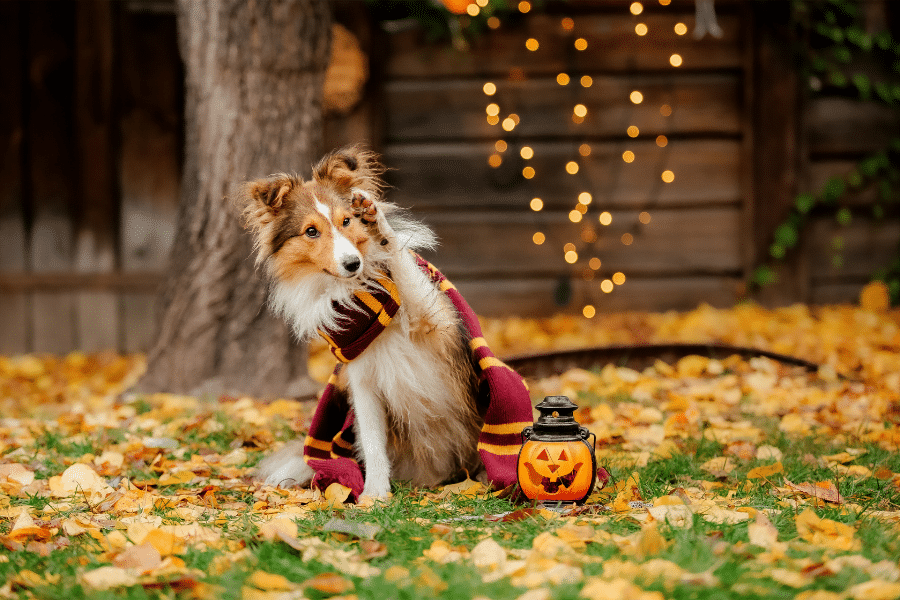
Your pet can take part in Halloween without wearing a complete outfit. For animals that dislike clothing, a simple accessory or a festive photo setup can be just as fun. While taking photographs of your pets during Halloween choose options that do not restrict movement or introduce loose parts that your pet might chew.
Consider these alternatives:
- A lightweight bandana: Choose one that fits comfortably and does not hang low enough to catch on objects.
- A themed collar: Check that it fits correctly and has no loose decorations that could be swallowed.
- A Halloween-themed bed or blanket: Let your pet pose beside festive decorations rather than wearing them.
- A supervised photo area: Use a calm space with safe decorations placed out of reach.
- A simple color theme: A familiar accessory in orange, black, or another seasonal color can create a festive look without a full costume.
Keep your pet away from decorations that could be chewed or swallowed, including fake cobwebs, small plastic pieces, and dangling strings. Never leave props on your pet if they can become tangled or restrict movement.
If you plan to take your pet outdoors for photos or a neighborhood event, use a properly fitted harness or collar and a secure leash. A costume should never interfere with safe restraint. Keep your pet away from crowded or noisy situations if they seem uneasy.
When Should You Contact a Veterinarian About Costume-Related Problems?
Most mild discomfort improves after the costume is removed. However, some problems need veterinary advice, especially if your pet may have swallowed part of the outfit or has an injury from a strap or accessory.
Contact a veterinarian if you notice:
- Redness, swelling, or sores where the costume touched the skin
- Persistent scratching or discomfort after the outfit is removed
- Limping or unusual movement that does not quickly improve
- Repeated coughing, gagging, or vomiting after chewing costume material
- Possible swallowing of buttons, beads, fabric, or other costume pieces
Seek urgent veterinary care if your pet has trouble breathing, collapses, becomes extremely weak, or appears to be choking. If an object may have been swallowed, do not wait for symptoms to develop before asking for veterinary guidance.
For pet owners in Feasterville, Southampton, and Horsham, PA, Family Pet Clinic can help answer questions about your pet’s comfort and health. If you are uncertain whether a costume-related symptom needs attention, describe what happened, what material may be involved, and what signs you are seeing.
How Can You Make Halloween Comfortable for Your Pet?
A happy Halloween does not depend on an elaborate costume. Your pet’s comfort, safety, and normal behavior should guide every decision. A well-fitting outfit may work for some pets, while others are happier wearing a simple accessory or joining the celebration without any clothing.
Before Halloween, remember these key tips:
- Choose lightweight materials and a comfortable fit.
- Keep the face, nose, mouth, eyes, and ears unobstructed.
- Avoid small decorations and dangling parts that may be chewed or swallowed.
- Introduce the outfit gradually and supervise your pet at all times.
- Remove the costume as soon as your pet shows signs of stress.
Most importantly, let your pet decide what they can tolerate. A relaxed pet in a simple bandana is a better choice than an uncomfortable pet in a full costume. If you have concerns about irritation, movement, or a possible swallowed accessory, contact your veterinarian for guidance.
Family Pet Clinic is here to support pet owners in Feasterville, Southampton, and Horsham, PA, with guidance to help keep pets comfortable and safe throughout the year. If your pet develops a costume-related concern or you need advice before Halloween, contact the clinic to discuss your pet’s needs.
Frequently Asked Questions
Q1: Can dogs wear Halloween costumes safely?
A: Yes, many dogs can wear costumes safely when the outfit fits properly, allows free movement, and does not restrict breathing or vision. Introduce the costume gradually and supervise your dog while it is on. Remove it if your dog seems stressed or uncomfortable.
Q2: How long can a pet wear a Halloween costume?
A: There is no single safe time limit for every pet. Start with a brief fitting session and check your pet’s behavior, skin, and movement. Never leave a pet unattended in a costume, and remove it as soon as discomfort appears.
Q3: Are Halloween costumes safe for cats?
A: Some cats tolerate lightweight accessories, but many dislike wearing clothing. Avoid costumes that cover the face, restrict movement, or contain small parts that can be chewed off. Never force a cat to wear an outfit if they resist or appear distressed.
Q4: What should I do if my pet swallows part of a Halloween costume?
A: Contact a veterinarian promptly and explain what your pet may have swallowed and when it happened. Do not induce vomiting unless a veterinarian instructs you to do so. Seek urgent care if your pet is choking, struggling to breathe, or becoming very weak.
Q5: Can Family Pet Clinic help if my pet develops irritation from a costume?
A: Yes. If your pet develops redness, swelling, persistent scratching, or discomfort after wearing a costume, contact Family Pet Clinic for guidance. Remove the outfit and keep the affected area free from further rubbing while you arrange veterinary advice.