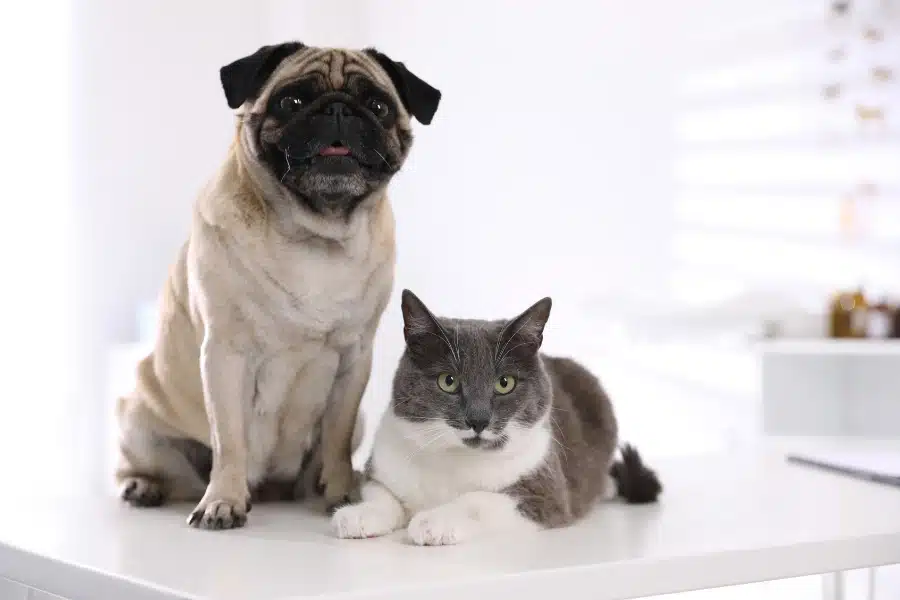

Many pet owners enjoy sharing healthy snacks with their dogs and cats, but not every fruit or vegetable is safe. While some produce can be a nutritious occasional treat, others may cause stomach upset or even serious illness. Understanding which fruits and vegetables cats and dogs can or can’t eat helps you make safer choices and avoid accidental emergencies. At Family Pet Clinic, questions about safe human foods are common, especially from families introducing fresh foods into their pet’s diet. This guide explains which fruits and vegetables are generally safe, which should be avoided, and when veterinary care is needed after your pet eats the wrong food.
Which Fruits and Vegetables Can Cats and Dogs Safely Eat
Some fruits and vegetables can be offered as occasional treats when prepared properly and served in small amounts. They should never replace a complete, balanced pet diet, but they can provide variety for many healthy pets.
Safe options may include:
Fruits
- Apples without seeds or the core
- Bananas
- Blueberries
- Strawberries
- Watermelon without seeds or rind
- Cantaloupe
Vegetables
- Carrots
- Green beans
- Cucumbers
- Cooked pumpkin
- Cooked sweet potatoes
- Cooked peas
Before offering any fresh produce:
- Wash it thoroughly.
- Remove seeds, pits, stems, and tough skins when appropriate.
- Cut it into small pieces to reduce choking risk.
- Introduce only one new food at a time.
Although many dogs enjoy fruits and vegetables, some cats may show little interest because they are obligate carnivores. That is completely normal.
Whenever introducing new foods, moderation is important to help prevent digestive upset.
Which Fruits and Vegetables Should Pets Never Eat
Some produce contains substances that can be harmful or even life-threatening to dogs and cats.
Foods that should be avoided include:
Unsafe fruits
- Grapes
- Raisins
- Cherries with pits
- Unripe persimmons with pits
Unsafe vegetables
- Onions
- Garlic
- Chives
- Leeks
- Raw potatoes with green portions
These foods may cause digestive problems, damage red blood cells, or affect other body systems depending on the amount consumed and the individual pet.
Even small amounts of certain foods may be dangerous for some animals.
Never assume a food is safe simply because it is healthy for people.
If your pet accidentally eats one of these foods, contacting your veterinarian promptly is the safest choice.
Signs Your Pet May Have Eaten Something Harmful
Sometimes pets begin showing symptoms within a few hours after eating an unsafe food, while other problems may develop more gradually.
Watch carefully for signs such as:
- Vomiting
- Diarrhea
- Loss of appetite
- Drooling
- Abdominal pain
- Weakness
- Difficulty walking
- Tremors
- Unusual tiredness
- Changes in normal behavior
Not every pet develops symptoms immediately.
For example, some toxic foods may not cause noticeable illness until internal damage has already begun.
Because of this, it is important to contact your veterinarian whenever you know your pet has eaten a potentially dangerous fruit or vegetable, even if they appear normal.
Early guidance often leads to better outcomes.
How Veterinarians Treat Pets That Eat Unsafe Foods
If your pet has eaten a harmful fruit or vegetable, your veterinarian will first determine what was eaten, approximately how much was consumed, and when it happened.
A complete physical examination helps identify whether your pet is already showing signs of illness.
Depending on the situation, recommended diagnostics may include:
- Physical examination
- Blood work
- Urinalysis
- Imaging if an obstruction is suspected
Treatment varies according to the food involved and your pet’s condition.
Possible treatments include:
- Monitoring
- Fluid therapy
- Medications to control vomiting
- Hospitalization
- Supportive care
A realistic example
Imagine Bailey, a four-year-old mixed breed dog, helps herself to a bowl of grapes left on the kitchen table while the family is out. She seems completely normal when her owners return home, but they know grapes can be dangerous and contact the veterinary hospital immediately.
Because Bailey is evaluated promptly, the veterinary team can begin appropriate treatment and close monitoring before serious complications develop. She recovers well and returns home after supportive care.
Although this is a hypothetical example, it reflects the importance of seeking veterinary advice as soon as a potentially toxic food is discovered.
What Pet Owners Can Do Before Calling the Vet
If your pet accidentally eats a fruit or vegetable that may not be safe, try to stay calm. Acting quickly and gathering the right information can help your veterinarian decide what to do next.
Start by identifying exactly what your pet ate.
Make note of:
- The type of fruit or vegetable.
- Approximately how much was eaten.
- Whether seeds, pits, stems, peels, or leaves were consumed.
- The time the food was eaten.
- Any symptoms your pet is showing.
If possible, save the food packaging or any leftover pieces. This information can help your veterinarian identify potential risks.
While waiting for instructions:
- Keep fresh water available.
- Monitor your pet closely.
- Prevent access to more of the food.
- Watch for vomiting, diarrhea, weakness, or unusual behavior.
Avoid these common mistakes:
- Do not give human medications.
- Do not try home remedies unless your veterinarian recommends them.
- Do not wait for symptoms to appear if you know your pet ate a potentially toxic food.
- Do not assume a food is safe because another pet has eaten it before without problems.
When in doubt, calling your veterinary clinic is always the safest choice.
When to Seek Veterinary Care
Some food-related emergencies require immediate medical attention because delaying treatment can allow serious complications to develop.
Seek veterinary care if your pet:
- Eats grapes or raisins.
- Eats onions, garlic, chives, or leeks.
- Swallows a large fruit pit that could cause an intestinal blockage.
- Vomits repeatedly.
- Has severe diarrhea.
- Develops difficulty breathing.
- Appears weak or collapses.
- Has tremors or seizures.
- Refuses food after eating a questionable item.
- Shows severe abdominal pain.
Even if your pet appears completely normal, certain foods can begin causing internal damage before obvious symptoms develop.
Prompt veterinary evaluation from your Southampton vet allows treatment to begin as early as possible and may reduce the risk of serious illness. It is always better to ask questions early than to wait until your pet becomes visibly sick.
Conclusion
Understanding fruits and vegetables cats and dogs can or can’t eat helps you make safer choices every time you share food with your pet. While many fruits and vegetables can be healthy treats when offered in moderation, others may cause serious illness or require emergency veterinary care. Knowing which foods are safe and recognizing the warning signs of toxicity can help protect your pet from preventable emergencies. At Family Pet Clinic in Southampton, PA, we encourage pet owners to contact us whenever they are unsure about something their dog or cat has eaten. If your pet consumes a potentially harmful fruit or vegetable or begins showing concerning symptoms, prompt veterinary care can make an important difference in their recovery.
FAQs
Q1: What fruits are safe for dogs and cats to eat?
A: Many pets can safely enjoy small amounts of apples without seeds, bananas, blueberries, strawberries, watermelon without seeds or rind, and cantaloupe. Always introduce new foods gradually and serve them in moderation.
Q2: Which vegetables are generally safe for pets?
A: Carrots, green beans, cucumbers, cooked pumpkin, cooked sweet potatoes, and cooked peas are commonly offered as occasional treats. They should not replace a balanced pet diet.
Q3: Which fruits and vegetables are dangerous for dogs and cats?
A: Grapes, raisins, onions, garlic, chives, leeks, and raw green potatoes should be avoided. These foods can cause serious health problems and require prompt veterinary guidance if consumed.
Q4: What should I do if my pet eats a toxic fruit or vegetable?
A: Contact your veterinarian immediately, even if your pet seems normal. Early treatment often improves the outcome and may prevent more serious complications.
Q5: Can fruits and vegetables replace my pet’s regular food?
A: No. Fruits and vegetables should only be occasional treats. Dogs and cats need a complete and balanced diet formulated to meet their nutritional requirements.