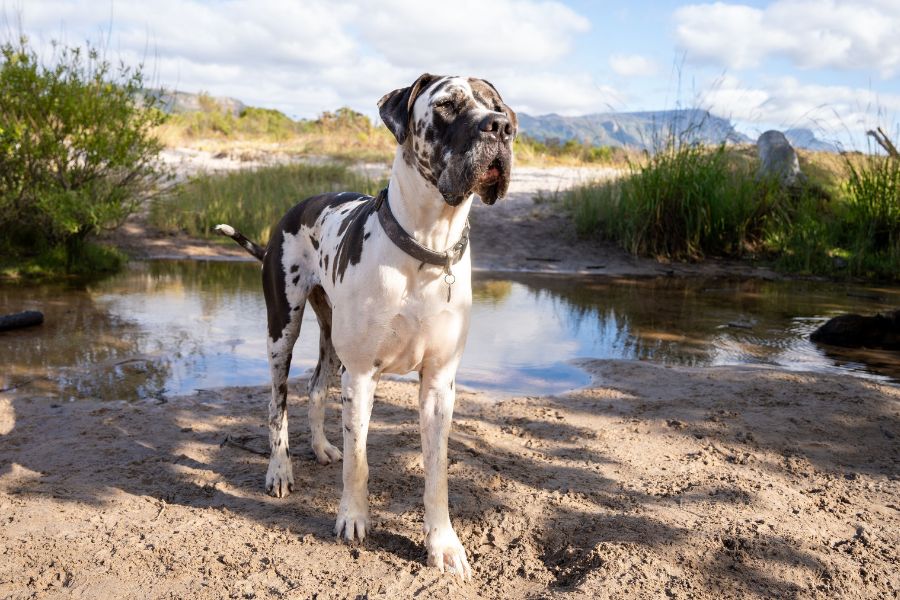
Great Danes are known for their towering size, gentle personality, and deep loyalty. While they bring immense joy to their families, one concern many owners share is their shorter lifespan compared to other breeds. Understanding how to improve the life expectancy of Great Dane dogs starts with informed, consistent care.
This guide walks you through practical, real-world strategies that support a longer, healthier life for your Great Dane—without confusion or guesswork.
Understanding the Life Expectancy of Great Dane Dogs
The average life expectancy of Great Dane dogs ranges between 7 and 10 years. Some may live longer with attentive care, while others may face health challenges that shorten their lifespan.
Several factors influence longevity:
- Genetics and breeding quality
- Nutrition and feeding habits
- Exercise routines
- Preventive veterinary care
- Early detection of health issues
Large and giant breeds age faster than smaller dogs. This means every stage of your Great Dane’s life requires thoughtful attention.
Nutrition That Supports Longevity
Feed for Growth and Maintenance
Great Danes grow rapidly, especially in their first 18–24 months. Feeding the wrong diet during this phase can lead to bone and joint problems.
Focus on:
- Large-breed puppy food during early growth
- Controlled calcium and phosphorus levels
- High-quality protein for muscle support
Avoid overfeeding. Rapid weight gain can stress developing joints.
Portion Control Matters
Obesity is a major risk factor that can reduce the life expectancy of Great Dane dogs.
Tips for portion control:
- Stick to a feeding schedule (2–3 meals per day)
- Measure food accurately
- Limit treats and table scraps
A lean body condition reduces strain on joints and organs.
Preventing Bloat (Gastric Dilatation-Volvulus)
Bloat is one of the most serious conditions affecting Great Danes. It can become life-threatening within hours.
Reduce the Risk
- Avoid feeding one large meal per day
- Keep your dog calm after eating (no exercise for at least 1 hour)
- Use slow-feeder bowls if your dog eats quickly
- Elevate food bowls only if recommended by your veterinarian
Know the Warning Signs
- Swollen abdomen
- Restlessness
- Drooling or retching without vomiting
Immediate veterinary care can save your dog’s life. This is one of the most critical factors in improving the life expectancy of Great Dane dogs.
Joint and Bone Health
Great Danes are prone to joint issues such as hip dysplasia and arthritis.
Support Early Development
- Avoid excessive jumping during puppyhood
- Provide soft bedding for joint comfort
- Maintain a healthy weight
Supplements That Help
Talk to your veterinarian about:
- Glucosamine
- Chondroitin
- Omega-3 fatty acids
These can support joint health and mobility as your dog ages.
Exercise That Builds Strength Without Strain
Great Danes need regular movement, but not extreme activity.
Balanced Exercise Routine
- Daily walks (30–60 minutes total)
- Light play sessions
- Avoid high-impact activities like repetitive jumping
Mental Stimulation Counts
Mental engagement improves overall well-being:
- Puzzle toys
- Basic obedience training
- Social interaction
A well-balanced routine supports both physical and emotional health, which directly impacts the life expectancy of Great Dane dogs.
Routine Veterinary Care Is Essential
Regular veterinary visits play a major role in extending your dog’s life.
Preventive Care Checklist
- Annual or biannual exams
- Vaccinations
- Parasite prevention
- Dental check-ups
Early Detection Saves Lives
Conditions like heart disease, cancer, and thyroid disorders are more manageable when caught early.
If you notice changes in appetite, behavior, or energy levels, don’t wait. Timely care makes a measurable difference.
If your dog needs ongoing monitoring or treatment, visit our website to learn more about veterinary care options available for your pet.
Heart Health and Common Conditions
Great Danes are prone to dilated cardiomyopathy (DCM), a condition affecting heart function.
Watch for Symptoms
- Fatigue
- Coughing
- Difficulty breathing
Proactive Monitoring
Routine heart screenings, especially as your dog ages, can help detect issues early. Managing heart health is a key step in improving the life expectancy of Great Dane dogs.
Creating a Safe and Comfortable Environment
Your dog’s environment affects their health more than you might expect.
Home Setup Tips
- Use non-slip flooring to prevent injuries
- Provide orthopedic bedding
- Ensure easy access to food and water
Temperature Awareness
Great Danes are sensitive to extreme temperatures:
- Keep them cool in summer
- Provide warmth during colder months
A comfortable environment reduces stress and prevents avoidable injuries.
Senior Care for Aging Great Danes
As your Great Dane ages, their needs change.
Adjust Diet and Activity
- Switch to senior dog food when recommended
- Reduce the intensity of exercise
- Monitor weight closely
Increase Veterinary Visits
Older dogs benefit from more frequent check-ups:
- Every 6 months is ideal
- Bloodwork and screenings help track health changes
Supporting your dog through their senior years is one of the most effective ways to extend the life expectancy of Great Dane dogs.
Emotional Well-Being and Social Connection
Great Danes thrive on companionship. Emotional health plays a real role in physical health.
Build Strong Bonds
- Spend quality time daily
- Maintain consistent routines
- Provide positive reinforcement
Avoid Isolation
Dogs left alone for long periods may develop anxiety or depression. This can impact overall health over time.
Responsible Breeding and Genetics
If you are choosing a Great Dane puppy, responsible breeding matters.
What to Look For
- Health-tested parents
- Transparent breeder practices
- Documentation of genetic screening
Good genetics provide a stronger foundation for a longer life.
Conclusion: A Longer Life Starts With Everyday Choices
Improving the life expectancy of Great Dane dogs is not about one single change. It comes from consistent care, smart decisions, and close attention to your dog’s needs at every stage of life.
From proper nutrition and controlled exercise to preventive care and early detection, each step adds years and quality to your dog’s life.
If your Great Dane shows signs of discomfort, changes in behavior, or needs routine care, take action early. Preventive steps make a lasting difference.
Book an appointment with your veterinarian today to create a personalized care plan that supports your Great Dane’s health and longevity.
FAQs About the Life Expectancy of Great Dane Dogs
1. What is the average life expectancy of Great Dane dogs?
A: The average lifespan is 7 to 10 years, though some can live longer with proper care.
2. Can diet improve a Great Dane’s lifespan?
A: Yes. A balanced diet with proper portion control helps prevent obesity and supports overall health.
3. Why are Great Danes prone to shorter lifespans?
A: Their large size leads to faster aging and a higher risk of certain health conditions.
4. How can I prevent bloat in my Great Dane?
A: Feed smaller meals, avoid exercise after eating, and monitor eating speed.
5. How often should I take my Great Dane to the vet?
A: At least once a year for adults and every six months for seniors.
6. What is the biggest health risk for Great Danes?
A: Bloat and heart disease are among the most serious risks.