Summer can be a fun season for dogs, but rising temperatures can quickly become dangerous if your pet gets too hot. Knowing how to keep your dog cool in summer is one of the most important ways to protect their health and prevent heat-related emergencies. Dogs cannot regulate body temperature as efficiently as humans, which means overheating can happen faster than many pet owners realize.
In this guide, you’ll learn the common signs of overheating in dogs, what causes heatstroke, practical cooling tips, and what to do if your dog shows symptoms of heat exhaustion. These simple steps can help your pet stay safe, comfortable, and healthy all summer long.
Why Are Dogs More Sensitive to Heat?
Unlike people, dogs do not sweat through their skin to cool down. They mainly rely on panting and limited sweating through their paw pads. On hot and humid days, this cooling system may not work well enough.
Certain dogs are even more at risk for overheating, including:
- Flat-faced breeds like Bulldogs, Pugs, and Boxers
- Senior dogs
- Puppies
- Overweight pets
- Dogs with heart or breathing conditions
- Thick-coated breeds like Huskies and Golden Retrievers
Even mild outdoor temperatures can become dangerous if a dog is exercising heavily or lacks access to shade and water.
Signs Your Dog May Be Overheating
Recognizing early symptoms is critical when learning how to keep your dog cool in summer. Heat exhaustion can progress quickly into heatstroke, which is a life-threatening emergency.
Early Signs of Overheating
Watch for these common symptoms:
- Heavy or rapid panting
- Excessive drooling
- Bright red gums or tongue
- Lethargy
- Restlessness
- Increased heart rate
- Warm skin or ears
Severe Signs of Heatstroke
If your dog’s condition worsens, you may notice:
- Vomiting or diarrhea
- Weakness or collapse
- Difficulty walking
- Confusion
- Glazed eyes
- Seizures
- Loss of consciousness
Heatstroke can cause organ failure within minutes. Immediate veterinary care is essential.
How to Keep Your Dog Cool in Summer?
Preventing overheating is always safer than treating it. These practical tips can help your dog stay comfortable during hot weather.
Provide Plenty of Fresh Water
Hydration is one of the most important defenses against overheating.
Make sure your dog always has:
- Clean, cool drinking water
- Multiple water bowls indoors and outdoors
- Fresh water during walks and travel
You can also add ice cubes to water bowls or offer frozen dog-safe treats for extra cooling.
Avoid Midday Walks
Pavement and sidewalks become dangerously hot during peak afternoon hours. Hot surfaces can burn your dog’s paw pads and increase body temperature quickly.
Instead:
- Walk your dog early in the morning
- Choose evening walks after sunset
- Stick to grassy or shaded areas
A good rule is to place your hand on the pavement for seven seconds. If it feels too hot for you, it is too hot for your dog.
Never Leave Your Dog in a Parked Car
One of the most dangerous summer mistakes is leaving a dog inside a vehicle, even for a few minutes.
Temperatures inside cars can rise rapidly:
- A car can exceed 100°F within minutes
- Cracked windows do not provide enough ventilation
- Heatstroke can happen very quickly
Never leave your dog unattended in a parked car during warm weather.
Create Cool Indoor Spaces
Keeping your home comfortable can make a huge difference during heat waves.
Helpful cooling strategies include:
- Using fans or air conditioning
- Keeping blinds closed during peak sunlight
- Providing cooling mats or damp towels
- Allowing access to tile or hardwood floors
Some dogs also enjoy resting near fans or lying on elevated cooling beds.
Use Safe Outdoor Shade
If your dog spends time outdoors, shade is essential.
Good shaded options include:
- Covered patios
- Trees
- Pop-up canopies
- Ventilated dog houses
Remember that direct sunlight moves throughout the day, so check shaded areas regularly.
Try Cooling Accessories
Many pet owners use cooling products to help prevent overheating.
Popular options include:
- Cooling vests
- Cooling bandanas
- Elevated cooling beds
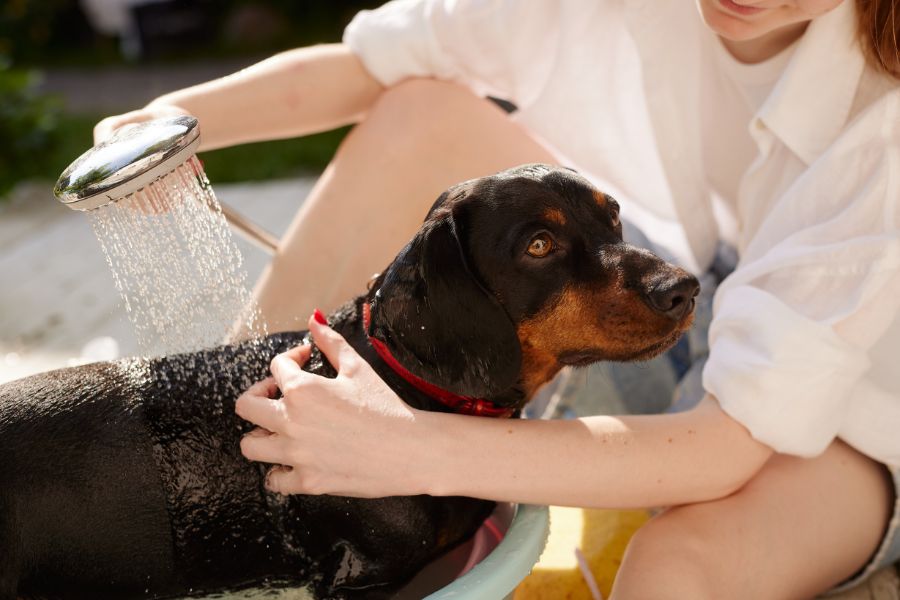
- Pet-safe splash pools
These products can be especially useful for active dogs or breeds prone to heat sensitivity.
Adjust Exercise During Hot Weather
Dogs still need activity during summer, but exercise intensity should change with the temperature.
Safer summer exercise tips include:
- Shorter walks
- Frequent water breaks
- Indoor play sessions
- Swimming in safe areas
- Avoiding strenuous hikes during heat waves
Watch your dog closely for signs of fatigue or overheating during activity.
Which Dogs Are Most at Risk for Heatstroke?
Some dogs struggle with heat more than others. Understanding your dog’s risk level helps you take extra precautions.
Brachycephalic Breeds
Flat-faced dogs have narrowed airways, making panting less effective.
High-risk breeds include:
- Pugs
- French Bulldogs
- Boston Terriers
- Shih Tzus
Thick-Coated Dogs
Heavy fur traps heat, especially during humid weather.
Examples include:
- Huskies
- Malamutes
- Saint Bernards
- Newfoundlands
Older or Overweight Dogs
Dogs with reduced stamina or extra body weight may overheat faster because cooling the body requires more effort.
What to Do If Your Dog Is Overheating?
If you suspect heat exhaustion, quick action can save your dog’s life.
Step 1: Move Your Dog to a Cool Area
Immediately bring your dog indoors or into the shade.
Step 2: Offer Cool Water
Provide small amounts of cool water. Do not force drinking.
Avoid ice-cold water because sudden temperature changes may cause shock.
Step 3: Cool the Body Safely
Use cool, damp towels on areas like:
- Belly
- Paws
- Neck
- Armpits
You can also use fans to improve airflow.
Step 4: Contact a Veterinarian Immediately
Even if your dog seems better, internal complications can still occur after overheating. Veterinary evaluation is strongly recommended.
Common Summer Heat Safety Mistakes
Many cases of heatstroke happen because owners underestimate how quickly dogs can overheat.
Avoid these common mistakes:
- Exercising during peak heat
- Leaving dogs in cars
- Assuming cloudy weather is safe
- Restricting access to water
- Overusing muzzles during hot weather
- Ignoring early panting or fatigue
Being proactive is the best protection.
Summer Activities That Help Keep Dogs Cool
You can still enjoy summer safely with your dog by choosing cooler activities.
Good options include:
- Backyard sprinkler play
- Kiddie pools
- Indoor enrichment games
- Frozen treat puzzles
- Short nature walks near water
- Supervised swimming
Mental stimulation indoors can also help burn energy without overheating.
When to Call the Vet Immediately?
Seek emergency veterinary care if your dog experiences:
- Collapse
- Vomiting
- Seizures
- Difficulty breathing
- Blue or pale gums
- Severe weakness
- Unresponsiveness
Heatstroke is a medical emergency and should never be treated at home alone.
Conclusion
Learning how to keep your dog cool in summer can prevent dangerous overheating and help your pet stay healthy during warm weather. Providing fresh water, limiting heat exposure, adjusting exercise routines, and recognizing early signs of heat exhaustion are simple but effective ways to protect your dog. If your dog shows signs of overheating or heatstroke, prompt veterinary care is critical. For expert summer safety guidance and compassionate pet care, contact Family Pet Clinic in Southampton, PA to schedule an appointment and help your dog stay safe all season long.
FAQs
Q1: What temperature is too hot for dogs outside?
Ans: Temperatures above 85°F can become risky for many dogs, especially during exercise or high humidity. Flat-faced, senior, and thick-coated dogs may overheat even sooner.
Q2: How can I tell if my dog is overheating?
Ans: Common signs include heavy panting, drooling, red gums, lethargy, vomiting, and weakness. Severe overheating can lead to collapse or seizures.
Q3: Can dogs get heatstroke indoors?
Ans: Yes. Poor ventilation, lack of air conditioning, or high indoor humidity can still cause overheating, especially in vulnerable dogs.
Q4: Is it safe to shave my dog during summer?
Ans: Not always. Some breeds rely on their coats for insulation against heat and sunburn. Ask your veterinarian or groomer before shaving your dog.
Q5: What is the fastest way to cool down an overheated dog?
Ans: Move your dog to a shaded or air-conditioned area, offer cool water, apply damp towels to the body, and contact a veterinarian immediately.