If you share your home with a cat, you’ve likely faced this frustrating moment: you walk into the room and find your couch or chair scratched up. It’s not just annoying—it can feel like a constant battle between protecting your furniture and keeping your cat happy.
The good news is that you don’t have to choose one over the other. With the right approach, you can protect your home and meet your cat’s natural needs at the same time.
This guide explains how to stop cats from scratching furniture, why cats do it, and what practical steps actually work.
Why Do Cats Scratch Furniture?
Before fixing the behavior, it’s important to understand it. Scratching is not bad behavior—it’s a natural and necessary part of a cat’s life.
1. It Helps Maintain Their Claws
Cats scratch to remove the outer layer of their claws. This keeps their claws healthy and sharp.
2. It Marks Territory
Cats have scent glands in their paws. When they scratch, they leave both a visible mark and a scent signal. This helps them feel secure in their space.
3. It Stretches Their Muscles
Scratching gives cats a full-body stretch, especially after waking up.
4. It Releases Energy and Stress
Scratching can help cats burn energy or cope with stress, especially in indoor environments.
When you understand these reasons, it becomes clear: the goal is not to stop scratching completely. The goal is to redirect it.
How Do I Stop Cat Scratching Furniture?
If you’re asking, “How do I stop cat scratching furniture without harming my pet?”—you’re already on the right track. The answer lies in a mix of redirection, environment setup, and consistency.
Let’s break it down into simple, actionable steps.
Provide Better Scratching Alternatives
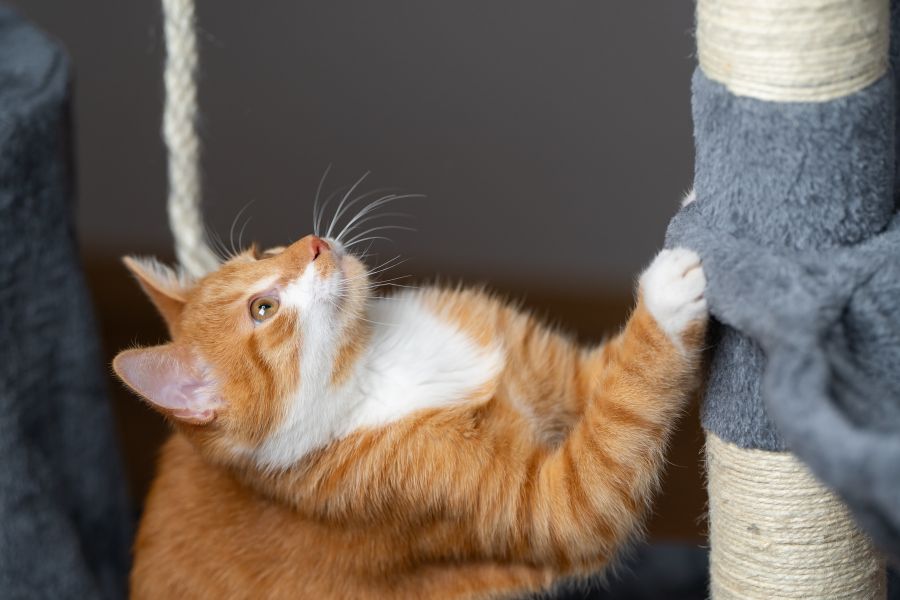
Choose the Right Scratching Post
Not all scratching posts are equal. Your cat may ignore one that doesn’t meet their preferences.
Look for:
- Height: Tall enough for a full stretch
- Stability: It should not wobble
- Material: Sisal, cardboard, or rough fabric
Place It Strategically
Location matters more than most people think.
Place scratching posts:
- Near your cat’s favorite resting areas
- Close to the furniture, they already scratch
- Along common walking paths
If your cat scratches the couch corner, put a post right next to it.
Make Furniture Less Appealing
While you provide better options, you also want to reduce the appeal of your furniture.
Use Deterrents
Cats dislike certain textures and smells.
Try:
- Double-sided tape on scratch zones
- Furniture covers or slipcovers
- Pet-safe sprays with scents cats avoid
Block Access Temporarily
If needed, limit access to problem areas while training your cat. This helps break the habit faster.
Trim Your Cat’s Nails Regularly
Shorter nails cause less damage and reduce the urge to scratch aggressively.
Tips:
- Trim every 2–3 weeks
- Use proper cat nail clippers
- Reward your cat after each session
If you’re unsure how to do this safely, consider reaching out to a veterinary team. For guidance on proper nail care or behavioral concerns, you can visit our website to learn more about available support.
Reward the Right Behavior
Cats respond well to positive reinforcement.
When your cat uses the scratching post:
- Offer treats
- Use gentle praise
- Add playtime as a reward
Avoid punishment. It creates fear and does not teach the right behavior.
Keep Your Cat Mentally and Physically Stimulated
A bored cat is more likely to scratch furniture out of frustration.
Add Daily Play Sessions
Use toys that encourage movement:
- Feather wands
- Laser pointers
- Interactive toys
Create Vertical Spaces
Cats love climbing and observing from above.
Consider:
- Cat trees
- Wall shelves
- Window perches
A well-stimulated cat is less likely to damage your furniture.
Use Soft Nail Caps (If Needed)
Soft nail caps are a safe option for some cats. They cover the claws and prevent damage.
They are:
- Painless
- Temporary
- Available in various sizes
Ask your veterinarian if this option suits your cat.
Stay Consistent With Training
Consistency is the key to success.
- Redirect your cat every time they scratch furniture
- Reinforce good behavior daily
- Keep scratching posts accessible
It may take a few weeks, but steady effort brings results.
Common Mistakes to Avoid
Even with good intentions, some approaches can make things worse.
1. Punishing Your Cat
Yelling or spraying water can create fear and confusion. It does not teach your cat what to do instead.
2. Declawing
Declawing is a surgical procedure that removes part of the toe. It can lead to long-term pain and behavioral issues. It is not recommended.
3. Removing All Scratching Options
Cats will always find a place to scratch. Without proper alternatives, they will return to your furniture.
When to Seek Veterinary Advice
Sometimes scratching becomes excessive or linked to stress.
Watch for:
- Sudden increase in scratching
- Signs of anxiety or hiding
- Changes in eating or grooming
In these cases, a veterinary visit can help rule out underlying issues and guide behavior changes.
Bringing It All Together
Learning how to stop cats from scratching furniture comes down to understanding, patience, and smart adjustments in your home.
You are not trying to stop your cat from being a cat. You are guiding that natural behavior in the right direction.
By:
- Providing better scratching options
- Making furniture less appealing
- Rewarding good habits
- Keeping your cat engaged
You create a home where both you and your cat can feel comfortable.
Conclusion: A Practical Path Forward
Scratching does not have to be a constant problem. With the right setup and consistent effort, you can protect your furniture while keeping your cat healthy and happy.
If scratching behavior feels difficult to manage or you notice signs of stress, professional guidance can make a difference. You can book an appointment to discuss your cat’s behavior and get tailored advice that fits your home and lifestyle.
Small changes lead to lasting results. Start today, stay consistent, and you’ll see progress.
Frequently Asked Questions(FAQs):
1. How do I stop my cat from scratching the couch specifically?
Place a scratching post right next to the couch and cover the area with double-sided tape. Reward your cat when they choose the post instead.
2. Why is my cat suddenly scratching furniture more than before?
Changes in environment, stress, or boredom can increase scratching. Look for recent changes in your home or routine.
3. Do scratching posts really work?
Yes, when chosen correctly and placed in the right location. Cats prefer sturdy and tall posts.
4. Is it okay to use sprays to stop scratching?
Yes, as long as they are pet-safe. They should be used along with positive reinforcement, not as the only solution.
5. How often should I trim my cat’s nails?
Every 2–3 weeks is ideal. Regular trimming reduces damage and helps manage scratching behavior.
6. Can older cats be trained to stop scratching furniture?
Yes. With patience and consistency, cats of any age can learn to use appropriate scratching areas.