If your cat suddenly bites during playtime or while being petted, you are not alone. Many cat owners struggle with unexpected biting behavior, and it can quickly turn frustrating or even painful. The good news is that these behaviors can often be corrected with the right vet-approved tips and a better understanding of your cat’s needs.
In this guide, you will learn why cats bite, how to recognize warning signs, and the most effective vet-approved tips to stop biting safely. These strategies are practical, humane, and designed to improve your relationship with your cat while keeping everyone safe.
Why Do Cats Bite?
Before using vet-approved tips to stop biting, it is important to understand why cats bite in the first place. Biting is a natural feline behavior, but it can become a problem when it is frequent or aggressive.
Here are some common reasons cats bite:
1. Play Aggression
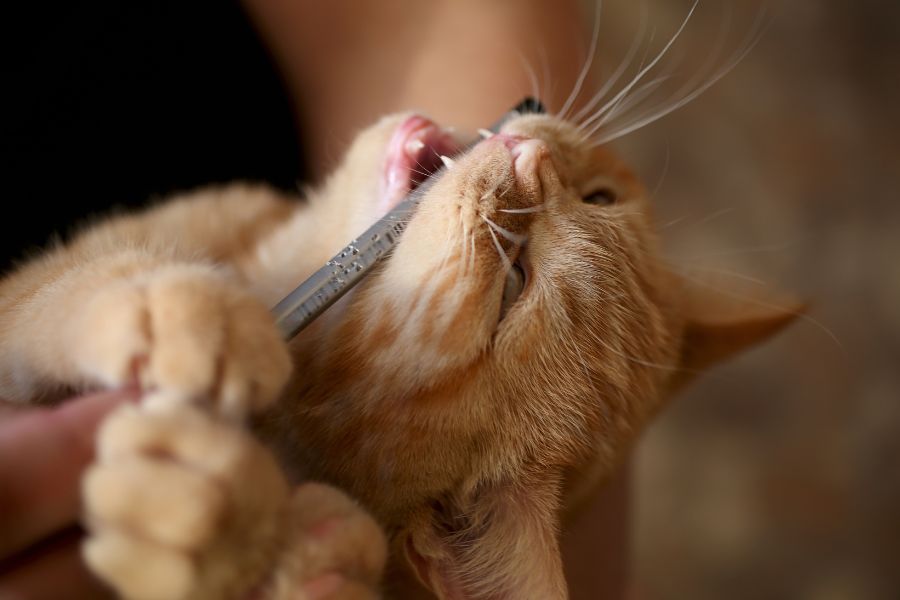
Cats are natural hunters. When they do not have enough outlets for their energy, they may treat your hands or feet as prey.
Signs of play aggression include:
- Dilated pupils
- Tail flicking
- Pouncing on moving objects
- Gentle bites that become stronger
2. Overstimulation
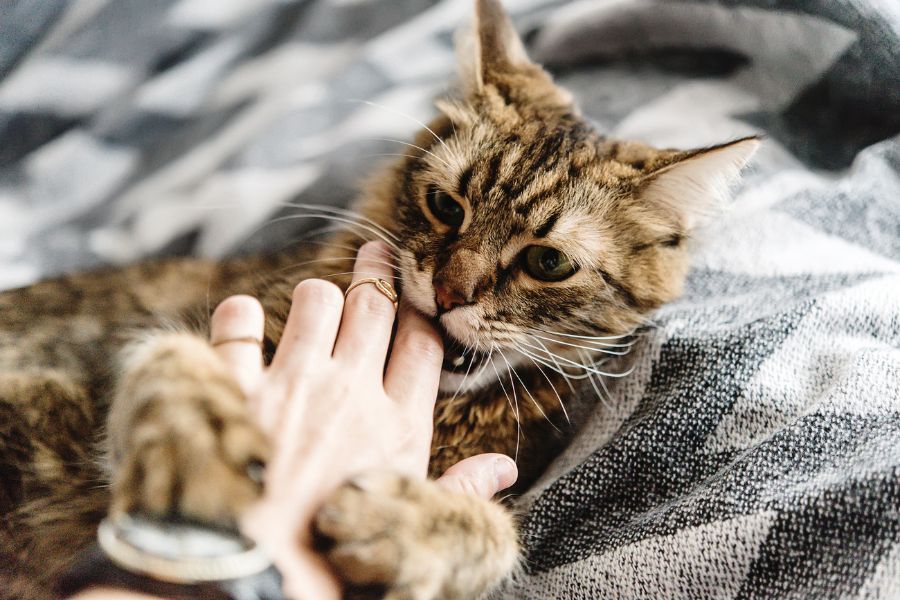
Some cats enjoy petting, but only for a short time. When they become overstimulated, they may bite to signal they have had enough.
Watch for warning signs such as:
- Flattened ears
- Swishing tail
- Sudden body tension
- Growling or twitching skin
3. Fear or Anxiety
A frightened cat may bite to protect itself. This can happen when:
- Meeting new people
- Visiting the vet
- Hearing loud noises
- Being handled too quickly
4. Pain or Medical Issues
If your cat suddenly starts biting, a health issue could be the cause. Pain can make cats more sensitive to touch and more likely to react aggressively.
Common medical causes include:
- Dental problems
- Arthritis
- Skin irritation
- Injuries
If the biting behavior appears suddenly, consult a veterinarian to rule out medical concerns.
Vet-Approved Tips to Stop Your Cat from Biting
These vet-approved tips focus on understanding your cat’s behavior and redirecting it safely.
1. Use Interactive Toys Instead of Your Hands
One of the most effective vet-approved tips is to avoid using your hands during play. This teaches your cat that hands are toys, which encourages biting.
Better alternatives include:
- Feather wand toys
- Laser pointers
- Toy mice
- Puzzle feeders
Interactive toys allow your cat to release energy without targeting you.
2. Learn Your Cat’s Warning Signs
Cats rarely bite without warning. Learning to recognize early signs can help you stop the behavior before it happens.
Watch for:
- Tail flicking
- Ear flattening
- Sudden stillness
- Pupils dilating
When you see these signs, stop interacting and give your cat space.
3. Avoid Punishment
Punishing your cat can increase fear and aggression. Instead, use calm and consistent responses.
Avoid:
- Yelling
- Hitting
- Spraying water
These methods can damage trust and worsen biting behavior.
Instead:
- Calmly withdraw attention
- Walk away
- Redirect to a toy
This approach is safer and more effective long-term.
4. Schedule Daily Play Sessions
Cats need regular physical and mental stimulation. Without it, they may develop unwanted behaviors like biting.
Try:
- Two 10 to 15-minute play sessions daily
- Rotating toys to keep things interesting
- Ending play with a small meal
This mimics natural hunting patterns and helps reduce aggression.
5. Redirect Biting Behavior
When your cat tries to bite, redirect their attention immediately.
You can:
- Offer a toy
- Toss a ball
- Use a wand toy
Consistency is key. Over time, your cat learns that toys, not hands, are the target.
How to Handle Kitten Biting
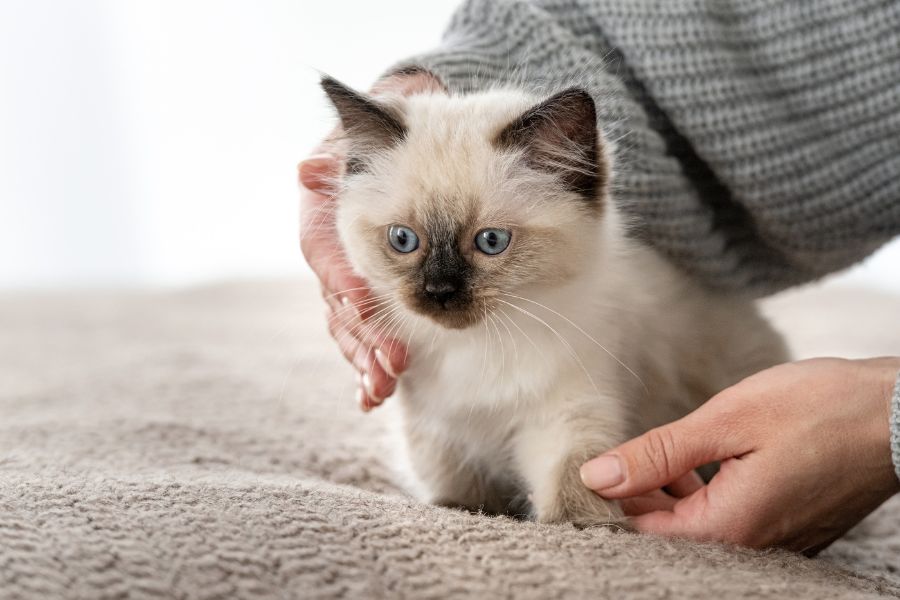
Kittens often bite more than adult cats. This is normal, but it still needs guidance.
Teach Bite Inhibition
When kittens play too roughly:
- Stop play immediately
- Withdraw your hand
- Ignore them briefly
This teaches them that biting ends the fun.
Provide Plenty of Toys
Kittens have lots of energy. Provide:
- Soft toys
- Chew toys
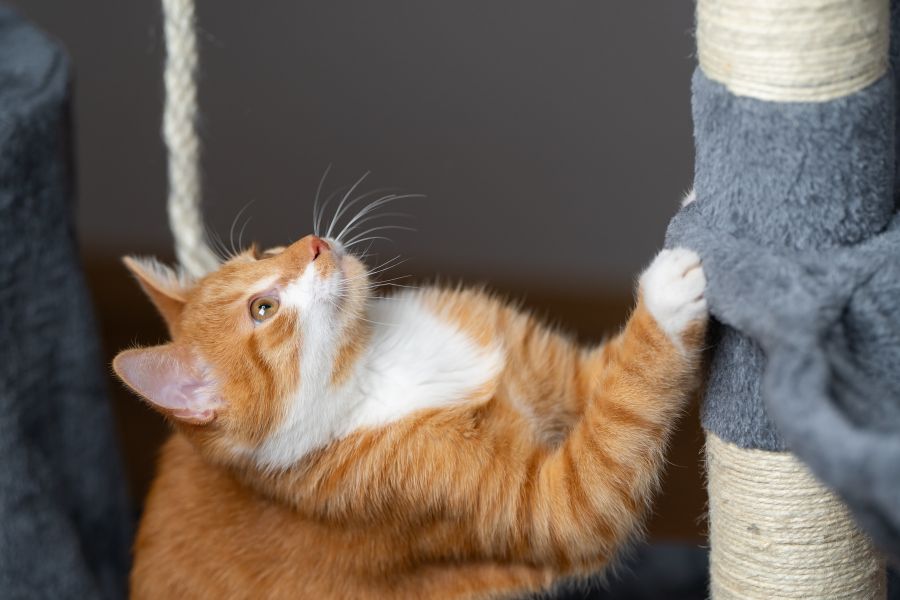
- Climbing trees
These outlets reduce biting behavior.
When Your Cat Bites During Petting
Some cats enjoy affection but only in small doses. This is called petting-induced aggression.
How to Prevent It
- Keep petting sessions short
- Focus on preferred areas like the chin and cheeks
- Stop before your cat becomes irritated
Gradually, your cat may become more tolerant.
Common Mistakes That Make Biting Worse
Avoid these mistakes when using vet-approved tips:
Using Hands as Toys
This confuses your cat and encourages biting.
Ignoring Warning Signs
Cats communicate through body language. Ignoring signs leads to bites.
Inconsistent Responses
Everyone in the household should follow the same rules.
Lack of Enrichment
Bored cats are more likely to bite.
Provide:
- Scratching posts
- Window perches
- Puzzle toys
- Climbing spaces
When to Seek Professional Help
Sometimes biting behavior needs expert guidance. Consider contacting your veterinarian if:
- Biting becomes aggressive
- Injuries occur
- Behavior changes suddenly
- Training does not improve behavior
A veterinarian can rule out medical issues and recommend behavior strategies.
Creating a Calm Environment for Your Cat
A peaceful home helps reduce stress-related biting.
Try These Tips
- Maintain consistent feeding times
- Provide safe hiding spots
- Use calming pheromone diffusers
- Avoid sudden loud noises
A calm cat is less likely to bite.
How Long Does It Take to Stop Cat Biting?
Every cat is different. Some cats improve within weeks, while others may take longer.
Success depends on:
- Consistency
- Patience
- Understanding behavior
- Using vet-approved tips regularly
Stay consistent, and you will likely see improvement.
Stopping your cat from biting requires patience, understanding, and consistent training. By using these vet-approved tips, you can reduce biting behavior and strengthen your bond with your cat. Focus on recognizing warning signs, redirecting behavior, and providing daily enrichment.
If your cat continues to bite or shows sudden behavior changes, professional guidance can help. Schedule an appointment today with Family Pet Clinic in Horsham and its surrounding areas, Hatboro, Warminster, Willow Grove, Philadelphia, PA, to ensure your cat stays happy, healthy, and well-behaved.
FAQs
Q1: Why does my cat bite me randomly?
Ans: Cats usually bite due to overstimulation, play aggression, or fear. Learning your cat’s body language helps prevent unexpected bites.
Q2: Do kittens grow out of biting?
Ans: Most kittens reduce biting as they mature, but training and vet-approved tips help speed up the process and prevent bad habits.
Q3: Should I punish my cat for biting?
Ans: No, punishment can increase fear and aggression. Instead, redirect behavior and stop interaction calmly.
Q4: How can I stop my cat from biting during petting?
Ans: Watch for warning signs and keep petting sessions short. Stop before your cat becomes overstimulated.
Q5: When should I see a vet about a cat biting?
Ans: If biting is sudden, aggressive, or causes injury, consult a veterinarian to rule out medical or behavioral concerns.