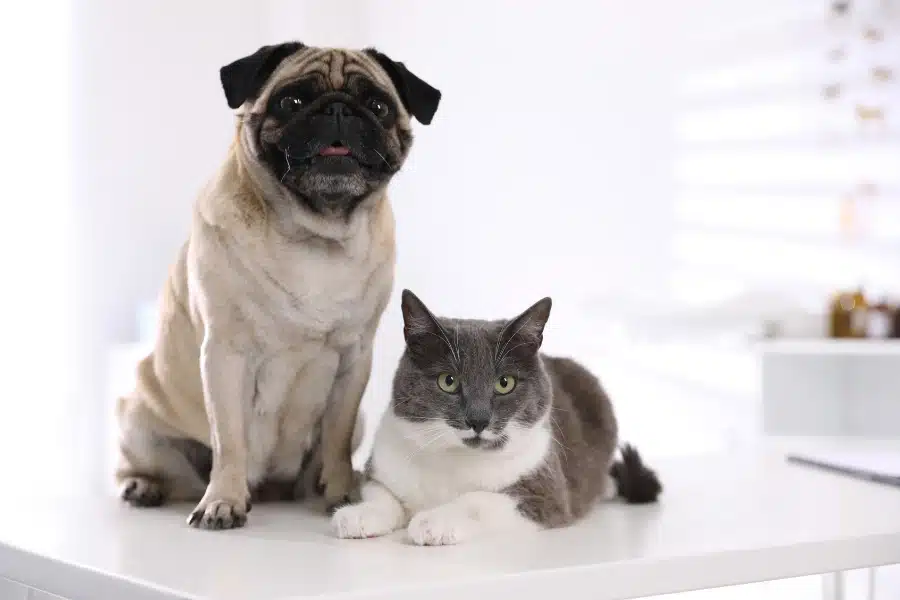

Winter brings a magical landscape of snow, warm sweaters, and cozy nights indoors. However, for pets, the colder months also introduce hidden dangers that many owners overlook.
While both dogs and cats need extra attention during winter, spot the difference between their needs: dogs often face outdoor hazards like icy surfaces and freezing temperatures, whereas cats are more vulnerable to indoor risks, such as dry air and inadequate warmth. Understanding these differences helps you create a safer and more comfortable winter experience for every pet in your home.
Below, you’ll find a complete guide filled with practical tips, creative ideas, and scientifically backed advice to keep your furry companions warm, healthy, and protected all season long.
Winter Risks You May Be Overlooking
Cold weather affects pets differently, yet many owners underestimate its impact. Even though dogs and cats have fur, they can still suffer from frostbite, hypothermia, and respiratory issues when exposed to low temperatures.
What Makes Winter Dangerous?
- Freezing Temperatures: Pets lose body heat faster than humans, especially smaller breeds and short-haired animals.
- Icy Surfaces: Slippery walkways can cause sprains and strains.
- Chemical De-icers: Common sidewalk salts can burn paw pads.
- Antifreeze Exposure: Ethylene glycol is highly toxic and often found in garages and driveways during winter.
- Dry Indoor Air: Forced heating systems can lead to itchy skin and dehydration.
Because of these risks, you must stay vigilant throughout the season. Your pet’s body language and behavior provide early warning signs—shivering, whining, lifting paws, lethargy, or hiding indoors are indicators that your pet may be too cold.
Cozy Indoor Strategies to Keep Pets Warm
While outdoor safety gets much attention, indoor comfort matters just as much. After all, your home becomes the primary refuge for your pets when temperatures drop.
Create a Warm Sleep Zone
Give your pets a dedicated sleeping space away from drafts. A plush bed with fleece blankets or a heated pet mat will help maintain body temperature. Furthermore, placing the bed near your living area allows your pet to feel both warmth and companionship.
Add Moisture to the Air
Winter heating systems often dry out indoor environments. Use a humidifier to add moisture back into the air, which helps prevent skin dryness and respiratory discomfort in both cats and dogs.
Keep Them Mentally Stimulated
Since pets spend more time indoors during winter, provide puzzle toys, treat-dispensing feeders, or short indoor training sessions. Mental stimulation helps reduce stress and prevents unwanted winter weight gain.
Safe and Smart Outdoor Time
Although winter restricts outdoor activities, pets still need exercise. With the right precautions, your dog or indoor-outdoor cat can enjoy safe winter outings.
Bundle Them Up (If Needed)
Small breeds, short-haired dogs, senior pets, and pets with chronic illnesses benefit greatly from warm clothing. A snug winter coat or sweater keeps them safe against chilly winds.
Protect Those Paws
Cold surfaces and de-icing chemicals can damage paw pads. Apply paw balm before walks and wipe your pet’s paws afterward. For added safety, dog booties provide excellent insulation and grip.
Limit Outdoor Time
On freezing days, shorter and more frequent walks work better than long outdoor adventures. Pay attention to your dog’s comfort—if they start lifting their paws or shivering, bring them inside immediately.
Nutrition Adjustments for Winter Wellness
Nutrition plays a powerful role in winter health. While pets may be less active during winter months, they still need balanced meals to maintain immunity and body heat.
Keep Fresh Water Available
Water bowls can freeze outdoors, and pets often drink less in cold weather. Encourage hydration by offering fresh, room-temperature water and, if needed, switching to stainless steel heated bowls for outdoor pets.
Consider a Winter Diet Review
Talk to your veterinarian about whether your pet needs more calories during the winter, especially if they are highly active. Indoor cats, however, may need fewer calories to avoid weight gain.
Grooming Habits That Matter in Winter
Grooming plays a surprisingly important role in winter protection.
Don’t Over-bathe Your Pet
Frequent baths strip natural oils from the skin, leading to dryness and irritation. Instead, choose moisturizing shampoos and extend the time between baths.
Brush Regularly
Regular brushing helps maintain a healthy coat that insulates better. For long-haired pets, it also prevents matting, which can trap moisture and make pets feel colder.
Common Winter Mistakes Pet Owners Make
Even caring pet owners inadvertently make winter mistakes that put animals at risk.
Mistake #1: Assuming All Pets Tolerate Cold Well
Even breeds known for thick fur—like Huskies—can suffer in extreme cold if left outdoors too long.
Mistake #2: Leaving Pets in Cars
Cold vehicles act like refrigerators. Never leave your pet unattended in a car during winter.
Mistake #3: Using Unsafe Heat Sources
Space heaters and fireplaces are dangerous if left unsupervised. Always use safety barriers.
Mistake #4: Ignoring Outdoor Shelter Needs
If your pet must spend time outside, ensure you provide insulated shelters with dry bedding and raised flooring.
When to Seek Veterinary Help
Seek professional veterinary care if your pet shows signs of frostbite, excessive shaking, limping, or pale gums. This is also a good time to schedule a winter wellness exam at your trusted clinic or even explore information available at Horsham veterinary clinic if you’re looking for localized guidance.
By making simple adjustments to your indoor environment, outdoor routines, grooming habits, and nutrition plans, you can protect your dogs and cats from winter dangers. As you move through the colder months, stay observant, act proactively, and prioritize warmth and safety. With the right care, your furry companions can enjoy a healthy, happy, and cozy winter season by your side.