
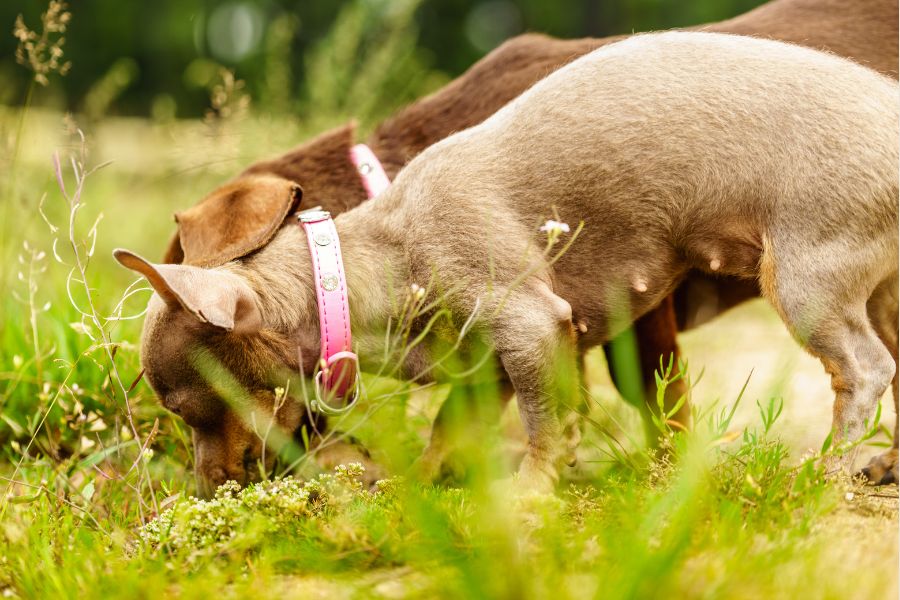
Dogs eating grass is a behavior that puzzles many pet owners. While it might seem strange at first, veterinarians often encounter this question and have valuable insights into why our canine companions nibble on grass. This article explores the common reasons backed by veterinary knowledge, helping you understand this curious habit better.
The Ancestral Echo: Instinctive Grass Eating
One leading theory among veterinarians is that grass eating stems from dogs’ evolutionary roots. Wild canids such as wolves occasionally consume plant material, and this behavior may have carried through to domestic dogs as an instinct.
In other words, munching on grass could be a genetic echo of their ancestors’ diet, which sometimes included plant matter found in their prey’s stomachs.
Fiber Fix: Grass as Digestive Aid
Transitioning from the wild to modern pets, many dogs may seek out grass to supplement their fiber intake. Fiber is essential for smooth digestion and helps maintain regular bowel movements. Dogs are primarily carnivorous, but they do benefit from some roughage.
Grass could be a natural and easy way for dogs to get this fiber when their diet might be lacking it. Some veterinarians suggest that dogs with low-fiber diets might chew more grass to compensate.
Psychological Reasons: Boredom and Anxiety
Sometimes, dogs chew grass simply because they’re bored or anxious. Similar to humans biting their nails, dogs might engage in this behavior as a coping mechanism.
If a dog spends long hours alone, lacks physical activity, or faces separation anxiety, grass eating might become a form of self-comfort or distraction.
Is It a Self-Medication Attempt?
A popular myth is that dogs eat grass to induce vomiting when they feel sick. Research shows this is not a predominant reason, as fewer than 25% of dogs vomit after eating grass, and only a small percentage show signs of illness before doing so.
Most veterinarians agree that grass eating is not typically linked to an immediate health problem, though it can occasionally indicate a minor digestive upset.
When to Worry: Signs of Medical Problems
Though grass eating is often harmless, excessive grazing or other symptoms accompanying this behavior may indicate underlying health issues. Conditions like inflammatory bowel disease, pancreatitis, or gastrointestinal discomfort should prompt a visit to your veterinary clinic in Feasterville, PA. Look out for signs such as vomiting, diarrhea, lethargy, or loss of appetite.
How to Manage Your Dog’s Grass Eating Behavior
You can help your dog by ensuring they have a balanced diet rich in fiber and providing enough physical exercise and mental stimulation. A vet at your local veterinary clinic in Feasterville may recommend dietary changes or behavioral strategies if grass eating becomes compulsive or excessive.
FAQ( Frequently Asked Questions):
1. Does a dog’s eating grass mean anything?
A: Dogs eating grass can mean different things, such as fulfilling a dietary fiber need, expressing boredom or anxiety, or simply following instinct. Generally, it’s a normal behavior unless it becomes excessive or is accompanied by illness symptoms.
2. Should you let your dog eat grass if they want to?
A: Occasional grass eating is usually safe, but avoid grass treated with pesticides or fertilizers. If your dog eats grass frequently or in large amounts, consult a veterinarian to rule out health issues.
3. What is a dog lacking if they eats grass?
A: Dogs might be lacking dietary fiber when they eat grass. Fiber helps with digestion and bowel movements, so ensuring a high-fiber diet can reduce grass eating.
4. Do dogs eat grass when they’re sick?
A: While some dogs might eat grass when mildly upset, most dogs do not eat grass to induce vomiting. If illness signs persist, veterinary advice is essential.