Dog obesity isn’t just about your furry friend looking a bit chubby—it’s a serious health concern that can lead to lasting complications. When a dog tips the scales at least 10–20% above its ideal weight, it’s classified as overweight or even obese. This often sneaks up slowly, making it crucial for pet owners to pay close attention to gradual changes.
Common Causes of Dog Obesity
Several factors contribute to canine weight gain, and identifying them is the first step toward prevention and recovery.
1. Overfeeding and Treat Culture
It’s easy to reward dogs with snacks, but many commercial treats are calorie-dense. When added to their regular diet, those calories pile up fast.
2. Lack of Physical Activity
Modern pets often lead a sedentary lifestyle. With fewer walks and minimal playtime, their calorie intake exceeds energy expenditure.
3. Poor Quality Diet
Feeding low-quality kibble or table scraps filled with carbohydrates and fillers can add excess pounds without nutritional value.
4. Age and Metabolism
As dogs age, their metabolism slows down. If their diet remains unchanged, weight gain becomes inevitable.
5. Medical Conditions
Sometimes, underlying issues like hypothyroidism or Cushing’s disease may be responsible. That’s why regular vet visits are essential.
Health Risks Associated with Dog Obesity
Obesity in dogs doesn’t just limit their ability to jump or run. It can severely impact their lifespan and quality of life.
1. Joint Problems
Extra weight stresses joints, leading to arthritis and mobility issues.
2. Heart and Respiratory Conditions
Obese dogs are more prone to cardiovascular disease and breathing difficulties.
3. Diabetes Mellitus
Just like in humans, obesity increases the risk of insulin resistance and diabetes.
4. Shortened Lifespan
Overweight dogs may live up to 2.5 years less than their healthy counterparts.
5. Increased Surgical and Anesthetic Risk
Obesity complicates medical procedures, making recovery more difficult and risky.
Proven Solutions for Managing Dog Obesity
Thankfully, dog obesity can be reversed with the right strategy. Here’s how to help your furry friend get back in shape.
1. Adjust the Diet
Work with your veterinarian to choose a weight-control formula that’s high in protein and fiber but low in fat. Controlled portions and scheduled feeding times make a world of difference.
2. Encourage Daily Exercise
Dogs love activity! Begin with light walks, then gradually add fetch sessions, agility training, or swimming. Keep it fun so your pet looks forward to burning calories.
3. Track Weight Regularly
Monitoring your dog’s weight weekly or bi-weekly helps you stay on course. Make use of weight charts or apps for progress tracking.
4. Rule Out Medical Conditions
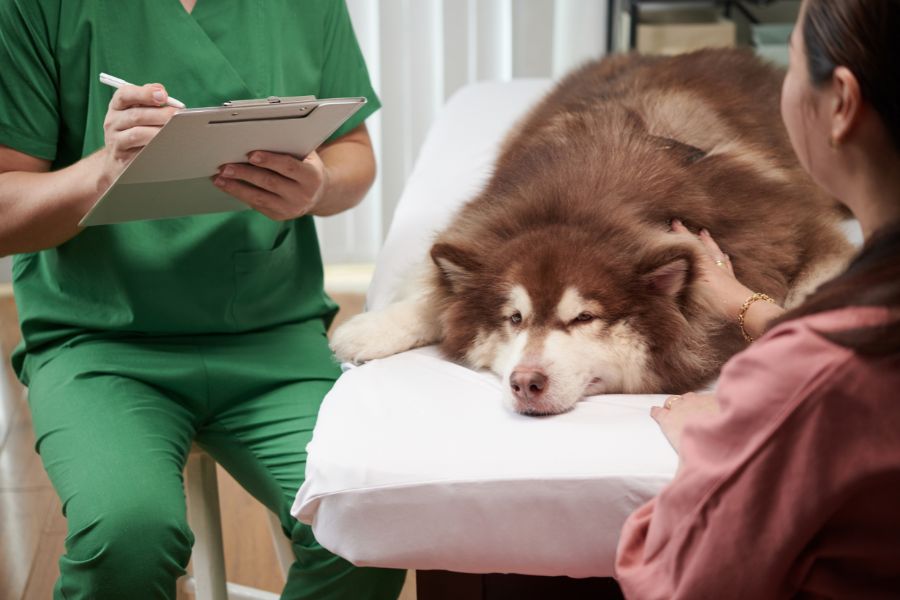
A visit to a Horsham veterinary hospital can help diagnose any underlying health issues and provide a tailored weight loss plan. Professional guidance ensures safe and effective results.
5. Say “No” to Table Scraps
Even small human food portions can disrupt your dog’s diet. Stick to vet-approved treats and avoid sneaking food under the table—no matter how cute those eyes are!
Dealing with dog obesity isn’t about blame—it’s about action. With informed choices, a bit of discipline, and regular veterinary support, your dog can enjoy a more energetic and joyful life. Take the first step today and commit to a healthier lifestyle for your loyal companion.
🧠 Frequently Asked Questions (FAQs)
1. How can I tell if my dog is overweight?
A: Look for signs like difficulty feeling the ribs, a lack of a visible waist, or reduced energy levels. A vet can confirm with a body condition score.
2. Is obesity more common in certain breeds?
A: Yes, breeds like Labradors, Beagles, Dachshunds, and Golden Retrievers are more prone to weight gain due to their build and appetite.
3. How fast should my dog lose weight
A: Healthy weight loss should be gradual—about 1-2% of body weight per week. Rapid weight loss can be harmful.
4. Can neutering or spaying lead to obesity?
A: These procedures may reduce metabolism, but with proper diet and activity, obesity can still be prevented.
5. Should I give my dog weight-loss supplements?
A: Only if prescribed by a veterinarian. Some supplements can be helpful, but they aren’t a replacement for diet and exercise.