
Bladder stones are a surprisingly common health issue in dogs, yet many pet parents don’t realize their dog has them until they become painful or cause a serious problem. Knowing how to tell if a dog has bladder stones can help you catch them early and get your dog the treatment they need before things get worse.
So, how can you tell if your dog might have bladder stones? Let’s break down the signs, how vets diagnose them, and what you should do if you suspect your dog is affected.
What Are Bladder Stones in Dogs?
Bladder stones — also called uroliths — are hard mineral deposits that form in the bladder. They can range in size from tiny grains to large, rock-like masses.
Bladder stones form when certain minerals in your dog’s urine become too concentrated and stick together. This can happen due to factors like diet, urinary tract infections, genetics, or underlying health conditions. Some breeds, such as Dalmatians, Miniature Schnauzers, and Bulldogs, are more prone to certain types of bladder stones.
Why Are Bladder Stones a Problem?
Bladder stones can cause discomfort, pain, and inflammation in the bladder. They can also block the flow of urine if they get stuck in the urethra, especially dangerous for male dogs because they have narrower urethras. A urinary blockage is a life-threatening emergency that requires immediate treatment.
How Can You Tell if Your Dog Has Bladder Stones?
Dogs with bladder stones may show a range of signs. Sometimes the signs are subtle at first, so it’s important to watch for any changes in bathroom habits.
Common signs of bladder stones in dogs include:
✅ Straining to urinate: Your dog may squat or lift their leg repeatedly but produce little or no urine.
✅ Frequent urination: You may notice your dog asking to go outside more often than usual.
✅ Accidents in the house: Even well-trained dogs may have accidents if they feel constant urgency to urinate.
✅ Blood in the urine: Stones can scrape the bladder lining, causing irritation and bleeding. You might see pinkish urine or red spots.
✅ Painful urination: Your dog may cry out, whimper, or look uncomfortable when peeing.
✅ Licking the genital area: Many dogs will lick excessively to soothe irritation.
✅ Behavioral changes: Your dog may get triggered to have mysterious pet behaviors like seeming restless, anxious, or less interested in food or playtime.
In severe cases, if a stone blocks the urethra, your dog won’t be able to urinate at all. This is an emergency. Call your vet or an emergency animal hospital right away if you suspect a blockage — untreated, it can be fatal within hours.
How Do Vets Diagnose Bladder Stones?
If you notice any of these signs, don’t wait and hope they’ll go away. Make an appointment with your vet.
Your vet will likely:
✔️ Do a physical exam: They may feel your dog’s abdomen to check for a distended bladder or other signs of discomfort.
✔️ Run a urinalysis: This test looks for blood, crystals, or signs of infection in the urine.
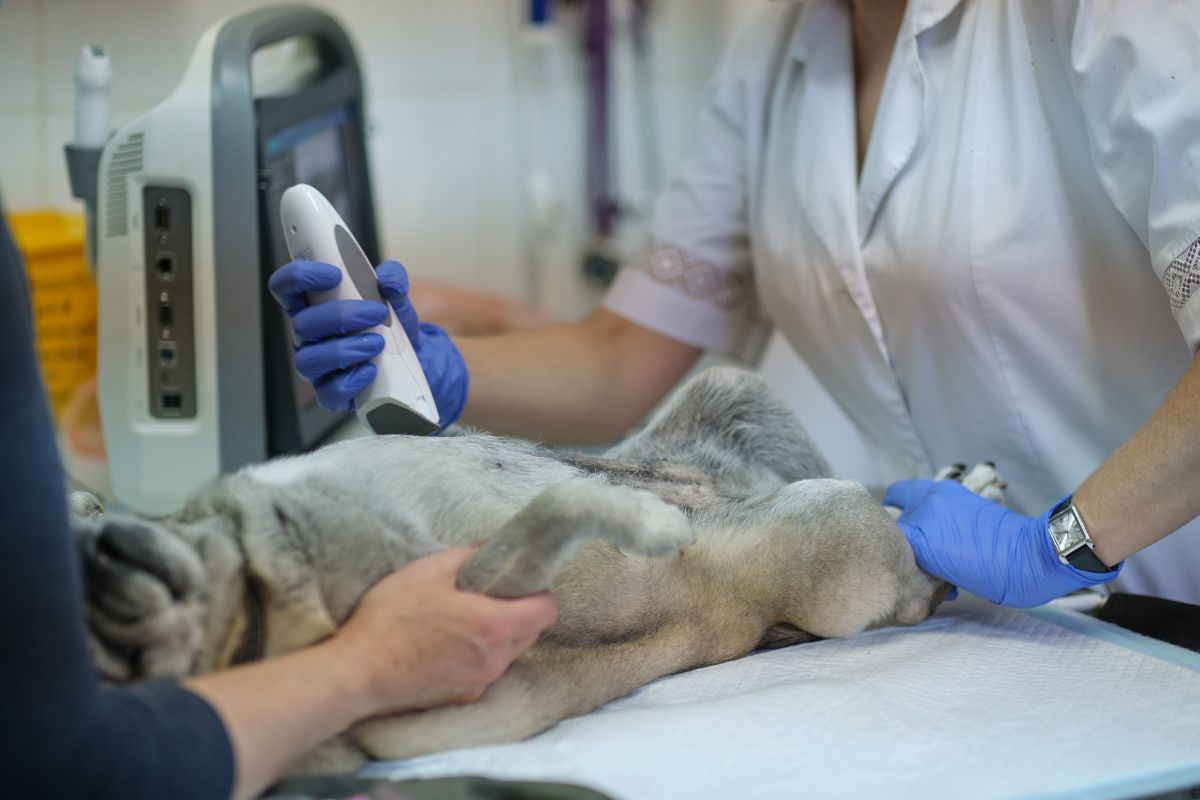
✔️ Take X-rays or an ultrasound: Many bladder stones show up clearly on X-rays. An ultrasound can help detect stones that don’t appear on X-rays and reveal inflammation or other bladder problems.
✔️ Culture the urine: If there’s an infection, the vet may send a urine sample to a lab to find out which bacteria are present.
These tests help determine not just whether your dog has bladder stones, but also what type they might be. This information is key to deciding on the best treatment plan.
How Are Bladder Stones Treated?
Treatment depends on the type, size, and number of stones:
- Dissolution diets: Some stones, like struvite stones, can often be dissolved with a special prescription diet that changes the pH of the urine and reduces certain minerals.
- Surgical removal: If stones are too large to pass or won’t dissolve, surgery (a cystotomy) is usually performed to remove them directly. This is a common, safe procedure when done by an experienced vet.
- Non-surgical removal: In some cases, small stones can be flushed out under sedation using a procedure called voiding urohydropropulsion.
- Treating infections: If an infection is present, your dog will need antibiotics, too.
After treatment, your vet may recommend a long-term diet change and regular checkups to prevent stones from coming back.
When to See the Vet
If you notice your dog straining to urinate, having accidents in the house, urinating more frequently, or showing signs of blood in their urine, it’s important not to overlook these symptoms. They could indicate a urinary issue that requires prompt attention. At Family Pet Clinic Southampton, we understand how vital early diagnosis is in preventing discomfort and serious complications like urinary blockages.
Bladder stones are a common problem in dogs, but they don’t have to become a major health threat. With timely care from a trusted Southampton vet hospital, many dogs recover quickly and comfortably. Regular checkups, a proper diet, and quick intervention at the first sign of trouble can make all the difference.
By staying alert and seeking veterinary care at Family Pet Clinic Southampton, you’re giving your pet the best chance at staying healthy, comfortable, and free from recurring urinary issues. Your dog deserves compassionate, comprehensive care—and that starts with knowing what to look out for and where to turn when something seems off.