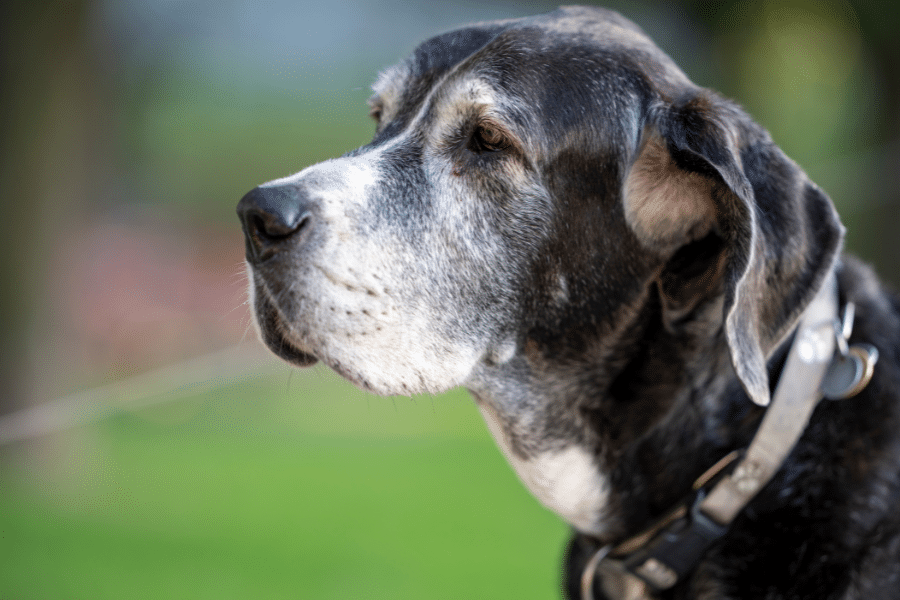

Our beloved pets bring us joy and companionship throughout their lives, and as they gracefully age into their senior years, maintaining their activity levels becomes increasingly important. While they may not be as spry as they once were, keeping senior pets engaged and mobile can significantly improve their quality of life. But how exactly do we achieve this? Let’s explore gentle and effective ways to keep your senior pets active and happy.
Understanding Senior Pet Needs
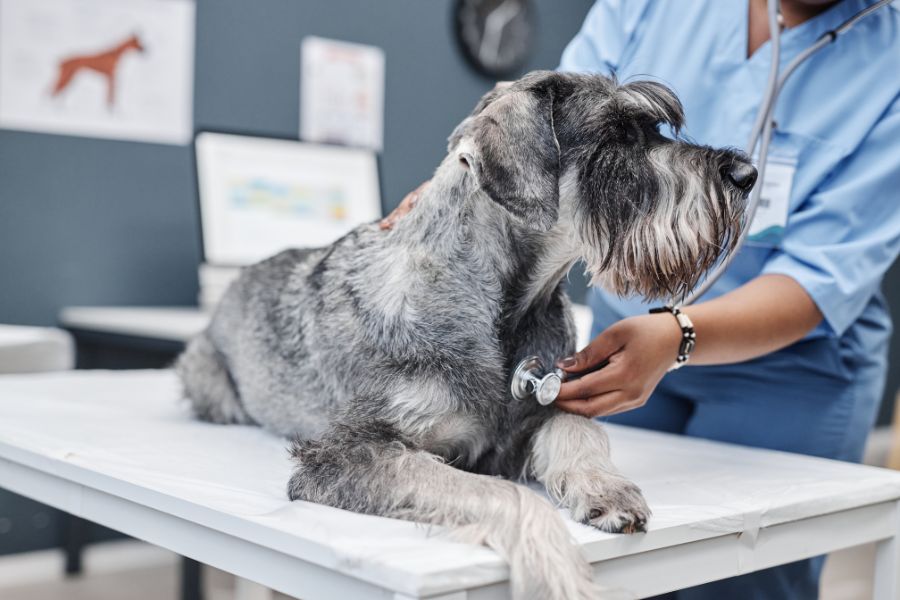
Firstly, it’s vital to understand that a senior pet’s activity level will naturally decrease. Their joints may be stiffer, their energy levels lower, and their senses less sharp. This means we need to adapt our approach to suit their changing needs. Regular veterinary check-ups are crucial to rule out any underlying health conditions hindering their mobility or causing discomfort.
Gentle Exercises and Play
Forget the high-energy chases of their younger days. Senior pets thrive on gentle, low-impact activities. Consider these options:
- Short Play Sessions: Instead of long, tiring play sessions, opt for shorter, more frequent ones. A few minutes of play several times a day can be more beneficial than one long session.
- Interactive Toys: Toys that stimulate their senses and encourage gentle movement are ideal. For dogs, consider slow fetch or gentle tug-of-war. Feather wands, laser pointers (used cautiously), and puzzle feeders can be effective for cats.
- Gentle Walks (for dogs): Shorter, more frequent walks on even surfaces can help maintain muscle mass and joint flexibility. Avoid strenuous hikes or long runs.
- Gentle Stretches: Encourage gentle stretches by placing treats on low surfaces or leading them through slow, deliberate movements. For cats, this might involve placing treats on low platforms.
- Swimming (if appropriate): Swimming can be a low-impact way for some dogs to exercise. Ensure they are supervised and comfortable in the water.
Environmental Enrichment
Creating an environment that caters to a senior pet’s needs is essential:
- Accessible Climbing and Resting Spots: Provide low, stable platforms, ramps, and steps that allow them to reach their favorite resting spots without straining. Consider soft, comfortable bedding on these platforms.
- Scratching Posts (for cats): Continue to provide scratching posts, as this activity helps maintain their claws and offers a good stretch. Ensure they are stable and easy to access.
- Warm and Comfortable Spaces: Senior pets are more sensitive to temperature changes. Provide warm, cozy spots for them to rest, especially during colder months.
- Litter Box/Potty Accessibility: Ensure litter boxes (for cats) have low sides and are easily accessible. Place multiple litter boxes around the house to minimize their travel distance. For dogs, provide easy access to potty areas and consider more frequent trips outside.
- Non-Slip Surfaces: Use rugs or mats to prevent slipping on smooth floors, which can be especially important for pets with mobility issues.
Mental Stimulation
Mental stimulation is just as important as physical activity. Here are some ways to engage your senior pet’s mind:
- Sensory Stimulation: Introduce new scents, sounds, and textures. Catnip, silvervine, and various textured toys can pique their interest. For dogs, scent work or puzzle toys can be stimulating.
- Window Watching: Provide a comfortable perch near a window where they can observe the outside world.
- Consistent Routine: Maintaining a consistent routine for feeding, playtime, and rest can help reduce stress and anxiety in senior pets.
- Gentle Grooming: Regular grooming sessions can be a soothing experience and allow you to check for changes in their skin or fur.
- Training and Puzzles: Even senior dogs can learn new tricks or enjoy puzzle toys that dispense treats.
Diet and Hydration
A balanced diet and adequate hydration are crucial for maintaining a senior pet’s health and energy. Consult your veterinarian for recommendations on a senior pet-specific diet and ensure they can always access fresh water.
By implementing these strategies, you can help your senior pets enjoy a comfortable, active, and fulfilling life in their golden years. Remember, patience and understanding are key. Adapt your approach to your pet’s needs and celebrate their continued companionship.
Conclusion
Maintaining the activity and happiness of senior pets requires a thoughtful and adaptable approach. We can significantly enhance their quality of life by understanding their changing needs, providing gentle exercise, enriching their environment, stimulating their minds, and ensuring proper diet and hydration. Patience, observation, and a consistent routine are key to navigating their golden years, allowing us to cherish the continued companionship and joy they bring.