534 2nd Street Pike, Southampton, PA 18966

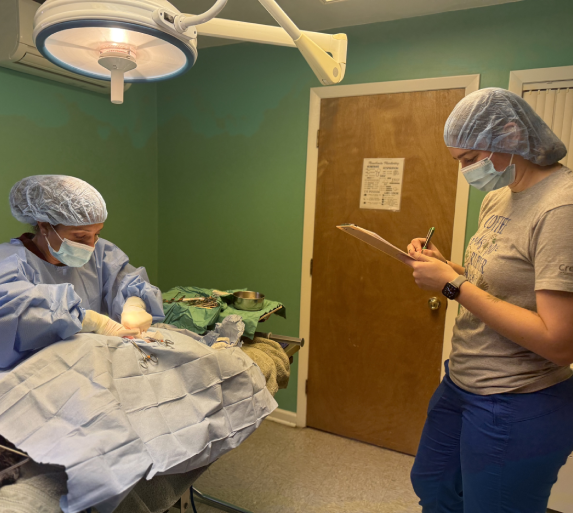

Compassionate and Safe Pet Surgery
At Family Pet Clinic, we take immense pride in ensuring the safety and success of all surgical procedures. We understand that the prospect of your pet undergoing surgery can be anxiety-inducing, which is why we work closely with you to discuss the best surgical options for your pet. Throughout the entire process—before, during, and after the procedure—we prioritize keeping you informed about your pet’s surgical progress.
General & Advanced Surgery
Before any surgery, we will schedule a consultation to review available options and help you choose the plan that best suits your pet’s needs. During this meeting, we will also conduct bloodwork to ensure proper sedation for your pet. We encourage you to ask any questions you may have during this process.
During the surgery, your pet will be closely monitored by a highly skilled veterinary technician trained to track vital signs and manage pain effectively post-surgery.
After the surgery, we will continue to monitor your pet closely. In some cases, pets can return home the same day, while others may require an overnight stay for careful observation during their initial recovery. Before your pet is discharged, we will provide detailed post-operative care instructions.
Our experienced medical team is proficient in a variety of procedures, including:
- Spay/Neuter Procedures: These involve the removal of reproductive organs to prevent disease and undesirable behaviors, making them common for household dogs and cats.
- Soft-Tissue Surgery: This includes procedures such as spay/neuter, mass removal, trauma and laceration repair, hernia repair, bladder stone removal, and more. Essentially, these surgeries do not involve the bone structure.
- Surgical Oncology: For pets diagnosed with cancer, surgical oncology aims to halt or slow cancer's progression and enhance your pet's quality of life.
- Mass Removal: If abnormal lumps or bumps are found, we will test them to determine if they are cancerous. If cancerous, we will discuss removal options; if benign but uncomfortable, we will proceed with removal.
- Gastrointestinal Procedures: These surgeries address issues in the stomach and gastrointestinal tract. Signs of gastrointestinal diseases include vomiting, weight loss, diarrhea, bloating, pain, and loss of appetite.
- Splenectomy Surgery: This involves the removal of the spleen and is considered a last resort when other treatments are ineffective.
- Foreign Body Removal: Conducted when a pet has ingested an object that cannot safely pass.
- C-Sections: Performed to ensure the safe delivery of puppies or kittens.

Spay/Neuter Procedure
Spaying or neutering your pet offers numerous health and behavioral benefits, including reducing the risk of certain cancers and preventing unwanted litters. These procedures can also help mitigate aggressive behaviors and territorial instincts, promoting a more harmonious environment at home. At Family Pet Clinic, we highly recommend these procedures for all pets, ensuring they lead healthier and happier lives.
We are fully prepared for these critical procedures, prioritizing your pet’s safety. Our medical team employs the following practices:
- Pre-surgical bloodwork
- Properly dosed anesthesia
- Pain management
- Advanced surgical monitoring equipment
- Technician monitoring
- IV fluids
What is Spay/Neuter Procedure?
Spaying is the removal of the ovaries and uterus in female pets, while neutering (castration) involves the removal of testicles in male pets. Rest assured, this procedure is much less intimidating than it sounds.
Benefits of Spay/Neuter Procedure
These procedures can prevent serious health issues, reduce aggressive behaviors, and eliminate unwanted litters
Spaying female pets prevent:
- Reduces the urge to roam
- Decreases aggressive behaviors
- Eliminates messy heat cycles
- Reduces urine marking
- Prevents uterine and mammary problems, including cancer
- Prevents unwanted litters
- Reduces howling
Neutering male pets prevents:
- Reduces the urge to roam
- Decreases aggressive behaviors
- Reduces urine marking
- Prevents testicular cancer and prostate disease
- Prevents unwanted litters
Additionally, spaying/neutering contributes positively to pet population control, allowing more shelter pets to find homes.
Common Myths
- My pet will gain weight: This is false; weight gain is associated with growth, not the spay/neuter procedure.
- Female pets must complete a heat cycle before spaying: There is no clinical evidence to support this, and delaying spaying can increase the risk of mammary masses.
- Male pets’ personalities change post-neutering: While aggression and urine marking may decrease, your pet's personality will remain intact.
Pain Management
Effective pain management is crucial in veterinary care. We aim to provide not only physical relief but also psychological and emotional support for your pet.
There are two main types of pain: acute and chronic, each requiring different management strategies.
Acute Pain
This type of pain usually results from an injury or surgery and is sharp and sudden. We take every precaution to minimize potential acute pain before, during, and after the procedure.
Chronic Pain
Often caused by conditions like cancer, diabetes, and arthritis, chronic pain can be lifelong. While it may not be curable, various management techniques can help keep your pet comfortable.
Physical pain can also lead to emotional distress in pets, similar to humans, affecting their healing process. Regular check-ups at Family Pet Clinic help us identify and address pain early on, making treatment easier.
Our veterinary professionals have extensive experience in detecting and managing pain. If pain is identified, we will work with you to create a tailored treatment plan.
Below is a list of the most common signs of pain in pets:
- Hiding
- Crying, whining, or howling
- Decreased grooming or not grooming
- Decreased appetite
- Uncharacteristic aggression and/or irritability
- Diarrhea or constipation
- Seeking more affection than usual
- Not wanting to be handled
- Lethargy
- Not moving from one area
- Restlessness
- Protecting the affected body part
- Shaking and/or trembling
- Vacant and glassy-eyed