
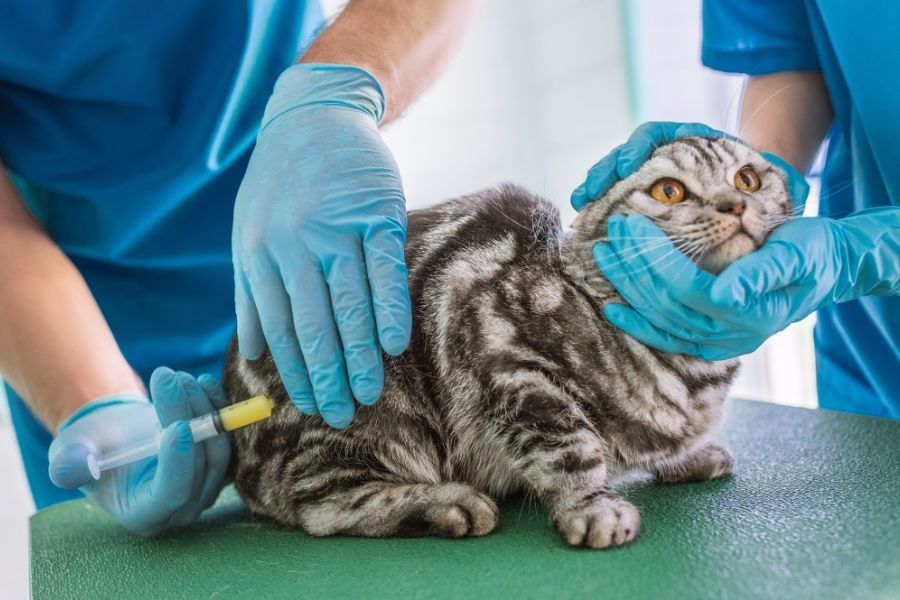
Vaccines play a major role in keeping pets healthy, but many owners are unsure which shots are truly necessary. Understanding core vs. non-core vaccines helps you make informed decisions based on your pet’s age, lifestyle, health history, and risk factors. In this guide, you’ll learn what core and non-core vaccines are, which vaccines dogs and cats commonly need, and how veterinarians decide the right vaccination schedule for your pet.
What Are Core vs. Non-Core Vaccines?
When veterinarians talk about core vs. non-core vaccines, they are separating vaccines into two categories based on how essential they are for most pets.
Core Vaccines
Core vaccines are recommended for nearly all dogs and cats because they protect against serious, highly contagious, or potentially fatal diseases. Many of these illnesses can spread easily through the environment or contact with infected animals.
Core vaccines are considered the foundation of preventive pet care.
Non-Core Vaccines
Non-core vaccines are optional vaccines recommended only for pets with certain lifestyles, environments, or exposure risks. Your veterinarian may suggest these vaccines depending on factors like:
- Boarding or daycare attendance
- Outdoor activities
- Travel
- Exposure to wildlife
- Geographic disease risks
- Multi-pet households
Not every pet needs every non-core vaccine.
Why Vaccinations Matter for Pets?
Vaccinations do more than protect individual pets. They also help reduce the spread of infectious diseases within the larger pet community.
Benefits of pet vaccinations include:
- Preventing severe illness
- Reducing emergency veterinary costs
- Protecting puppies and kittens with developing immune systems
- Supporting longer, healthier lives
- Helping prevent disease outbreaks
Many vaccine-preventable diseases have no cure and can become life-threatening quickly.
Core Vaccines for Dogs
Most veterinarians agree that dogs should receive several essential core vaccines throughout life.
Rabies Vaccine
The rabies vaccine is legally required in many states because rabies can spread to humans and is almost always fatal.
Dogs usually receive their first rabies shot around 12 to 16 weeks of age, followed by boosters as required by local law.
DHPP Vaccine
The DHPP vaccine protects dogs against multiple dangerous diseases:
- Distemper
- Hepatitis (Adenovirus)
- Parvovirus
- Parainfluenza
These illnesses can cause severe respiratory, neurological, and gastrointestinal problems.
Parvovirus, in particular, remains one of the deadliest diseases in unvaccinated puppies.
Non-Core Vaccines for Dogs
Non-core vaccines for dogs depend heavily on lifestyle and exposure risk.
Bordetella Vaccine
This vaccine helps protect against kennel cough, a contagious respiratory infection common in:
- Boarding facilities
- Grooming salons
- Dog parks
- Training classes
- Doggy daycare
Dogs that socialize frequently often benefit from this vaccine.
Leptospirosis Vaccine
Leptospirosis is a bacterial disease spread through contaminated water or wildlife urine. It can also infect humans.
Dogs that spend time outdoors, hike, camp, or live near standing water may need this vaccine.
Lyme Disease Vaccine
Dogs living in tick-heavy regions may benefit from Lyme vaccination, especially if they spend time in wooded or grassy areas.
Tick prevention should still be used even if vaccinated.
Canine Influenza Vaccine
Dog flu vaccines may be recommended during outbreaks or for pets with frequent contact with large groups of dogs.
Core Vaccines for Cats
Cats also require essential vaccines to protect against serious infectious diseases.
Rabies Vaccine
Like dogs, cats generally need rabies vaccination based on state laws and public health guidelines.
Even indoor cats may need rabies protection because accidental escapes or wildlife exposure can happen unexpectedly.
FVRCP Vaccine
The FVRCP vaccine protects cats against:
- Feline viral rhinotracheitis
- Calicivirus
- Panleukopenia
These viruses can cause severe respiratory disease, fever, ulcers, immune suppression, and life-threatening illness in kittens.
Non-Core Vaccines for Cats
Some cats benefit from additional vaccines depending on lifestyle and risk.
Feline Leukemia (FeLV) Vaccine
FeLV spreads through close contact with infected cats. Outdoor cats, kittens, and cats living with FeLV-positive cats are often considered at higher risk.
This disease weakens the immune system and may lead to cancer or chronic illness.
Bordetella and Chlamydia Vaccines
These vaccines are less commonly used but may be recommended in shelters, breeding facilities, or multi-cat environments where respiratory disease risk is higher.
How Veterinarians Decide Which Vaccines Your Pet Needs?
Vaccination plans are never completely one-size-fits-all. Veterinarians evaluate several important factors before recommending vaccines.
Lifestyle
A pet that stays all day indoors has different risks compared to one that visits parks, daycare, boarding facilities, or hiking trails.
Age
Puppies and kittens need a series of vaccines to build immunity early in life. Senior pets may require adjusted vaccine schedules based on health status.
Geographic Location
Some diseases are more common in certain areas. Tick-borne diseases and leptospirosis risks can vary significantly by region.
Medical History
Pets with chronic illnesses, immune disorders, or vaccine sensitivities may need customized vaccine recommendations.
Puppy and Kitten Vaccine Schedules
Young pets require multiple vaccines because maternal antibodies gradually wear off during the first few months of life.
Typical schedules include:
Puppies
- Vaccines every 3 to 4 weeks starting around 6 to 8 weeks old
- Booster shots through approximately 16 weeks
- Rabies vaccination around 12 to 16 weeks
Kittens
- FVRCP series begins around 6 to 8 weeks
- Boosters every few weeks until about 16 weeks
- Rabies vaccination according to local guidelines
Your veterinarian will create the safest and most effective schedule for your pet.
Are Vaccine Side Effects Common?
Most pets tolerate vaccines very well. Mild side effects can happen but are usually temporary.
Common mild reactions include:
- Sleepiness
- Mild soreness
- Reduced appetite
- Slight swelling at the injection site
Serious vaccine reactions are rare but may include:
- Facial swelling
- Vomiting
- Difficulty breathing
- Severe lethargy
Contact your veterinarian immediately if serious symptoms occur after vaccination.
Can Indoor Pets Skip Vaccines?
This is one of the most common questions veterinarians hear.
While indoor pets may face fewer risks, they are not completely protected from disease exposure. Viruses can sometimes enter homes through shoes, clothing, open windows, or unexpected animal contact.
Indoor cats, for example, are still commonly vaccinated against rabies and FVRCP because the diseases are severe and exposure can happen unexpectedly.
How Often Do Pets Need Booster Vaccines?
Booster schedules vary depending on:
- Vaccine type
- Manufacturer guidelines
- State laws
- Pet age
- Overall health
Some vaccines require annual boosters, while others may protect for three years or longer.
Regular wellness exams help veterinarians determine when boosters are due.
The Importance of Regular Wellness Visits
Vaccines work best as part of a complete preventive care plan.
Routine wellness visits allow veterinarians to:
- Monitor your pet’s overall health
- Detect problems early
- Adjust vaccine schedules as needed
- Discuss parasite prevention
- Recommend nutritional support
Preventive care often reduces long-term medical costs and improves quality of life.
Conclusion
Understanding core vs. non-core vaccines through effective preventive care helps pet owners make smarter decisions about preventive care. Core vaccines protect against serious and widespread diseases, while non-core vaccines are chosen based on your pet’s unique lifestyle and risk factors. Working closely with your veterinarian ensures your dog or cat receives the protection they truly need, without unnecessary vaccines. If you have questions about your pet’s vaccination schedule, contact the nearest veterinarian near you at Family Pet Clinic in Southampton to schedule a wellness appointment and discuss the best preventive care plan for your furry companion.
FAQs
Q1: What is the difference between core and non-core vaccines for pets?
Ans: Core vaccines are recommended for nearly all pets because they protect against serious diseases. Non-core vaccines are optional and based on lifestyle or exposure risk.
Q2: Does my indoor cat still need vaccines?
Ans: Yes, Indoor cats are still commonly vaccinated against diseases like rabies and FVRCP because accidental exposure can still occur.
Q3: Are non-core vaccines necessary for all dogs?
Ans: No, Non-core vaccines are only recommended when a dog’s lifestyle or environment increases exposure risk.
Q4: How often should dogs and cats get vaccinated?
Ans: It depends on the vaccine type, your pet’s age, and health status. Some vaccines are yearly, while others may last three years.
Q5: Can vaccines make pets sick?
Ans: Most pets only experience mild side effects like tiredness or soreness. Serious reactions are rare but should be evaluated by a veterinarian immediately.