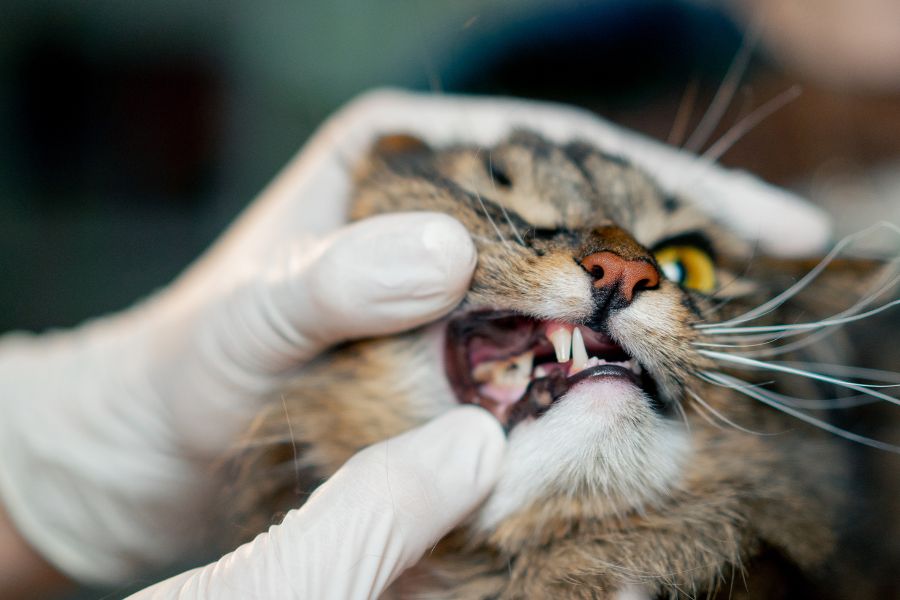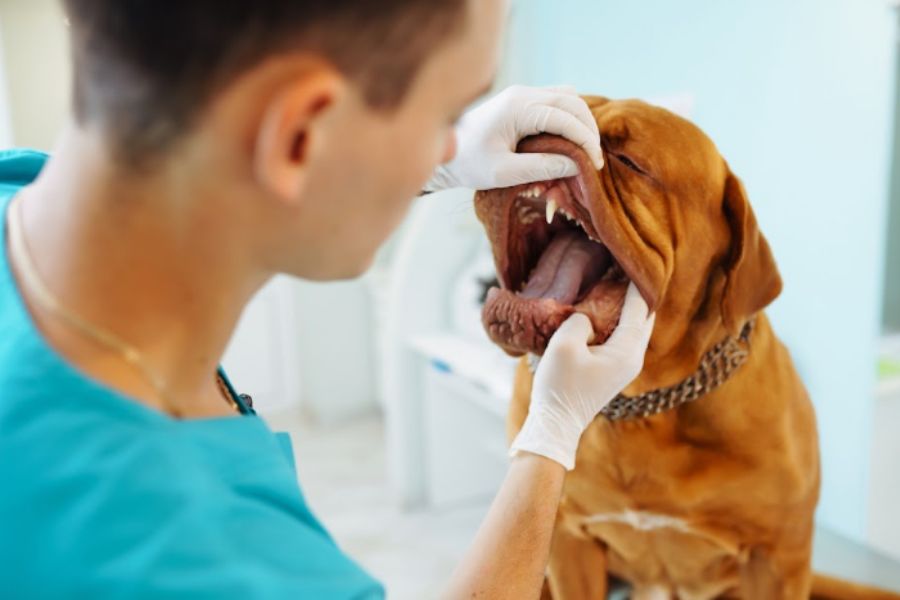

A pet may continue eating normally even when something is wrong with their mouth. That is one reason common dental problems in pets can go unnoticed for months or even years. Bad breath, chewing changes, red gums, or a dropped piece of food may seem minor, but they can signal a painful dental condition. At Family Pet Clinic in Horsham, PA, veterinarians often remind pet owners that oral health is part of whole-pet care. Understanding what can happen to your pet’s teeth and gums makes it easier to notice changes early. This guide covers 10 dental problems, their warning signs, how veterinarians diagnose them, and what you can do to protect your pet’s oral health.
What Are the Most Common Dental Problems in Pets?
The most common dental problems in pets include plaque and tartar buildup, periodontal disease, gingivitis, broken teeth, tooth-root infections, retained baby teeth, oral growths, and painful changes caused by damaged or missing teeth. Some problems develop gradually, while others can appear after an injury.
Your pet may hide mouth pain surprisingly well. Regular veterinary examinations help identify problems before they become more difficult or painful to treat.
| Dental problem | Common signs | Typical veterinary care |
| Plaque and tartar | Bad breath, yellow or brown buildup | Professional cleaning, home care |
| Gingivitis | Red, swollen gums | Cleaning and treatment of underlying cause |
| Periodontal disease | Bleeding gums, loose teeth, pain | Dental cleaning, possible extractions |
| Broken teeth | Dropping food, chewing on one side | Repair or extraction when needed |
| Tooth-root infection | Facial swelling, pain, reduced appetite | Dental treatment or extraction |
| Retained baby teeth | Crowded teeth, trapped food | Removal of retained teeth |
| Missing or loose teeth | Trouble chewing, discomfort | Examination and dental treatment |
| Oral growths | Lump, swelling, bleeding | Examination, testing, treatment |
| Tooth wear | Flattened or damaged teeth | Monitoring or dental treatment |
| Tooth resorption | Pain, difficulty eating | Dental imaging and extraction when indicated |
These conditions do not affect every pet in the same way. Age, genetics, breed, chewing habits, previous injuries, and home dental care can all influence oral health.
1. Plaque and Tartar Buildup
Plaque is a sticky film of bacteria that forms on teeth. If it is not removed, it can harden into tartar, which cannot be brushed away easily at home.
Small amounts of plaque may seem harmless, but ongoing buildup can irritate the gums. Bad breath is often one of the first clues that your pet needs a closer dental look.
2. Gingivitis
Gingivitis means inflammation of the gums. The gums may look red, swollen, or bleed more easily than usual.
Early gingivitis can sometimes improve when plaque and tartar are properly addressed. However, untreated gum inflammation can progress into deeper periodontal disease. Watch for changes around the gumline, especially if your pet has developed stronger-than-usual breath odor.
3. Periodontal Disease
Periodontal disease affects the tissues that support the teeth and is among the most important common dental problems in pets. As the condition progresses, infection and inflammation can damage the structures holding teeth in place.
Signs may include:
- Persistent bad breath
- Red or bleeding gums
- Loose teeth
- Difficulty chewing
- Dropping food
- Pawing at the mouth
- Reduced interest in hard food
Because much of the disease can develop below the gumline, a pet’s mouth can look less concerning than it actually is.
4. Broken or Fractured Teeth
Dogs and cats can break teeth while chewing hard objects, playing, or experiencing an accident. A fractured tooth may expose sensitive inner structures and cause significant pain.
For example, a dog that suddenly stops chewing a favorite toy and begins carrying food without eating it may have a painful broken tooth. A veterinarian can examine the tooth and determine whether monitoring, repair, or extraction is appropriate.
5. Tooth-Root Infections
A damaged tooth can allow bacteria to reach the inner part of the tooth and its root. This may lead to an infection that causes pain, swelling, or changes in eating habits.
Facial swelling is especially important to have checked promptly. Your pet may not show obvious mouth pain, but an infected tooth can still be very uncomfortable.
6. Retained Baby Teeth
Puppies and kittens normally lose their baby teeth as adult teeth come in. Sometimes a baby tooth remains in place while the adult tooth grows beside it.
This can create crowding where food and bacteria become trapped. Retained teeth are particularly common in smaller dogs. A veterinary examination can determine whether a retained tooth needs to be removed.
7. Loose or Missing Teeth
Advanced dental disease can weaken the tissues supporting a tooth, eventually making it loose or causing it to fall out. A missing tooth should not simply be assumed to be normal aging.
Your veterinarian may check the surrounding gums and other teeth for evidence of underlying disease. Treating the cause can help prevent additional tooth problems.
8. Tooth Wear and Damage
Some pets gradually wear down their teeth from chewing habits, repetitive behaviors, or contact with hard materials. Mild wear may only require monitoring, while deeper damage can expose sensitive parts of the tooth.
Avoid assuming that a pet’s ability to chew means the tooth is comfortable. Animals can adapt their eating habits around dental pain.
9. Tooth Resorption
Tooth resorption occurs when the body’s own cells begin breaking down a tooth. It is particularly important in cats, although dental problems can affect pets in many forms.
The condition can be painful, but some cats show very subtle signs. A cat may eat more slowly, swallow food without chewing, prefer softer food, or simply become less interested in eating.
10. Oral Growths and Lumps
Not every lump in a pet’s mouth is cancerous, but every new oral growth deserves veterinary attention. Growths can occur on the gums, lips, tongue, or other tissues.
A veterinarian may recommend additional testing depending on the growth’s appearance, location, and size. Finding changes early generally gives your pet more options for diagnosis and treatment.
How Does a Veterinarian Diagnose and Treat Pet Dental Problems?
A veterinary dental evaluation starts with an examination of the mouth, gums, teeth, and surrounding tissues. If a problem is suspected below the gumline, dental imaging may be recommended because the visible portion of a tooth does not tell the whole story.
A typical dental care plan may include:
- Oral examination to identify visible abnormalities.
- Dental imaging when deeper disease needs evaluation.
- Professional cleaning to remove plaque and tartar safely.
- Treatment of damaged or diseased teeth when necessary.
- Home-care recommendations based on your pet’s individual needs.
A hypothetical example is a senior small-breed dog whose owner noticed increasingly strong breath but no change in appetite. During an examination, the veterinarian found significant tartar and inflamed gums, with one tooth appearing unstable. Further evaluation showed deeper dental disease, and treatment helped the dog return to more comfortable eating and normal daily behavior.
What Can You Do at Home to Protect Your Pet’s Teeth?
Home care is an important part of managing common dental problems in pets, but it does not replace professional veterinary examinations. The goal is to reduce plaque before it has the opportunity to harden and contribute to gum disease.
Helpful habits include:
- Brush your pet’s teeth regularly with products made for pets.
- Introduce brushing slowly so your pet can adjust.
- Check the mouth periodically for redness, swelling, or damaged teeth.
- Ask your veterinarian which dental products are appropriate.
- Avoid extremely hard objects that can fracture teeth.
- Keep track of changes in eating or chewing behavior.
Consistency matters more than perfection. Even small improvements in your pet’s dental routine can make oral care easier over time.
When Should You See a Veterinarian for a Dental Problem?
Do not wait for your pet to stop eating before seeking help. Pets may continue eating despite considerable mouth pain.
Arrange a veterinary examination if you notice:
- New or persistent bad breath
- Red, swollen, or bleeding gums
- A loose or broken tooth
- Facial or jaw swelling
- Dropping food while eating
- Difficulty chewing
- Pawing at the mouth
- A new lump or unusual area in the mouth
- A sudden change in eating behavior
Prompt attention is especially important when there is facial swelling, significant bleeding, severe pain, or a major change in appetite. Early evaluation can help identify the problem and determine the safest treatment.
Keeping Your Pet’s Mouth Healthy Over the Years
Dental disease is not simply a cosmetic concern. Painful teeth and inflamed gums can affect how comfortably your pet eats, plays, and interacts with the family. Knowing the signs of common dental problems in pets through pet dental care gives you a better chance of catching trouble before it becomes advanced.
If you are looking for pet dental solutions from a veterinarian near you, then at Family Pet Clinic in Horsham, PA, your pet’s dental health can be assessed as part of routine veterinary care. If you have noticed bad breath, chewing changes, gum irritation, or another oral concern, schedule an examination rather than waiting for the problem to worsen. A simple dental check today may help your pet stay more comfortable for years to come.
FAQs
Q1: What is the most common dental problem in pets?
A: Plaque buildup and periodontal disease are among the most common dental concerns in dogs and cats. Without appropriate care, plaque can harden into tartar and contribute to gum inflammation and deeper disease.
Q2: How can I tell if my pet has a painful tooth?
A: Signs can include dropping food, chewing on one side, pawing at the mouth, eating more slowly, or avoiding certain foods. Some pets show very few obvious signs, so regular veterinary oral examinations remain important.
Q3: Does my pet need a professional dental cleaning?
A: Your veterinarian can determine this based on the amount of plaque or tartar, gum health, tooth condition, and other findings. Home brushing helps control plaque but cannot remove hardened tartar.
Q4: How often should my pet’s teeth be checked?
A: Your pet’s mouth should be examined during routine veterinary visits, with additional evaluation when you notice changes. The appropriate frequency of professional dental care varies based on age, oral health, and individual risk factors.
Q5: When is a pet dental problem an emergency?
A: Facial swelling, severe mouth pain, significant bleeding, or a sudden inability or refusal to eat warrants prompt veterinary attention. A veterinarian can determine whether the problem requires urgent treatment.