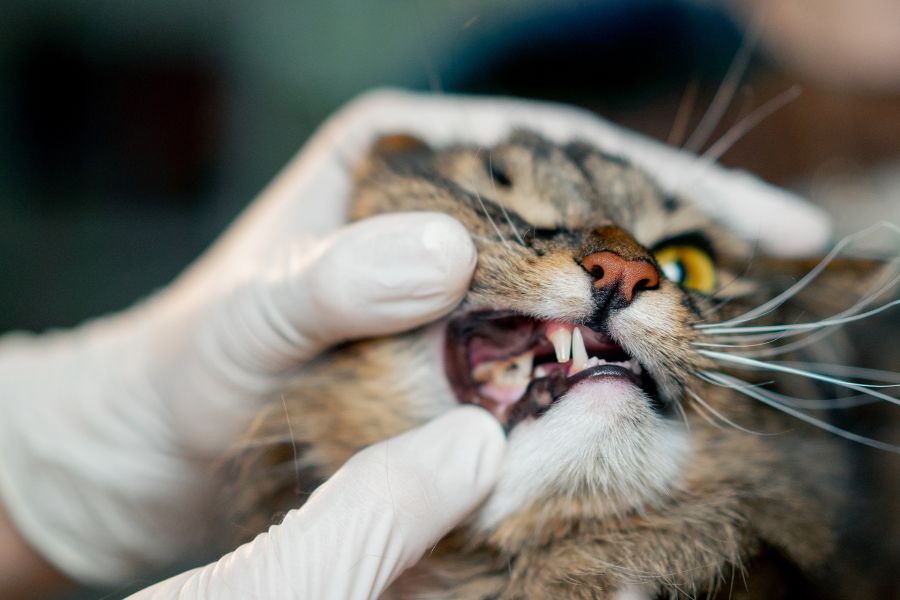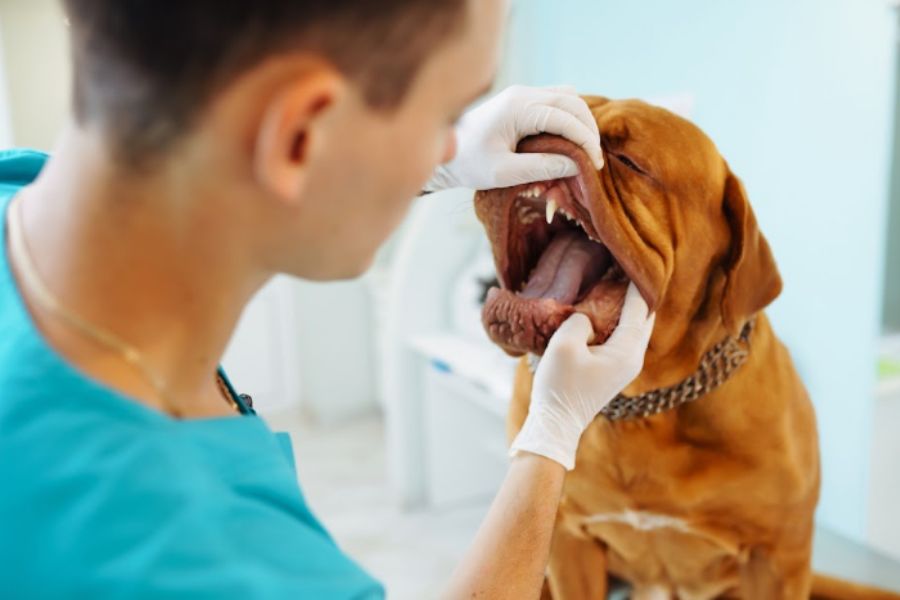

Many pet owners feel nervous when they hear that anesthesia is recommended for a dental procedure. It is natural to wonder why a healthy-looking pet cannot simply have their teeth cleaned while awake. The truth is that pet dental exams require a thorough evaluation that is not possible when a dog or cat is awake and moving. Dental disease often develops below the gumline, where problems cannot be seen with a quick visual check. At Family Pet Clinic in Southampton, PA, pet owners often ask why anesthesia is part of complete dental care. This guide explains why anesthesia is important, what happens during a dental procedure, and how it helps protect your pet’s comfort and oral health.
Why Do Pet Dental Exams Require Anesthesia
Anesthesia is essential for complete pet dental exams because it allows veterinarians to safely examine, clean, and evaluate every area of your pet’s mouth without causing fear, stress, or discomfort. It also allows the veterinary team to identify dental problems that cannot be found during a brief awake examination.
A pet that is awake cannot be expected to hold still while a veterinarian examines each tooth, checks below the gumline, and performs detailed dental care.
During an anesthetized dental procedure, your pet’s veterinary team can:
- Examine every tooth closely.
- Clean beneath the gumline.
- Look for hidden dental disease.
- Take dental X-rays when needed.
- Identify damaged or painful teeth.
- Remove unhealthy teeth if necessary.
Many dental problems begin where owners cannot see them.
A tooth may look normal on the outside while having problems around the root or supporting tissues. Without anesthesia, these areas are difficult to evaluate properly. Anesthesia allows veterinarians to provide safer, more complete dental care while keeping pets comfortable throughout the procedure.
Why A Quick Awake Dental Cleaning Is Not Enough
Some pet owners choose awake dental cleanings because they want to avoid anesthesia. While this concern comes from a place of wanting to protect their pet, these cleanings have important limitations.
A pet may tolerate handling around the front teeth but become stressed when a dental instrument reaches sensitive areas.
Awake cleanings typically cannot provide:
- A complete oral examination.
- Cleaning below the gumline.
- Dental X-rays.
- Evaluation of tooth roots.
- Treatment of painful dental disease.
The visible part of the tooth is only one part of oral health.
Bacteria and inflammation often develop under the gums, where they can damage the structures supporting the teeth. Removing visible tartar may improve appearance, but it does not always address the underlying cause of dental disease.
A complete dental procedure focuses on the entire mouth, not just what can be seen from the outside.
What Happens During an Anesthetized Dental Procedure
Many pet owners feel more comfortable when they understand what happens before, during, and after anesthesia.
Before the procedure, your veterinary team evaluates your pet’s health and discusses any concerns.
During the dental procedure, the team carefully monitors your pet while completing the necessary steps.
A typical dental appointment may include:
- A physical evaluation before anesthesia.
- Anesthesia monitoring throughout the procedure.
- A complete oral examination.
- Professional cleaning above and below the gumline.
- Dental X-rays when appropriate.
- Treatment recommendations based on findings.
The goal is not only to make your pet’s teeth look cleaner. The goal is to identify problems early and help prevent ongoing pain or infection.
After the procedure, your veterinary team provides recovery instructions and explains any findings from the dental examination.
Hidden Dental Problems Anesthesia Helps Detect
Pets often hide signs of dental pain. A dog or cat may continue eating, playing, and acting normal even when a tooth is causing discomfort.
Some hidden dental problems include:
- Tooth fractures.
- Gum disease below the surface.
- Infected tooth roots.
- Loose teeth.
- Painful areas inside the mouth.
Because pets cannot tell us when something hurts, regular dental evaluations are important for catching issues early.
A realistic example
Imagine Daisy, a seven-year-old small breed dog, comes in for a routine dental evaluation. Her owner notices mild bad breath but thinks Daisy’s teeth look mostly normal. During the anesthetized dental procedure, the veterinary team discovers significant dental disease below the gumline affecting a tooth that appeared healthy from the outside. After treatment, Daisy recovers comfortably, and her family notices she is more willing to chew and play.
Although this is a hypothetical example, it represents the type of hidden dental problems veterinarians often find during complete dental procedures.
How Anesthesia Helps Keep Pets Safe During Dental Care
Many pet owners worry about anesthesia because they want to avoid putting their pet at risk. These concerns are understandable, but modern veterinary dental procedures include careful preparation and monitoring designed to support your pet’s safety. Before anesthesia, your veterinary team evaluates your pet’s overall health and discusses any concerns that may affect the procedure.
During the dental exam, trained veterinary staff monitor important body functions, including:
- Heart rate.
- Breathing.
- Oxygen levels.
- Temperature.
- Overall response during recovery.
Anesthesia also provides important benefits beyond keeping your pet still.
A comfortable, relaxed pet allows the veterinary team to perform a more complete examination without causing fear or discomfort. It prevents your pet from experiencing stress during cleaning, probing, or other necessary dental care. For many pets, especially those with painful dental problems, anesthesia makes the experience safer and more comfortable. Your Southampton veterinarian will consider your pet’s age, health history, and individual needs when creating a dental care plan.
What Pet Owners Can Do to Support Dental Health
Professional dental care is an important part of your pet’s overall health, but daily habits at home also matter.
You can support your pet’s oral health by:
- Checking your pet’s mouth regularly.
- Watching for changes in eating habits.
- Paying attention to bad breath.
- Providing appropriate dental care recommended by your veterinarian.
- Scheduling routine dental evaluations.
Signs that may indicate a dental problem include:
- Bad breath that continues.
- Dropping food while eating.
- Chewing on one side of the mouth.
- Pawing at the mouth.
- Swollen gums.
- Loose teeth.
- Changes in appetite.
Pets often hide oral pain, so changes in behavior may be the first clue that something is wrong.
Regular dental examinations allow problems to be identified before they become more advanced and uncomfortable.
When to Schedule a Dental Exam
There is no need to wait until your pet has obvious dental problems before scheduling an examination. Routine dental care helps identify issues early and gives your veterinarian a chance to protect your pet’s comfort.
Schedule a dental evaluation if your pet has:
- Visible tartar buildup.
- Persistent bad breath.
- Red or bleeding gums.
- Difficulty chewing.
- Broken teeth.
- Changes in eating habits.
- Signs of mouth discomfort.
You should also schedule an exam if your pet has never had a complete dental evaluation.
A veterinary dental exam is not only about cleaning teeth. It is about identifying hidden problems that may affect your pet’s comfort and quality of life.
Conclusion
Understanding why anesthesia is used during pet dental exams can help pet owners feel more confident about making decisions for their animals. Anesthesia allows veterinarians to safely examine the entire mouth, clean areas below the gumline, and identify dental problems that may not be visible during a simple awake check. It also helps ensure that pets experience less stress and discomfort during necessary dental care.
At Family Pet Clinic in Southampton, PA, we understand that choosing dental care for your pet can come with questions and concerns. If your dog or cat has bad breath, visible tartar, or signs of oral discomfort, scheduling a professional dental evaluation can help protect their health and keep them comfortable for years to come.
FAQs
Q1: Why do pets need anesthesia for dental exams?
A: Pets need anesthesia during dental exams because it allows veterinarians to safely examine every tooth, clean below the gumline, and evaluate areas that cannot be properly checked while a pet is awake.
Q2: Is anesthesia safe for pet dental cleanings?
A: Veterinary teams take several precautions to support safety during dental procedures, including pre-procedure evaluations and continuous monitoring throughout anesthesia and recovery.
Q3: Can a pet’s teeth be cleaned without anesthesia?
A: Awake dental cleanings may remove some visible tartar, but they cannot provide a complete oral examination or safely address problems below the gumline. Professional dental procedures require anesthesia for thorough care.
Q4: How can I tell if my pet needs a dental exam?
A: Signs that your pet may need a dental exam include bad breath, tartar buildup, red gums, difficulty chewing, dropping food, loose teeth, or changes in eating habits.
Q5: How often should my pet have a dental examination?
A: The recommended schedule depends on your pet’s age, breed, dental history, and overall health. Your veterinarian can help determine how often your pet should receive dental evaluations based on their individual needs.