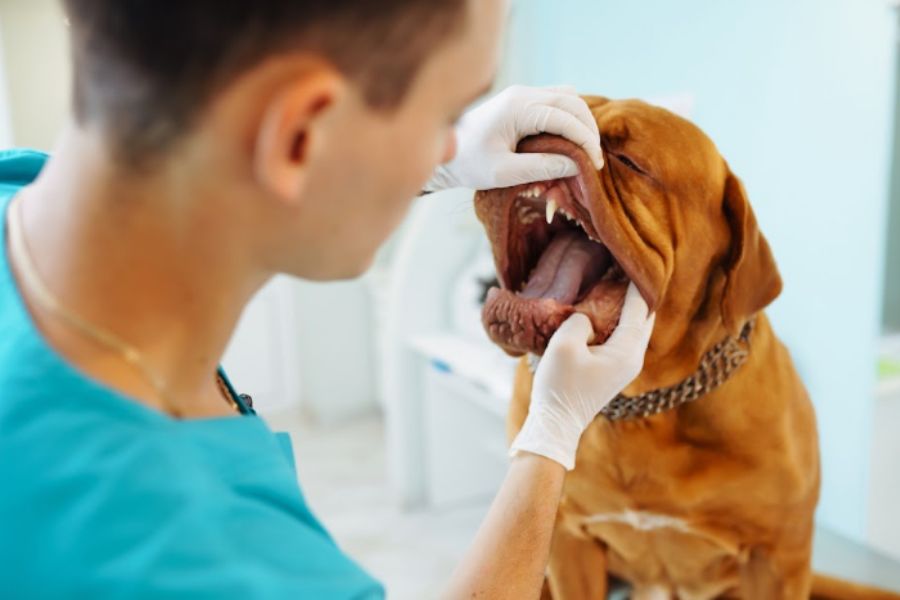
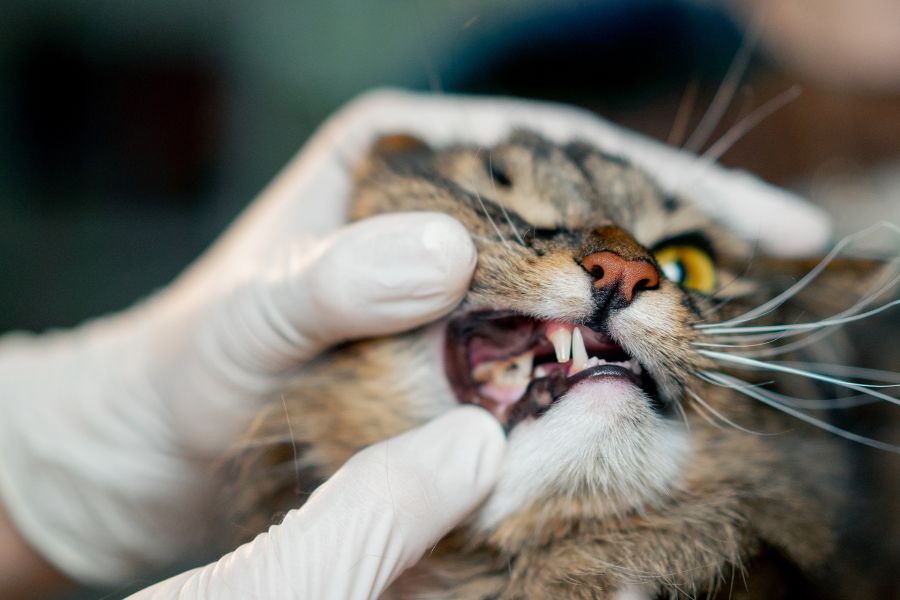
Many pet owners think bad breath is just a normal part of having a dog or cat, but it can actually be a warning sign of deeper health problems. Poor pet dental health does more than affect your pet’s mouth. It may also increase the risk of heart disease, kidney problems, and other serious conditions. In this guide, you’ll learn how dental disease develops, how it may impact your pet’s heart, the signs to watch for, and what veterinarians recommend to keep pets healthy for the long term.
Why Pet Dental Health Matters More Than You Think?
Dental disease is one of the most common health problems seen in pets. By age three, most dogs and cats show some signs of periodontal disease. This condition starts when plaque and bacteria build up on the teeth and along the gums. Over time, the bacteria can move below the gumline and cause inflammation, infection, tooth loss, and pain. In severe cases, those bacteria may enter the bloodstream and affect major organs, including the heart. Good pet dental health is not only about cleaner teeth. It is also an important part of protecting your pet’s overall wellness and quality of life.
How Dental Disease Develops in Pets?
Dental disease usually happens gradually. Many pet owners do not notice the problem until it becomes advanced.
Here’s how it typically progresses:
- Plaque builds up on the teeth after eating.
- Plaque hardens into tartar within days.
- Bacteria irritate the gums and cause gingivitis.
- Infection spreads deeper into the tissues surrounding the teeth.
- Bacteria may enter the bloodstream and travel through the body.
Common causes include:
- Lack of regular dental cleanings
- Poor at-home dental care
- Soft diets that stick to teeth
- Genetics and breed predisposition
- Aging
- Underlying medical conditions
Small dog breeds are especially prone to dental problems because their teeth are crowded into smaller mouths.
Can Poor Dental Health Really Affect the Heart?
Yes, veterinarians and researchers believe there is a connection between severe dental disease and heart problems in pets.
When bacteria from infected gums enter the bloodstream, they can travel to the heart valves and surrounding tissues. This may contribute to inflammation and increase the risk of heart disease over time.
While dental disease does not directly cause every heart condition, chronic oral infections can place additional stress on the cardiovascular system.
What Happens Inside the Body?
Bacteria from periodontal disease can:
- Trigger inflammation throughout the body
- Damage blood vessels
- Affect heart valve function
- Increase strain on the immune system
This is similar to what has been observed in human medicine, where gum disease has been linked to cardiovascular issues.
Pets with untreated dental infections may also experience complications involving the kidneys and liver because these organs help filter bacteria from the bloodstream.
Signs of Dental Disease in Pets
Many pets hide discomfort very well. By the time symptoms become obvious, the disease may already be advanced.
Watch for these warning signs:
- Bad breath
- Yellow or brown tartar buildup
- Red or bleeding gums
- Difficulty chewing
- Dropping food while eating
- Pawing at the mouth
- Loose or missing teeth
- Excessive drooling
- Swelling around the face or jaw
- Loss of appetite
Some pets also become less playful or seem irritable because they are living with chronic oral pain.
Signs That Heart Disease May Be Developing
Heart disease symptoms can appear slowly and may be mistaken for normal aging.
Possible signs include:
- Coughing
- Fatigue
- Reduced exercise tolerance
- Rapid breathing
- Fainting episodes
- Weakness
- Decreased appetite
If your pet has severe dental disease along with any heart-related symptoms, a veterinary exam is especially important.
Which Pets Are at Higher Risk?
Any pet can develop dental disease, but some are more vulnerable.
Higher-risk pets include:
Small Dog Breeds
Breeds like Chihuahuas, Yorkies, and Dachshunds often develop tartar buildup earlier than larger dogs.
Senior Pets
Older pets naturally face more dental wear and gum disease.
Flat-Faced Breeds
Pets with crowded teeth may trap more food and bacteria.
Pets Without Regular Dental Care
Skipping professional cleanings allows plaque and infection to progress over time.
Cats are also affected by dental disease, especially conditions like tooth resorption and gingivitis.
How Veterinarians Diagnose Dental Disease?
A veterinarian can often spot visible signs of dental disease during a physical exam, but many problems hide below the gumline.
A full dental assessment may include:
- Oral examination
- Dental X-rays
- Checking for loose teeth
- Evaluating gum pockets
- Looking for signs of infection
Dental X-rays are especially important because they help identify hidden disease beneath the surface.
Professional Dental Cleaning: What to Expect
Professional dental cleanings are much more thorough than brushing at home.
During a veterinary dental procedure, your pet may receive:
- A complete oral exam
- Scaling to remove tartar above and below the gums
- Polishing of the teeth
- Dental X-rays
- Tooth extractions, if necessary
Anesthesia is typically required so veterinarians can safely clean below the gum line and fully evaluate the mouth.
Many pet owners worry about anesthesia, especially for older pets, but modern monitoring and pre-anesthetic testing help make procedures safer than ever.
How to Protect Your Pet’s Dental Health at Home?
Daily care can make a major difference in preventing dental disease.
Brush Your Pet’s Teeth
Brushing is one of the best ways to reduce plaque buildup.
Tips for success:
- Use pet-safe toothpaste only
- Start slowly with short sessions
- Reward your pet afterward
- Aim for daily brushing
Use Veterinary-Approved Dental Products
Helpful products may include:
- Dental chews
- Water additives
- Prescription dental diets
- Dental wipes
Look for products approved by veterinary dental organizations whenever possible.
Schedule Regular Dental Exams
Routine wellness visits help catch dental problems early before they become painful or expensive to treat.
The Importance of Early Treatment
Treating dental disease early can:
- Reduce pain
- Prevent tooth loss
- Improve appetite
- Reduce bacterial spread
- Support heart and organ health
- Improve overall quality of life
Many pet owners notice their pets seem more energetic and happier after a dental cleaning because chronic pain has been removed.
Common Myths About Pet Dental Health
“Bad Breath Is Normal”
Persistent bad breath is often a sign of infection or gum disease.
“Dry Food Cleans Teeth”
Most dry food does not provide enough abrasion to properly clean teeth.
“My Pet Still Eats Fine, So Their Teeth Must Be Healthy”
Pets often continue eating even when they are in significant pain.
“Dental Care Is Only Cosmetic”
Dental disease is a medical condition that can affect the entire body.
When to Schedule a Veterinary Dental Exam?
You should book an exam if your pet has:
- Chronic bad breath
- Visible tartar buildup
- Bleeding gums
- Trouble eating
- Loose teeth
- Facial swelling
- Changes in behavior
Annual exams are important for all pets, but some pets may benefit from more frequent dental evaluations depending on age and risk factors.
Conclusion
Good pet dental health is about far more than keeping your pet’s smile clean. Untreated dental disease may contribute to serious health concerns, including heart complications and chronic inflammation throughout the body. Preventive care, early treatment, and regular veterinary exams can help your pet live a healthier and more comfortable life. If your pet is showing signs of dental disease or it’s been a while since their last oral exam, contact Family Pet Clinic in Feasterville, PA to schedule a professional dental evaluation and keep your pet healthy from teeth to heart.
FAQs
Q1: Can dental disease really cause heart disease in pets?
Ans: Dental bacteria can enter the bloodstream and may contribute to inflammation that affects the heart and other organs. While not every heart condition is caused by dental disease, oral infections can increase health risks.
Q2: How often should pets get professional dental cleanings?
Ans: Most pets benefit from yearly dental evaluations, but cleaning frequency depends on breed, age, and overall dental condition.
Q3: What is the first sign of dental disease in pets?
Ans: Bad breath is often one of the earliest signs of dental disease, along with red gums and tartar buildup.
Q4: Are dental treats enough to protect pet dental health?
Ans: Dental treats can help reduce plaque, but they should not replace brushing and professional veterinary dental care.
Q5: Is anesthesia necessary for pet dental cleanings?
Ans: Yes, anesthesia allows veterinarians to safely clean below the gumline, take dental X-rays, and fully examine the mouth without causing stress or pain to the pet.