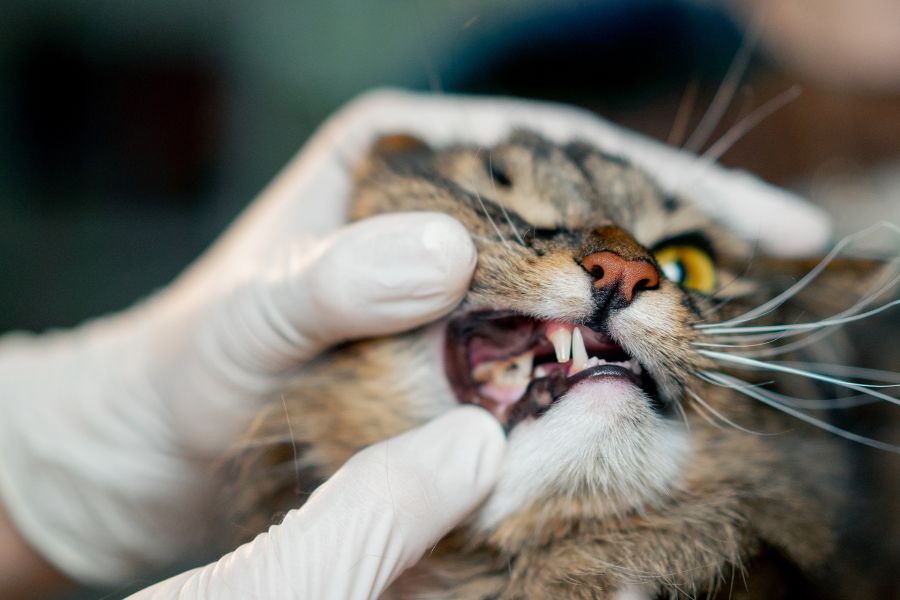
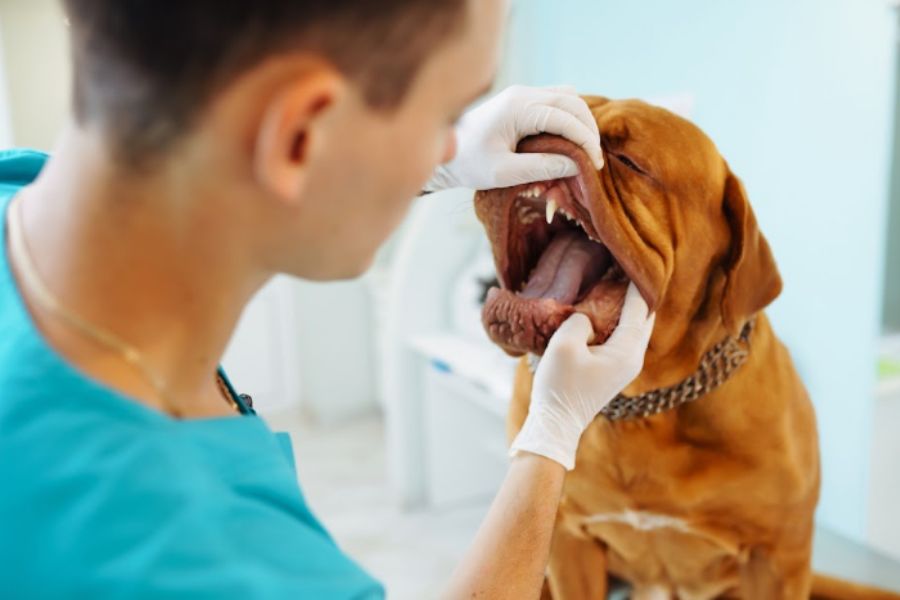
A bright smile is not only important for people. It matters for pets, too. Many pet owners focus on food, exercise, and grooming, yet dental care often receives less attention. Skipping professional cleanings may seem harmless at first.
Over time, small dental problems can grow into painful infections, difficulty eating, and serious health concerns. Plaque buildup, gum irritation, and hidden tooth damage often develop quietly. Pets rarely show clear discomfort until the condition becomes advanced.
Regular dental care helps prevent these issues before they become complicated. A routine cleaning removes buildup that brushing alone may not fully eliminate. It also allows professionals to check for early signs of trouble.
This guide explains why skipping cleanings can be risky, what warning signs to watch for, and how consistent care supports long-term pet dental health. Pet owners in Horsham, PA, often discover that prevention is far easier than treating advanced dental disease.
Why Dental Cleaning Matters
Pets explore the world with their mouths. Chewing toys, eating meals, and licking objects all leave small traces of debris on the teeth. Over time, this buildup forms plaque and hard deposits along the gumline. Without cleaning, these layers continue to grow thicker.
Routine dental cleaning removes these deposits safely. It helps keep gums healthy and prevents irritation that may lead to infection. Healthy gums support strong teeth and comfortable chewing.
Clean teeth also improve a pet’s daily quality of life. Pets with clean mouths tend to eat normally, chew toys without discomfort, and interact more happily with their families. A simple cleaning routine protects both comfort and long-term oral health.
What Happens When Cleanings Are Skipped
Skipping dental cleanings allows plaque and bacteria to remain on the teeth. The buildup becomes harder and spreads beneath the gums. This stage can lead to swelling, bleeding, and gradual tooth damage.
As bacteria continue to grow, the gums may begin to pull away from the teeth. Small pockets can form where infection develops. Pets may experience pain when chewing, even if they do not show it openly.
Bad breath often becomes the first noticeable sign. Many pet owners assume it is normal. Persistent odor often signals deeper dental problems.
Untreated dental issues can also affect other areas of the body. Bacteria from the mouth may travel through the bloodstream and place stress on organs. Preventive cleaning greatly reduces this risk and supports overall wellness.
Signs Your Pet May Need Dental Attention
Pets rarely complain about discomfort. Observing subtle changes helps owners act early. Some common signs include:
- Strong or unusual breath odor
- Red or swollen gums
- Difficulty chewing or dropping food
- Excess drooling
- Pawing at the mouth
- Loss of interest in chew toys
These signs do not always appear at the same time. Even one change may indicate a developing dental problem. Early attention can prevent pain and protect long-term pet dental health.
Real-Life Impact on Daily Comfort
Dental discomfort affects more than the mouth. It can change how pets behave throughout the day. A normally playful dog may become quieter. A curious cat may avoid dry food. These small changes often connect to hidden dental pain.
Eating habits often shift first. Pets may chew on one side of the mouth or eat more slowly. Some pets stop chewing toys they once enjoyed.
Pain inside the mouth can also affect mood. Pets may become irritable or withdrawn. Once dental issues are treated, many owners notice a clear improvement in energy and appetite.
How Regular Dental Care Helps
Consistent dental care supports comfort, health, and longevity. Professional cleanings remove stubborn buildup and allow close examination of the teeth and gums. Small problems can be identified before they become serious.
At home, daily habits help maintain results between appointments. Brushing a pet’s teeth with pet-safe toothpaste helps control plaque. Dental chews and approved toys can also support cleaner teeth.
Regular checkups provide reassurance for pet owners. Knowing that a pet’s mouth is healthy removes uncertainty and allows families to focus on enjoying their time together.
Learn More About Comprehensive Pet Care
Dental care works best as part of a complete wellness approach. Many pet owners appreciate having access to multiple services in one trusted place. Preventive exams, nutrition guidance, diagnostic care, and dental services often work together to keep pets healthy.
If you would like to understand how dental care fits into your pet’s overall wellness plan, visiting the clinic’s website can provide helpful information about available services, appointment options, and resources for pet owners. Exploring these services helps families make informed choices for their pets’ long-term health.
Conclusion
Dental cleaning is more than a cosmetic service. It protects comfort, prevents hidden infections, and supports long-term health. Small preventive steps today can save pets from pain and complicated treatment later. Consistent care allows pets to eat comfortably, play happily, and enjoy daily life without silent dental problems.
We are conveniently located in Horsham, PA, and welcome you to our facility at 278 Easton Rd, Horsham, PA 19044—where compassionate care and community come together for your pet’s well-being. Book an appointment with Family Pet Clinic- Horsham.
Frequently Asked Questions(FAQs):
1. How often should pets receive professional dental cleaning?
A: Most pets benefit from a professional dental cleaning once a year. Some pets may require more frequent care depending on age, breed, diet, and oral health history. Regular checkups help determine the most suitable schedule for each pet.
2. Is bad breath in pets normal?
A: Occasional mild odor may happen after meals. Persistent or strong bad breath often indicates plaque buildup or gum irritation. If the smell continues for several days, a dental examination can help identify the underlying cause.
3. Can dental disease affect a pet’s overall health?
A: Yes. Bacteria from untreated dental infections may enter the bloodstream and place stress on organs. Preventive cleanings reduce this risk and help maintain overall health, energy levels, and appetite in pets.
4. Are there ways to support dental care at home?
A: Yes. Brushing a pet’s teeth with pet-safe toothpaste is one of the most effective habits. Dental treats, chew toys, and routine oral checks can also help control plaque between professional cleanings.
5. Do pets show obvious signs of dental pain?
A: Not always. Many pets hide discomfort. Changes in eating habits, reduced chewing, drooling, or sudden irritability may signal dental pain. Early evaluation prevents the condition from worsening.
6. At what age should pets begin dental care?
A: Dental care can begin early in a pet’s life. Establishing brushing routines and regular dental checks during the first year helps prevent plaque buildup and makes future dental care easier.