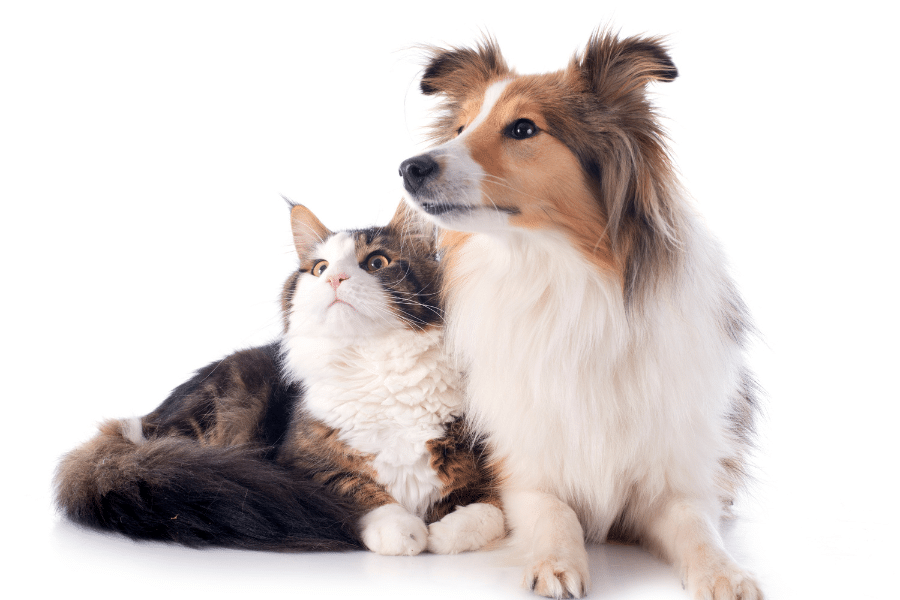
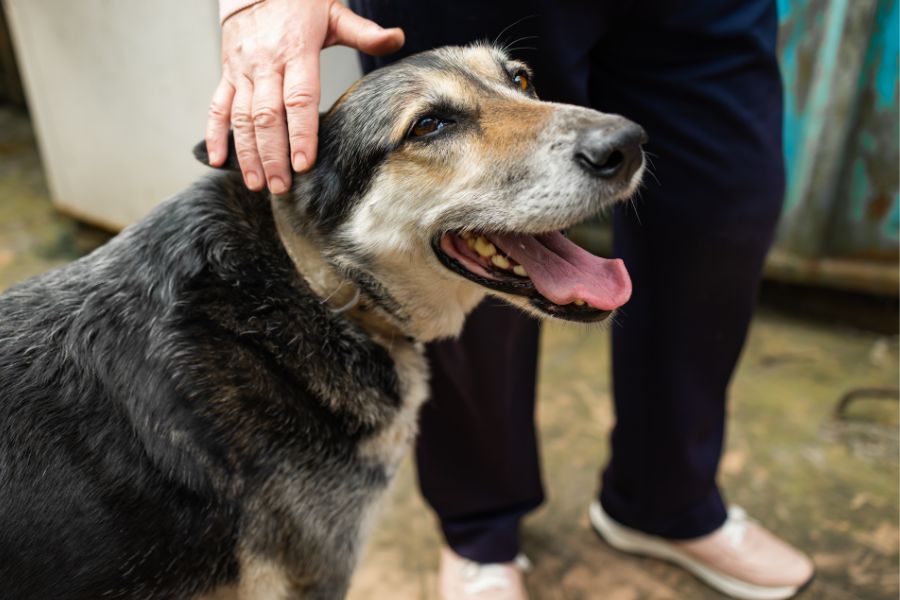
Traveling with a senior pet can be incredibly meaningful, allowing older companions to stay close to their families during vacations or visits. However, because aging pets have unique health and comfort needs, thoughtful planning is essential.
With the right preparation, older pets can enjoy safe, relaxing, and memorable journeys. Although travel may seem stressful at first, a gentle, well-organized approach can make the experience smooth and manageable for aging pets.
Understanding the Needs of Senior Pets
As pets grow older, their bodies undergo natural changes that may impact how well they tolerate travel. Reduced mobility, joint pain, hearing or vision loss, and increased anxiety are common challenges. Furthermore, chronic conditions such as arthritis, heart disease, or kidney issues must be considered before any trip. Therefore, a clear understanding of your pet’s limitations should guide all travel decisions.
Because older pets may hide discomfort, subtle signs such as restlessness, slower movements, or appetite changes should not be ignored. When these factors are acknowledged early, a safer travel plan can be created.
Scheduling a Pre-Travel Veterinary Visit
Before traveling, a veterinarian should be consulted to ensure that the journey is safe. During this visit, your pet’s current health status can be evaluated, medications can be reviewed, and necessary vaccines can be updated. In addition, documentation such as health certificates may be needed depending on the destination or travel method.
It is also helpful to discuss motion sickness, anxiety management, and mobility support during the appointment. A veterinarian may recommend changes to medication timing or provide supplements to support joint comfort and relaxation during travel.
Packing Essentials for Senior Pets
Thoughtful packing plays a major role in keeping senior pets relaxed. Although each pet’s needs vary, several essential items should always be included:
1. Medication & Supplements
All prescribed medications must be packed along with several extra doses in case of delays. Supplements for joint health, digestion, or calming support should also be included.
2. Comfortable Bedding
A soft, cushioned bed helps relieve pressure on aging joints. Familiar blankets or toys can also provide comfort by reducing anxiety in unfamiliar spaces.
3. Food & Water Supplies
Senior pets may experience digestive sensitivity, so their regular diet should be brought along. A portable water bowl, clean water, and their usual treats should also be included.
4. Mobility Aids
Portable ramps, slings, or supportive harnesses can help older pets enter and exit vehicles with ease.
5. Cleaning Essentials
Wipes, pee pads, paper towels, and waste bags should be packed since older pets may need more frequent bathroom breaks.
Making Car Travel Comfortable and Safe
Car travel is often the easiest and safest option for senior pets, but extra steps should be taken to maintain comfort. A crash-tested carrier or harness should always be used to prevent injury from sudden turns or stops. Moreover, a stable seating position with adequate padding helps reduce discomfort.
Temperature control is especially important for older pets, as they are more sensitive to heat and cold. Therefore, proper ventilation and window shades should be used when needed.
Frequent breaks should be planned to allow stretching, bathroom trips, and hydration. Because older pets rely heavily on routine, maintaining regular feeding and medication schedules can help reduce stress during travel.
Managing Anxiety and Motion Sickness
Senior pets may experience anxiety or motion sickness more easily than younger animals. Therefore, calming techniques should be introduced early. Short practice car rides can help pets adjust. Additionally, pheromone sprays, calming wraps, soothing music, or favorite blankets can help create a comforting environment.
When motion sickness is a concern, feeding should be avoided immediately before travel. Instead, a small meal can be offered a few hours before departure. If anxiety or sickness remains severe, medication may be recommended by a veterinarian.
Considerations for Air Travel
Air travel may be more physically demanding for senior pets. Thus, it should only be chosen when necessary. Airline guidelines regarding age, breed, and health restrictions should always be reviewed in advance. Whenever possible, cabin travel is recommended over cargo travel.
A comfortable, well-ventilated carrier should be selected. Absorbent pads, blankets, and familiar scents should be placed inside to reduce stress. Because airports can be overwhelming, keeping older pets calm before boarding is essential.
Choosing Pet-Friendly Accommodations
Once the destination is reached, senior pets require time to adjust to the environment. A quiet, comfortable area should be designated with their bed, food, and water bowls. Additionally, the room should be checked for potential hazards, slippery flooring, or objects that may cause injury.
Routine care should be resumed immediately to help older pets feel secure. Regular meals, bathroom breaks, and rest periods help reduce confusion, especially for pets with hearing or vision loss. Hydration should be monitored closely, particularly in warm climates.
Identification tags, microchips, and GPS collars provide extra protection when staying in unfamiliar places.
Traveling with a senior pet can be a heartwarming experience when the right steps are taken. Their comfort, safety, and emotional well-being should always be prioritized. With proper preparation, supportive travel gear, and attentive care, senior pets can enjoy new environments while staying close to their families. Ultimately, thoughtful planning ensures that every trip becomes a safe, meaningful, and memorable journey for older companions.
For additional guidance and personalized support, valuable information about senior wellness services can be explored through resources that focus on senior pet care in Feasterville, helping pet owners prepare confidently before traveling.